
Artificial Intelligence (AI) has quickly become one of the most useful technologies in today’s digital world. What once seemed like a futuristic concept is now helping people write content, analyze data, design graphics, edit videos, write code, manage projects, and improve customer service. Whether you’re a student, freelancer, entrepreneur, marketer, software developer, or business owner, AI tools can simplify your daily work and help you accomplish more in less time.
One of the biggest advantages of AI tools is that they make advanced technology accessible to everyone. You no longer need to be a programmer or data scientist to benefit from AI. Many modern AI platforms are designed with user-friendly interfaces that allow beginners to complete tasks quickly while offering advanced features for experienced professionals. As more industries adopt AI, learning how to choose and use the right tools has become an important skill. Instead of replacing human creativity and expertise, AI works best as an assistant that helps users automate repetitive tasks, generate ideas, organize information, and make better decisions.
What Are AI Tools?

AI tools are software applications that use artificial intelligence to perform tasks that normally require human intelligence. They can understand language, recognize images, analyze information, generate content, answer questions, automate workflows, and provide useful recommendations.
Unlike traditional software that follows fixed instructions, AI tools learn from data and improve their responses over time. This allows them to handle a wide range of tasks more efficiently. Today, AI tools are used extensively in education, healthcare, finance, marketing, software development, customer support, design, and many other global industries.
Why AI Tools Are Becoming So Popular
The growing popularity of AI tools is largely due to their ability to save time and improve daily productivity. Instead of spending hours completing repetitive work, users can automate routine tasks and focus on activities that require creativity, strategic thinking, or personal interaction.
Businesses use AI to improve customer experiences, analyze large datasets, create marketing campaigns, and streamline operations. Students use AI to summarize information and support learning, while professionals rely on AI to increase efficiency and reduce manual work. The widespread accessibility of cloud-based AI platforms has also made these tools available to individuals and organizations of all sizes.
AI Writing and Content Creation Tools
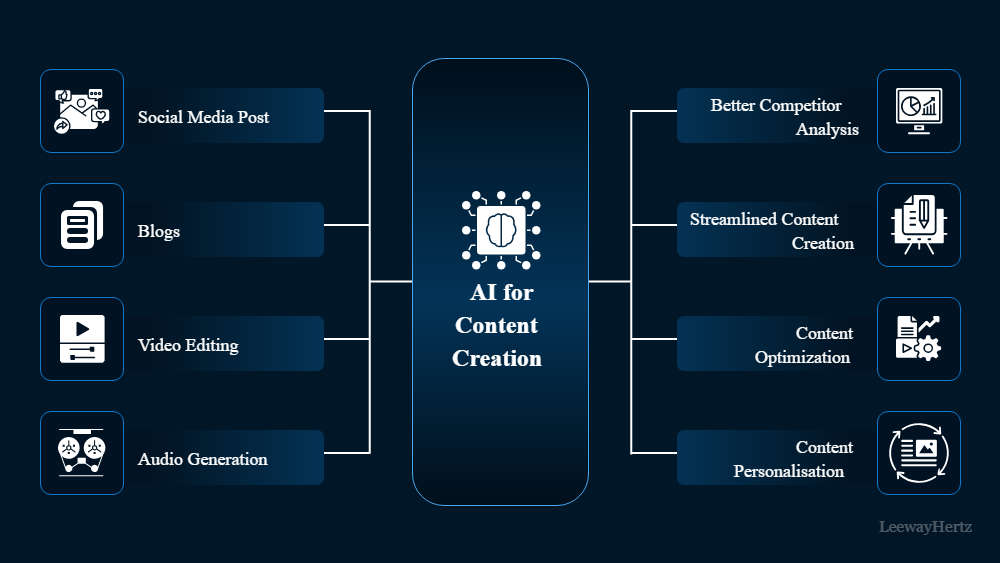
Writing assistants are among the most widely used AI tools today. They help users generate ideas, draft articles, improve grammar, rewrite text, summarize documents, and create marketing content.
Content creators, bloggers, marketers, students, and business professionals use these tools to speed up the writing process while maintaining quality. Although AI can produce useful drafts, human editing remains essential to ensure accuracy, originality, and the appropriate tone for the intended audience.
AI Design and Image Generation Tools
Designers and content creators increasingly rely on AI to simplify creative work. AI-powered design tools help generate images, create presentations, remove backgrounds, edit photos, and suggest design layouts.
These tools reduce the time required for repetitive editing tasks while allowing creators to focus on developing strong visual concepts. Professional designers often combine AI assistance with their own creativity to produce unique and polished results.
AI Tools for Software Development
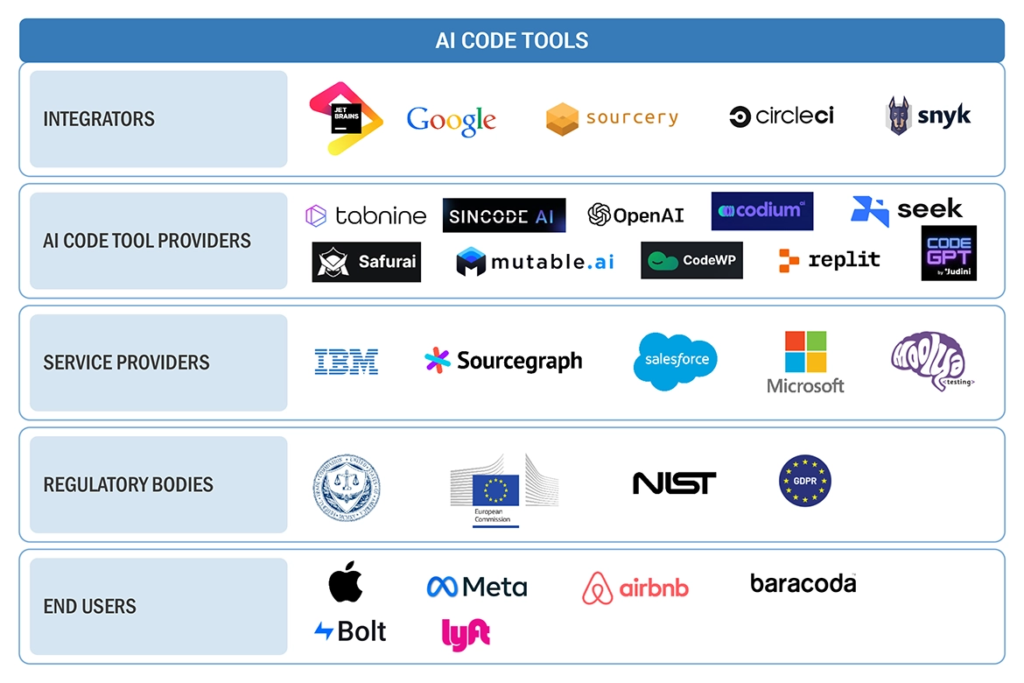
Developers use AI coding assistants to improve productivity throughout the software development process. AI can suggest code, explain programming concepts, identify bugs, generate documentation, and help developers learn new programming languages.
Rather than replacing software engineers, these tools reduce repetitive coding tasks and support faster problem-solving. Many programming teams now integrate AI directly into their daily development workflows.
AI Productivity and Workflow Tools
AI is making workplace productivity more efficient than ever. Modern productivity platforms can summarize meetings, organize schedules, prioritize tasks, automate emails, generate reports, and assist with project management.
Businesses use AI-powered workflow tools to improve collaboration, reduce manual effort, and streamline communication between teams. These features help employees focus on meaningful work instead of repetitive administrative tasks.
AI Tools for Marketing
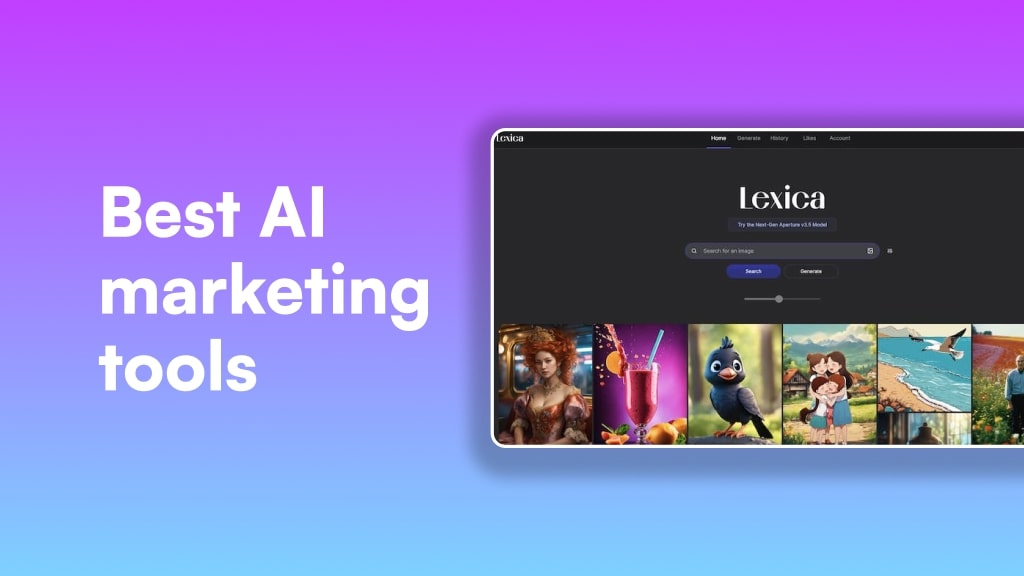
Digital marketing has changed significantly with the growth of AI. Marketing professionals use AI to analyze customer behavior, create personalized campaigns, generate advertising content, optimize search engine performance, and manage social media more efficiently.
AI can also identify marketing trends, recommend keywords, and provide valuable insights that support data-driven decision-making. While AI improves efficiency, successful marketing still depends on understanding customer needs and building authentic relationships.
AI in Customer Support
Many businesses now use AI-powered chatbots and virtual assistants to improve customer service. These tools answer common questions, provide product information, track orders, schedule appointments, and offer support around the clock.
Human customer service teams continue handling complex situations, while AI manages routine inquiries quickly and consistently. This combination improves customer satisfaction and reduces response times.
Choosing the Right AI Tool
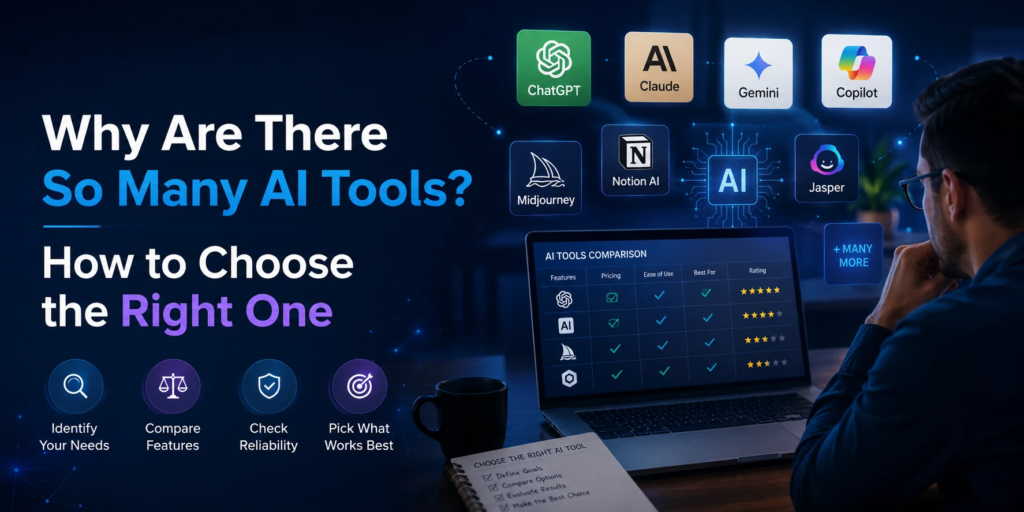
With so many AI platforms available, selecting the right one depends on your specific operational goals. Before choosing a tool, consider the following factors:
- Ease of use and dashboard interface
- Features and capabilities tailored to your niche
- Integration with existing software ecosystems
- Data security and robust user privacy protections
- Pricing models and subscription plans
- Customer support availability and future scalability
Testing free versions or trial periods is an excellent way to evaluate whether a tool meets your requirements.
Tips for Beginners
If you’re new to AI, start with one tool that solves a specific problem. Take time to explore its features, read tutorials, and practice using it in everyday tasks.
Remember that AI works best when given clear, detailed instructions. Learning how to write effective prompts can significantly improve the quality of AI-generated results. Always review and verify AI outputs before using them for important work. The more you experiment, the more confident and skilled you’ll become.
Best Practices for Professionals

Experienced users often combine multiple AI tools to create highly efficient workflows. For example, a marketing team might use one AI platform for research, another for writing, and a third for graphic design.
Professionals should regularly update their knowledge as AI technology evolves rapidly. Maintaining human oversight, protecting sensitive data, and following ethical guidelines are essential when using AI in professional environments. AI should support expertise—not replace thoughtful decision-making.
Challenges of Using AI Tools
Although AI tools offer many advantages, they also have distinct limitations. AI-generated information may occasionally contain errors or outdated content. Some tools may struggle with highly specialized topics or lack important context.
Privacy and data security are also critical considerations, particularly when working with confidential corporate information. Users should treat AI as a helpful assistant rather than a source of unquestionable answers. Human review remains essential for maintaining quality and accuracy.
Future Trends in AI Tools

The future of AI tools looks increasingly exciting. Generative AI will continue improving text, image, video, and audio creation. Personal AI assistants will become more capable of managing schedules, organizing information, and supporting daily decision-making.
Businesses will invest more heavily in AI-powered automation, predictive analytics, and personalized customer experiences. As AI becomes more integrated into everyday work, digital literacy and responsible AI use will become valuable, necessary skills across every industry.
FAQs
What are AI tools?
AI tools are software applications that use artificial intelligence to perform tasks such as writing, coding, designing, analyzing data, automating workflows, and assisting with customer support.
2. Are AI tools suitable for beginners?
Yes. Many AI tools are designed with simple interfaces, tutorials, and easy-to-use features, making them accessible for beginners while still offering advanced capabilities for professionals.
3. Which industries use AI tools?
AI tools are widely used in marketing, education, healthcare, finance, software development, customer service, design, content creation, and business operations.
4. Can AI tools replace human workers?
AI tools are designed to assist people by automating repetitive tasks and improving productivity. Human creativity, judgment, and decision-making remain essential.