
Artificial Intelligence (AI) is no longer a futuristic concept confined to tech conferences or science fiction cinema. In 2026, AI has quietly woven itself into the fabric of our daily routines, operating seamlessly in the background to make everyday tasks faster, smarter, and significantly more convenient. Whether you are unlocking your smartphone via biometric facial recognition, instructing a virtual assistant to organize your calendar, browsing through highly tailored streaming recommendations, or buying groceries online, you are interacting with complex AI ecosystems without even realizing it.
Over the past half-decade, this technology has undergone a massive evolution, shifting from an experimental, specialized computing framework into an accessible, practical utility utilized by billions globally. Corporate enterprises rely on AI to revolutionize customer care pipelines, medical professionals leverage its analytical power to diagnose complex conditions, educators deploy it to customize learning speeds, and everyday individuals use AI-driven applications to draft communications, manage chaotic schedules, edit multimedia, and plan travel itineraries.
The underlying catalyst behind this global adoption curve is simple: AI saves precious time and amplifies human productivity. Rather than executing a hostile takeover of human roles, modern AI functions as a collaborative partner designed to lift the burden of repetitive tasks, process massive quantities of unstructured data, and offer predictive insights. As the underlying algorithms mature, AI is fundamentally rewiring how humanity lives, works, communicates, and navigates critical choices. This comprehensive manual details the real-world impact of AI in 2026, exploring its structural benefits, ethical bottlenecks, and future path.
Understanding the Mechanics: What Is Artificial Intelligence?
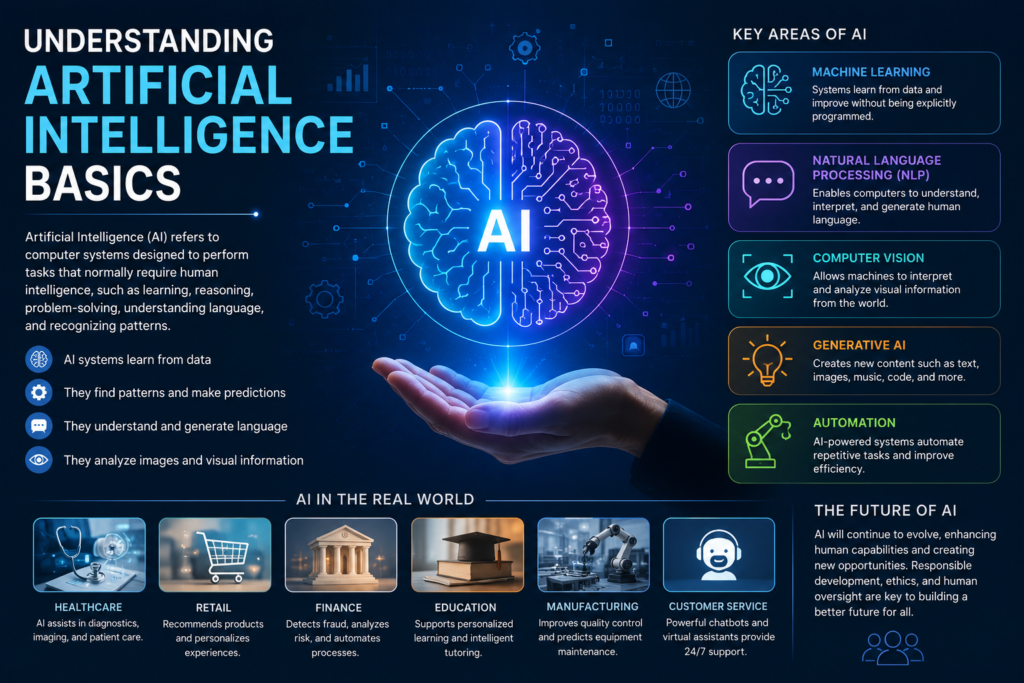
At its core, Artificial Intelligence describes computer architectures engineered to mimic cognitive functions traditionally associated exclusively with human intelligence. These expansive capabilities encompass natural language processing, visual pattern recognition, automated machine learning, complex problem-solving, predictive modeling, and context-aware conversational responses.
Unlike legacy software systems that operate strictly within rigid, hard-coded rules, contemporary AI architectures utilize advanced neural networks and machine learning models. This means they can digest massive datasets, extract hidden trends, and dynamically self-correct their algorithmic frameworks over time. This unique ability to learn autonomously ensures that the technology grows increasingly precise, contextual, and valuable the more data it manages.
Today, the vast majority of consumer-facing digital platforms integrate AI directly into their core codebases. This infrastructure allows companies to provide hyper-personalized consumer experiences at lightning speeds, eliminating technical friction so users can reap the rewards without needing a degree in computer science.
The Pocket Assistant: AI in Smartphones and Personal Devices
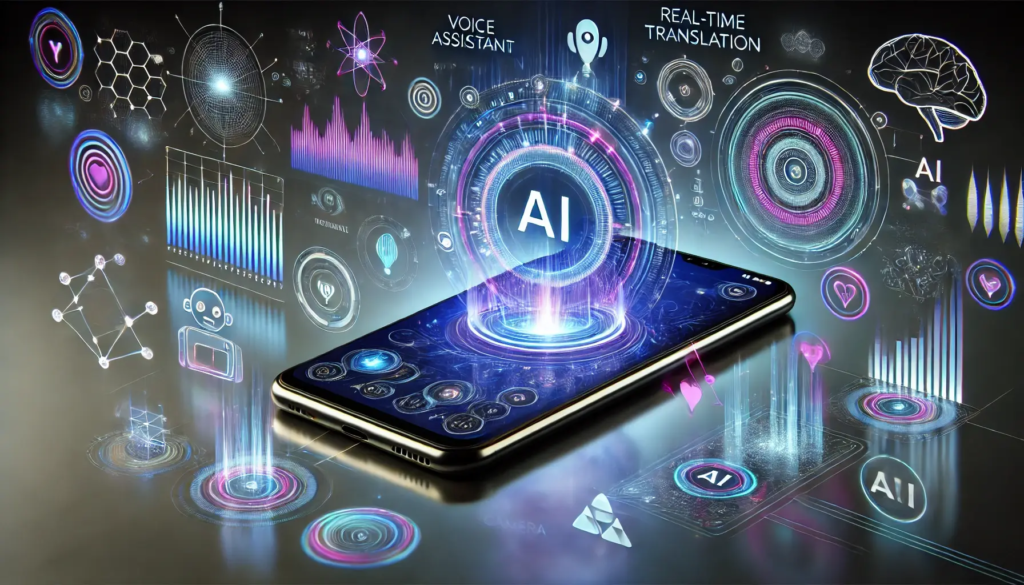
The most immediate, intimate interaction the average person has with artificial intelligence happens right on their smartphone. Modern mobile chipsets are manufactured with dedicated neural processing units (NPUs) that handle heavy AI workloads locally on the device, optimizing performance while keeping user data secure.
In photography, AI acts as an invisible digital darkroom. When you snap a picture, the device instantly evaluates lighting conditions, balances complex exposures, separates subjects from backgrounds, and reduces digital noise within milliseconds. Furthermore, AI safeguards device security through adaptive biometric processing, ensuring that facial recognition and fingerprint scanning adjust to changes in your physical appearance or aging. Predictive text engines have also graduated from basic autocorrect to context-aware systems that anticipate your next entire sentence, matching your unique linguistic style.
Simultaneously, virtual assistants have transitioned from simple voice-command triggers into deeply contextual companions. They can now manage multi-step requests, filter spam calls with voice-cloning detection, translate foreign languages fluidly mid-conversation, and predict battery preservation strategies based on your daily movement patterns. These small automated features combine to eliminate friction from our daily micro-tasks.
Retail Revolution: AI Is Changing the Way We Shop

The global e-commerce landscape has experienced a monumental paradigm shift driven by predictive intelligence. The days of generic online storefronts are gone; shopping portals in 2026 operate as highly tailored personal boutiques for every unique consumer.
By tracking real-time user click-paths, historical purchasing patterns, social trends, and localized weather data, AI recommendation matrices populate digital storefronts with items that precisely align with an individual’s current desires. Behind the scenes, these tools allow retail operations to accurately forecast localized inventory needs, preventing overstocking while optimizing logistics networks to ensure rapid delivery turnarounds.
For consumer interaction, business landscapes deploy conversational AI chatbots capable of resolving complex order disputes, processing return labels, and explaining product specifications without human intervention. These systems offer immediate support around the clock, successfully mitigating customer frustration and creating a fluid, frictionless marketplace ecosystem.
Digital Diagnostics: AI in Healthcare

Few sectors demonstrate the life-saving potential of artificial intelligence quite like modern medicine. In healthcare settings, AI acts as an extra, hyper-vigilant set of eyes for clinical staff, processing data at volumes no human brain could manage solo.
Radiologists and oncologists routinely deploy deep-learning models to screen medical imagery, including X-rays, MRIs, and CT scans. These models can flag microscopic anomalies, early-stage tumors, and cardiovascular warning signs with incredible accuracy, drastically accelerating early intervention windows. Hospital administrators also use predictive scheduling models to anticipate emergency room traffic, optimize nurse-to-patient ratios, and streamline supply chains for vital pharmaceuticals.
On a consumer level, health tracking has achieved unprecedented medical relevance through smart wearables. The advanced sensors on smartwatches use AI to track heart rate variability, detect irregular atrial fibrillation patterns, analyze sleep cycles, and monitor blood oxygen trends. If a metric drops outside healthy baselines, these devices offer preventive guidance, prompting users to consult medical experts before minor health anomalies escalate into emergencies.
Tailored Knowledge: AI in Education
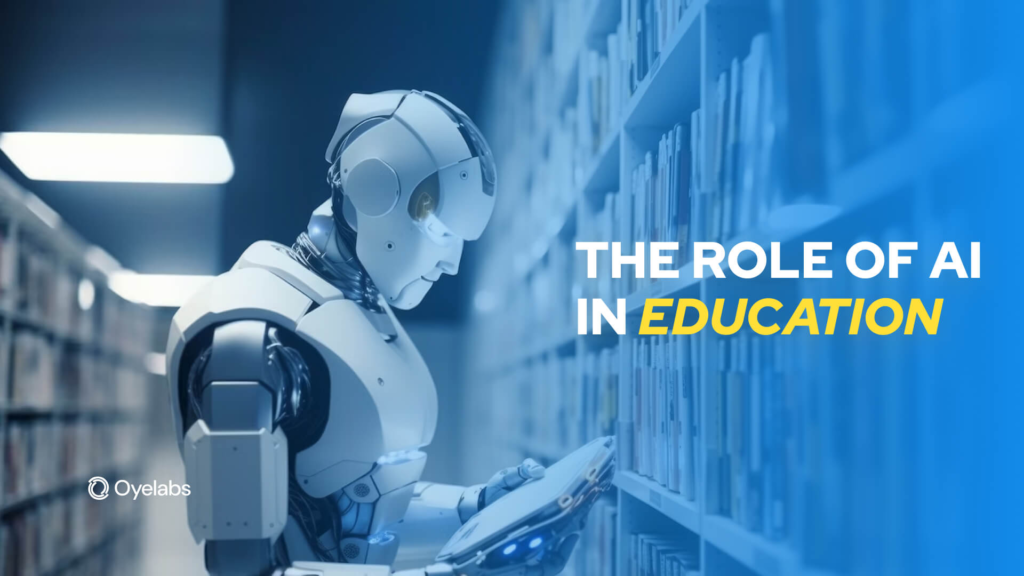
The traditional, one-size-fits-all model of classroom learning is rapidly giving way to dynamic, flexible educational models powered by specialized AI learning engines.
Modern educational software treats every student as a unique individual, dynamically adjusting curriculum difficulty, text styles, and exercise speeds based on real-time comprehension metrics. If a student struggles with a specific algebraic concept, the AI tutor immediately identifies the underlying cognitive gap, generating custom explanations, step-by-step visual breakdowns, and targeted quizzes to reinforce learning.
[Traditional Education] ---> Fixed Pace ---> Single Curriculum ---> Static Assessments
[AI-Enabled Education]  ---> Adaptive Pace ---> Personalized Content ---> Continuous Feedback
For educators, these tools serve as powerful teaching assistants. AI automates time-consuming administrative work like grading objective assignments, tracking student attendance, and generating syllabus templates. This frees up instructors to focus their energy on direct mentorship, social-emotional development, and targeted small-group coaching for students who need human guidance the most.
Fortifying Assets: AI in Banking and Finance
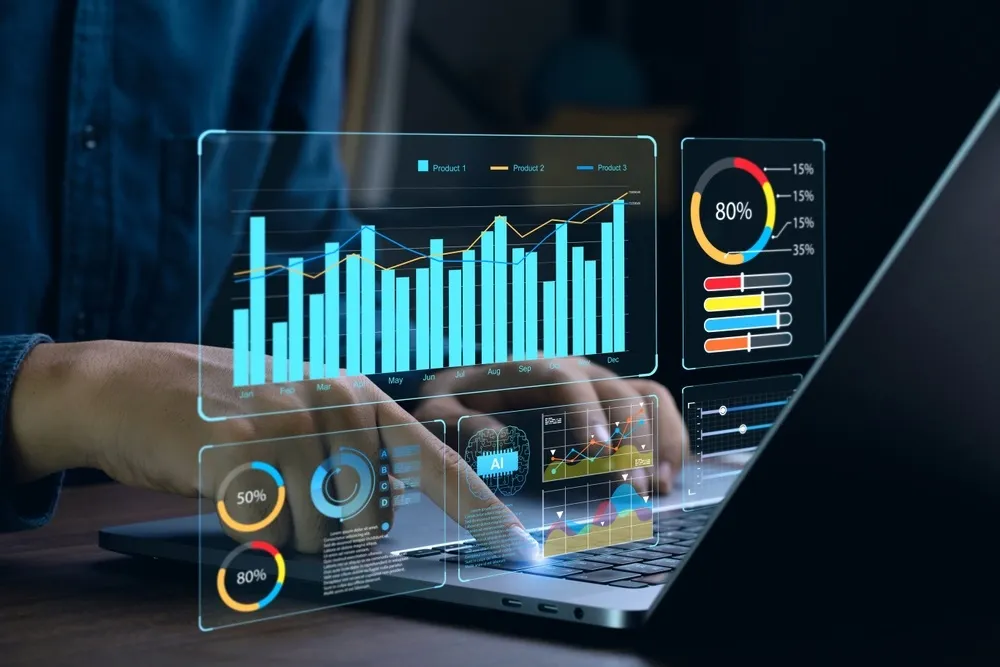
Financial ecosystems require absolute precision and rapid processing speeds—environments where machine learning excels. Banking institutions employ highly sophisticated AI frameworks to safeguard personal wealth and streamline global asset transactions.
Fraud detection networks monitor global financial transactions concurrently. By establishing a behavioral baseline of a consumer’s typical spending habits, localized geographic points, and purchase frequencies, the AI can flag and halt suspicious transactions instantly, often contacting the cardholder before an unauthorized purchase settles.
                       +-------------------------+
                       |   Incoming Transaction  |
                       +------------+------------+
                                    |
                                    v
                  +-----------------------------------+
                  |  AI Fraud Engine Risk Assessment  |
                  +-----------------+-----------------+
                                    |
                +-------------------+-------------------+
                |                                       |
                v                                       v
     [Low Risk: Approved]                    [High Risk: Flagged]
                |                                       |
                v                                       v
  Transaction processed normally              Card temporarily frozen;
                                              User alert dispatched
Furthermore, retail banking applications leverage conversational AI assistants to help everyday account holders categorize monthly spending, track subscription leaks, and set realistic savings targets. On a macro scale, algorithmic investment engines process shifting market indicators, geopolitical updates, and corporate filings to assist wealth managers in designing resilient, diversified investment portfolios.
Smarter transits: AI in Transportation
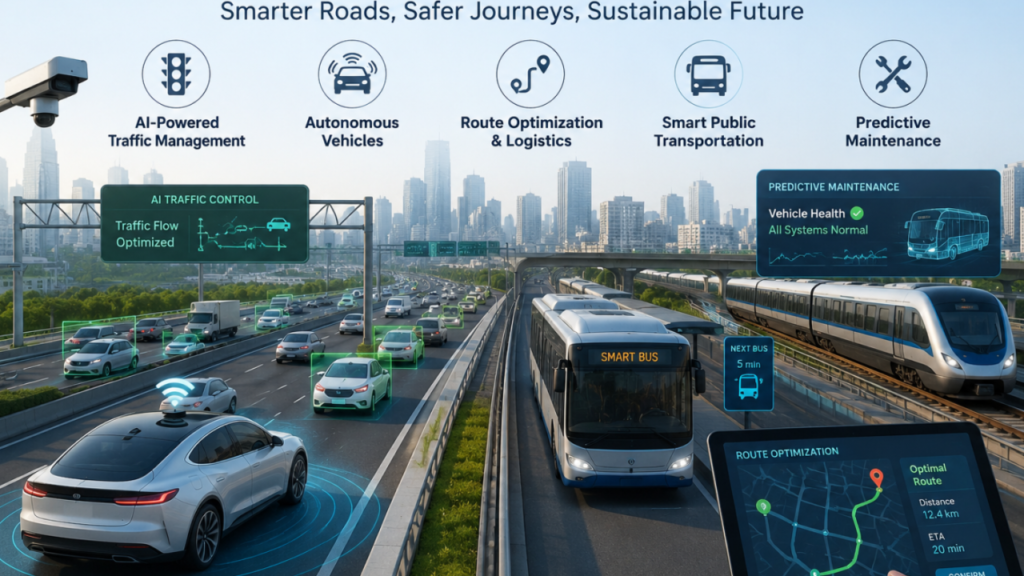
The methods we use to commute, travel, and transport physical goods are undergoing an intelligent overhaul, driven by systems designed to minimize congestion, reduce emissions, and maximize safety.
Popular navigation systems no longer rely on historic traffic data; they actively process live telemetry from millions of connected cars, construction databases, and weather sensors to reroute drivers away from gridlock before they even encounter it. Ride-hailing platforms utilize matching algorithms to position drivers in high-demand zones ahead of time, shortening wait times and stabilizing transit costs.
Concurrently, the automotive sector has achieved massive breakthroughs in Advanced Driver Assistance Systems (ADAS). Features like automated lane-keeping, adaptive cruise control, automated emergency braking, and blind-spot monitoring rely on real-time computer vision to establish a protective safety shield around vehicles, drastically lowering human-error collisions as the industry edges closer to safe, autonomous transit.
The Autonomous Household: AI at Home

The concept of a smart home has matured past basic voice-activated lightbulbs. In 2026, the modern residential home operates as an integrated ecosystem that intuitively responds to the habits of its occupants.
Centralized smart home hubs communicate directly with appliances, climates controls, and security perimeters. Advanced thermostats learn your daily routine, cooling the home right before you return from work and scaling down energy consumption when the house is empty, which drives down monthly utility bills. Home security cameras use edge-based AI to differentiate between a family pet, a delivery driver dropping off a package, or an unfamiliar trespasser, delivering highly accurate, contextual alerts to homeowners’ devices. This careful harmony of automation simplifies property management while elevating peace of mind.
Personalized Leisure: AI in Entertainment

The media we consume and the ways we relax are deeply influenced by algorithmic personalization models, transforming entertainment into an interactive experience.
Major streaming networks leverage massive deep-learning recommendation engines to curate personalized content feeds unique to every profile. These models analyze nuanced attributes within content—such as cinematography styles, thematic pacing, and audio tracks—to suggest movies, music, and podcasts that perfectly align with your current mood.
+-------------------------------------------------------------------------+
|                       AI ENTERTAINMENT MATRIX                           |
+----------------------------+--------------------------------------------+
| Media Streaming            | Curates hyper-personalized feeds           |
| Content Creation           | Automates subtitle and translation generation |
| Video Game Design          | Powers non-player character (NPC) logic    |
+----------------------------+--------------------------------------------+
For content creators, AI tools handle tedious backend production work, including generating precise multi-language subtitles, cleaning background audio tracks, and compiling video highlights. In the gaming universe, AI drives non-player character (NPC) behavioral logic, allowing virtual opponents to adapt dynamically to a player’s strategy, creating immersive, unpredictably rich gaming worlds.
Operational Efficiency: AI in the Workplace
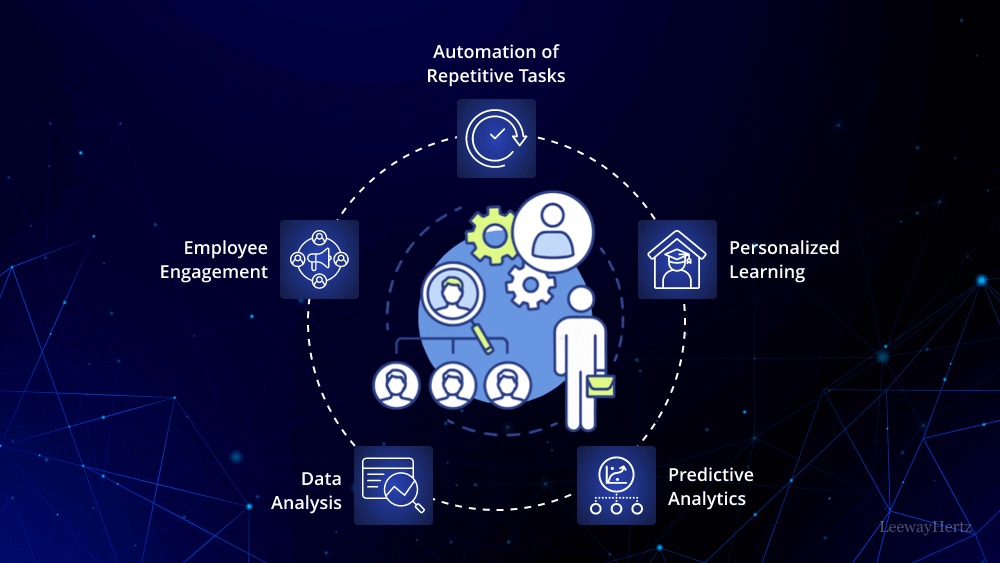
Modern office environments have embraced artificial intelligence as the ultimate tool for corporate productivity, altering how teams collaborate and manage workflows.
Knowledge workers utilize enterprise AI systems to summarize lengthy corporate meetings, draft email replies, organize complex schedules, and cross-reference research documents. By offloading repetitive administrative tasks to AI assistants, human workers can dedicate their focus to high-value priorities requiring critical thinking, creative design, emotional intelligence, and strategic vision.
Marketing teams rely on analytical AI to parse shifting consumer sentiment trends across digital landscapes, while customer success divisions implement smart ticket-routing applications to resolve client issues with unprecedented speed. Rather than displacing the workforce, AI acts as a reliable digital co-pilot that helps teams perform at their peak.
Structural Advantages: Benefits of AI in Daily Life
The widespread adoption of artificial intelligence delivers clear, undeniable improvements to human society when managed effectively.
- Unparalleled Time Optimization: Automating tedious, repetitive micro-tasks grants individuals more time to focus on family, health, and passion projects.
- Rapid Information Access: AI synthesizes vast storehouses of knowledge instantly, offering concise answers to complex inquiries without endless web search sorting.
- Elevated Equity and Accessibility: Voice-to-text tools, automated real-time translation, and screen-reading image descriptions break down historical barriers for individuals with physical or cognitive disabilities.
- Data-Driven Precision: From medical diagnostics to personal financial tracking, machine processing minimizes human oversights and calculates highly accurate outcomes.
Ethical Guardrails: Challenges and Responsible AI Use
Despite the immense benefits, the proliferation of AI demands rigorous scrutiny, proactive governance, and continuous human oversight to prevent systemic harms.
                   CHALLENGES OF MODERN AI
                              │
         ┌────────────────────┼────────────────────┐
         ▼                    ▼                    ▼
┌─────────────────┐  ┌─────────────────┐  ┌─────────────────┐
│ Data Privacy &  │  │ Algorithmic     │  │ Hallucinations  │
│ Security Risks  │  │ Bias & Fairness │  │ & Verification  │
└─────────────────┘  └─────────────────┘  └─────────────────┘
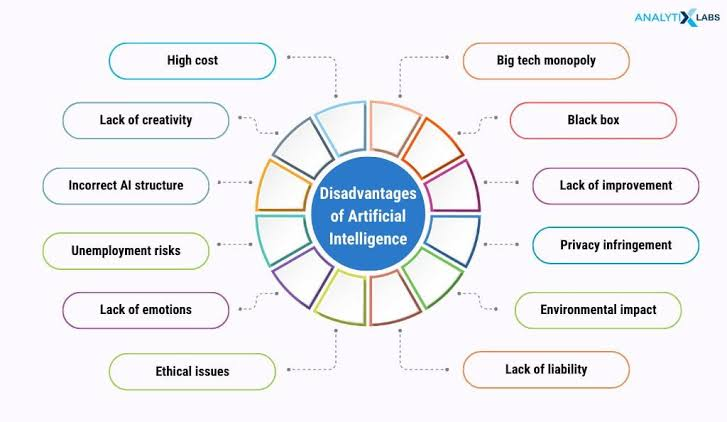
Protecting user privacy is a paramount concern. Because AI models require extensive datasets to learn, organizations must implement stringent data-encryption protocols and transparent data-use policies to ensure consumer info is never exploited. Additionally, developers must systematically audit training sets to prevent algorithmic bias, ensuring systems remain fair and equitable across diverse populations.
Finally, users must remain aware of AI “hallucinations”—instances where models generate inaccurate data with high confidence. Critical human evaluation remains an essential safety net for verifying AI outputs.
The Road Ahead: The Future of AI

Looking toward the horizon, artificial intelligence will undoubtedly unlock even deeper layers of capability, shifting from a reactive tool into a proactive lifestyle partner.
Future iterations will deliver highly contextual, fluidly conversational interfaces that understand nuance, emotion, and situational context. We will see AI catalyze historic breakthroughs in scientific research, such as mapping molecular chemistry for rapid drug discovery and modeling climate change remedies. As these technologies expand, the global job market will experience a growing demand for human professionals who possess strong digital literacy, sharp critical thinking, creative adaptability, and sound ethical decision-making skills. The future is not a competitive race between humanity and machines; it is an era defined by effective, symbiotic collaboration.
Embracing the Co-Pilot Era

Artificial Intelligence has fundamentally reshaped the landscape of modern human civilization. By streamlining smartphones, optimizing retail, securing finances, and advancing healthcare, AI helps humanity work smarter, navigate challenges effectively, and enjoy enriched lifestyle experiences.
The ultimate metric of AI’s success does not lie in its ability to replicate human behavior, but in how effectively it augments, supports, and elevates human potential. By approaching these tools with a balanced perspective—embracing technological innovation while remaining vigilant about ethical safeguards—society can confidently leverage the benefits of AI while navigating its challenges. The deeper our collective understanding of AI is today, the better equipped we will be to harness its power safely, wisely, and creatively for generations to come.
FAQs
1. What is AI in daily life?
AI in daily life refers to the use of artificial intelligence in everyday technologies such as smartphones, smart home devices, navigation apps, online shopping, streaming platforms, banking services, healthcare, and education.
2. How does AI make everyday life easier?
AI automates routine tasks, provides personalized recommendations, improves security, saves time, enhances productivity, and helps people make informed decisions.
3. Where is AI commonly used?
AI is widely used in healthcare, education, transportation, finance, retail, entertainment, customer service, smart homes, and workplace productivity tools.
4. Is AI replacing human jobs?
AI is changing how people work by automating repetitive tasks, but it also creates new opportunities. In many workplaces, AI supports employees rather than replacing them.