
Artificial intelligence has fundamentally transformed how visual ideas move from initial concepts to polished, high-resolution outputs. In recent years, creative workflows have shifted from slow, manual pixel manipulation to intuitive, prompt-driven design systems. Rather than replacing human artistry, modern AI tools act as powerful co-creators that handle repetitive production tasks, automate tedious background removals, generate alternative layouts, and accelerate ideation. This technological shift empowers both seasoned creative directors and complete beginners to produce studio-quality visuals in minutes rather than days.
By integrating machine learning algorithms trained on massive design datasets, today’s graphic design platforms understand context, typography pairing, spatial balance, and color theory. Whether you are generating custom vector assets, building complex user interfaces, or crafting multi-platform marketing campaigns, AI-driven creative platforms eliminate friction points across the entire design pipeline. Embracing these smart tools is no longer just a luxury for early adopters—it has become a foundational requirement for staying competitive in a fast-moving digital landscape.
Why AI Graphic Design Tools Are Essential Today
In an era where digital content demands are at an all-time high, maintaining a consistent and engaging visual presence across dozens of channels can quickly overwhelm creative teams. AI graphic design tools solve this scaling challenge by drastically reducing production time without compromising artistic quality. Businesses can instantly generate resized social media banners, localized ad variations, and interactive presentation decks with unprecedented speed and precision.
Beyond sheer speed, these intelligent platforms level the playing field for small businesses, entrepreneurs, and solo content creators who lack formal design training. By utilizing smart automated layout suggestions and real-time brand compliance checks, anyone can create cohesive, visually compelling assets that resonate with target audiences. For dedicated design teams, delegating routine tasks like image expansion, background removal, and asset slicing to AI unlocks precious mental bandwidth, allowing designers to focus on higher-level creative strategy and brand story development.
1. Canva AI: Accessible Design for Everyone
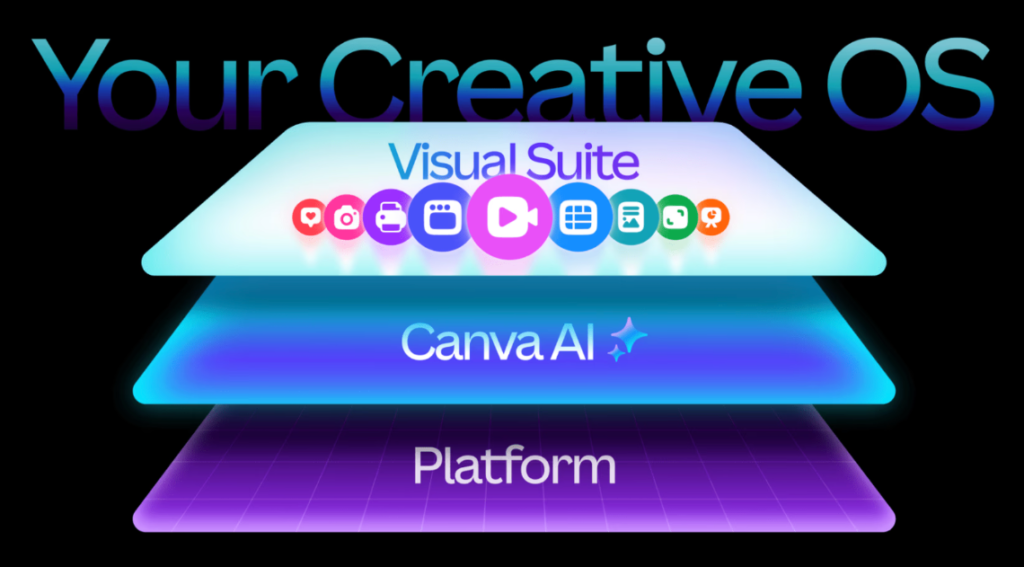
Canva AI has solidified its status as the go-to design platform for creators seeking a seamless blend of simplicity and advanced artificial intelligence. Through its Magic Studio suite, users can effortlessly generate complete presentation decks, write copy, erase unwanted background elements, and transform text descriptions into custom images or videos. The platform’s intuitive drag-and-drop interface removes technical barriers, making professional graphic creation reachable for non-designers while offering rich functionality for established teams.
For marketers, small business owners, and educators needing fast turnaround times, Canva AI serves as a versatile creative workspace. With millions of pre-made templates, brand kit synchronization, and real-time collaborative editing, team members can co-create branded collateral without worrying about formatting inconsistencies. It excels as an all-in-one visual communication tool that streamlines daily content production across print, digital, and social formats.
2. Adobe Firefly: Professional Generative Power
Adobe Firefly represents the gold standard for commercially safe, professional-grade generative AI in visual arts. Built specifically to integrate into creative industry pipelines, Firefly powers flagship Adobe Creative Cloud applications like Photoshop, Illustrator, and Express with features like Generative Fill, Generative Recolor, and Text-to-Vector graphics. Because it was trained on licensed Adobe Stock images and public domain content, Firefly offers businesses commercially safe asset generation with complete peace of mind regarding copyright integrity.
For professional graphic artists and commercial illustrators, Firefly acts as a natural extension of their existing habits. Designers can expand canvas boundaries seamlessly, swap out complex background scenes with simple text prompts, and generate editable vector objects directly within Illustrator. This tight software integration makes Firefly an indispensable creative engine for high-end branding, commercial advertising, and enterprise asset creation.
3. Microsoft Designer: Rapid Visual Creation
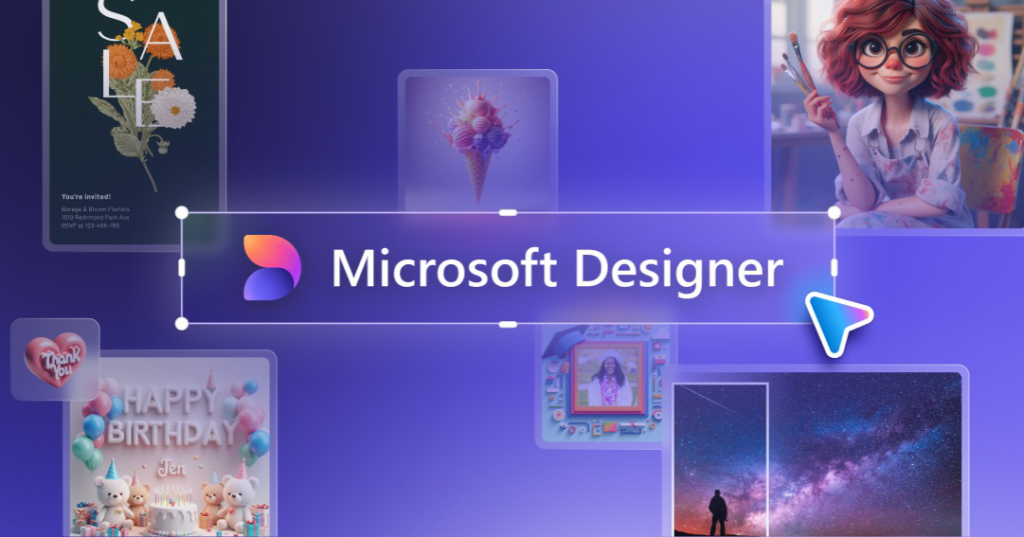
Microsoft Designer combines generative power with smart, automated layout templates to help users produce polished marketing assets in seconds. Powered by OpenAI’s DALL-E image models, Designer interprets conversational prompts to build complete graphics, event invitations, social media posts, and digital banners tailored to your specific text inputs. Its minimalist design environment focuses heavily on eliminating blank-canvas anxiety for busy professionals.
The platform excels in corporate and enterprise environments where rapid asset generation is required across Microsoft 365 applications. Users can quickly create visual slides for PowerPoint, generate promotional graphics for Teams announcements, or build custom marketing banners for web campaigns. Microsoft Designer provides a streamlined, friction-free experience for professionals who need high-impact visual communication tools integrated directly into their daily productivity routines.
4. Figma AI: Elevating Collaborative UI/UX Workflows
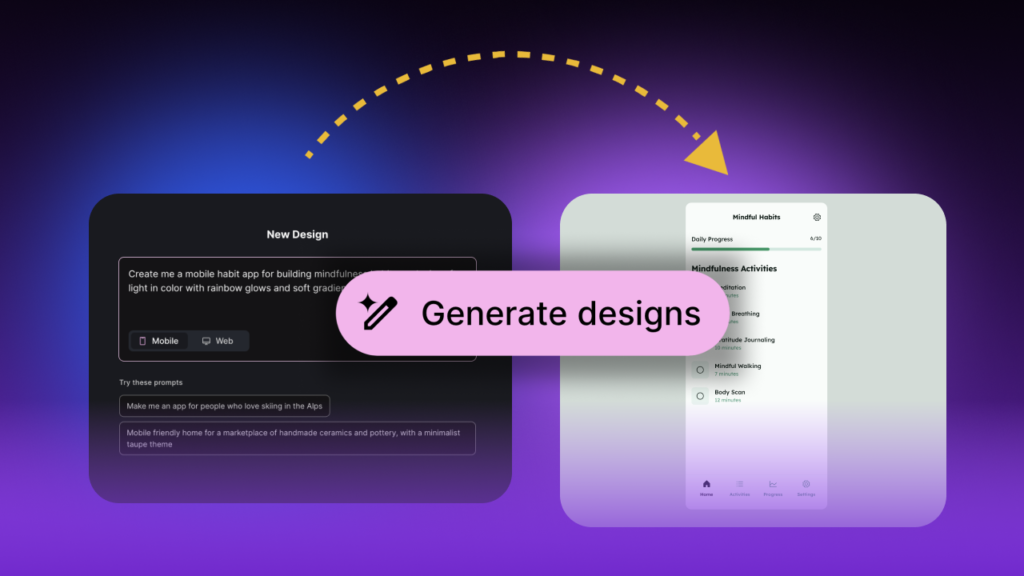
Figma AI brings intelligent automation directly into the world’s leading collaborative interface design platform. Tailored specifically for product designers, UX researchers, and front-end developers, Figma’s integrated AI capabilities help teams organize complex design systems, generate realistic component layouts, auto-rename layers, and translate text into multiple languages instantly. This focus on workflow optimization drastically cuts down on the repetitive administrative tasks that typically slow down product development.
In fast-paced product teams, Figma AI acts as an intelligent assistant that turns wireframes into interactive prototypes with minimal manual effort. Designers can search their team’s existing design system using visual queries or plain text, rapidly pulling component variants without digging through massive library files. By combining real-time cloud collaboration with smart asset organization, Figma AI accelerates digital product creation from initial sketch to final code handoff.
5. Adobe Express: Quick Marketing and Social Content
Adobe Express bridges the gap between simple, web-based template editing and professional-grade desktop design tools. Powered by Adobe Firefly’s generative engine, Express allows users to generate unique text effects, turn text prompts into stunning graphics, and edit micro-videos with a single click. Its massive collection of professionally designed templates provides an instant starting point for flyers, brochures, Instagram reels, and branded promotional collateral.
The platform is particularly well-suited for social media managers and marketing teams who require quick turnarounds without losing brand fidelity. Express connects directly to Adobe Creative Cloud libraries, meaning assets created by senior designers in Photoshop or Illustrator can be instantly accessed and edited by non-designer team members. It delivers a balanced, user-friendly creative environment that prioritizes speed, quality, and brand consistency.
6. Looka: Automated Brand Identity & Logo Design
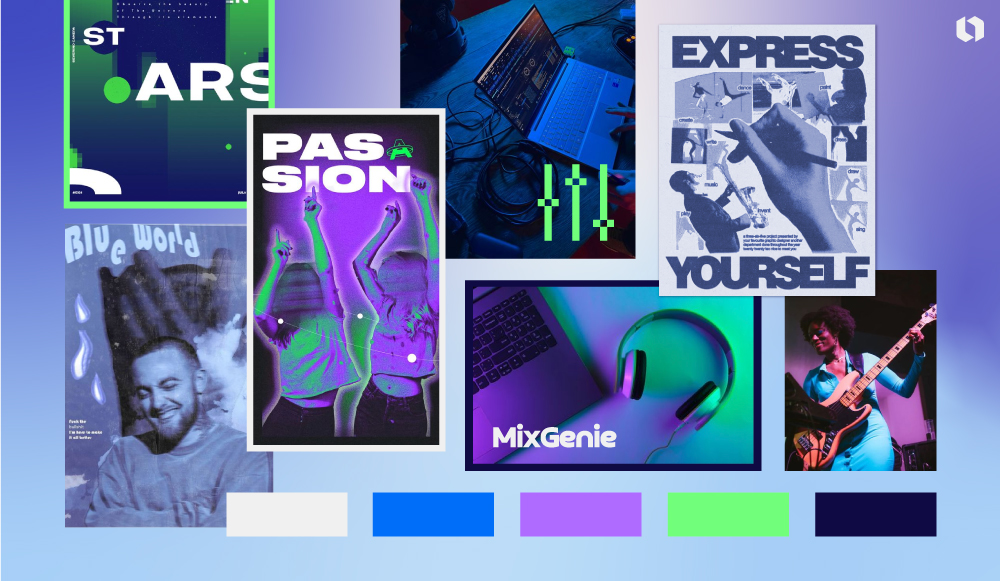
Looka specializes in turning brand ideas into comprehensive visual identities using intelligent design algorithms. By asking users a series of simple questions about their business name, industry, aesthetic preferences, and color palettes, Looka generates hundreds of custom logo variations in a matter of seconds. Unlike generic template generators, the platform uses smart design logic to pair complementary fonts, icons, and spatial proportions that align with modern branding standards.
Beyond simple logo generation, Looka provides entrepreneurs and early-stage startups with a full brand kit. Once a logo concept is chosen, the platform automatically builds matching business card templates, social media headers, email signatures, and brand guideline documents. This automated approach makes Looka an affordable and fast solution for new businesses looking to establish a polished, professional brand identity from day one.
7. VistaCreate: High-Impact Animated & Social Visuals
VistaCreate empowers digital marketers and small business owners to craft eye-catching static and animated graphics with minimal technical effort. Featuring a library of over 100,000 professionally designed templates, VistaCreate integrates AI-driven background removal, object masking, and automated animation effects. The platform focuses heavily on engaging social media formats, making it easy to build dynamic Instagram stories, TikTok video covers, and Facebook ad visuals that grab audience attention.
The platform’s standout strength is its vast media asset collection, which includes millions of royalty-free photos, vectors, audio tracks, and video clips. Users can apply instant brand styling across multiple template designs simultaneously, ensuring that multi-channel promotional campaigns maintain a unified look and feel. VistaCreate offers an efficient, budget-friendly workspace for content creators who need to produce high volumes of animated digital media.
8. Designs.ai: All-in-One Creative Content Suite
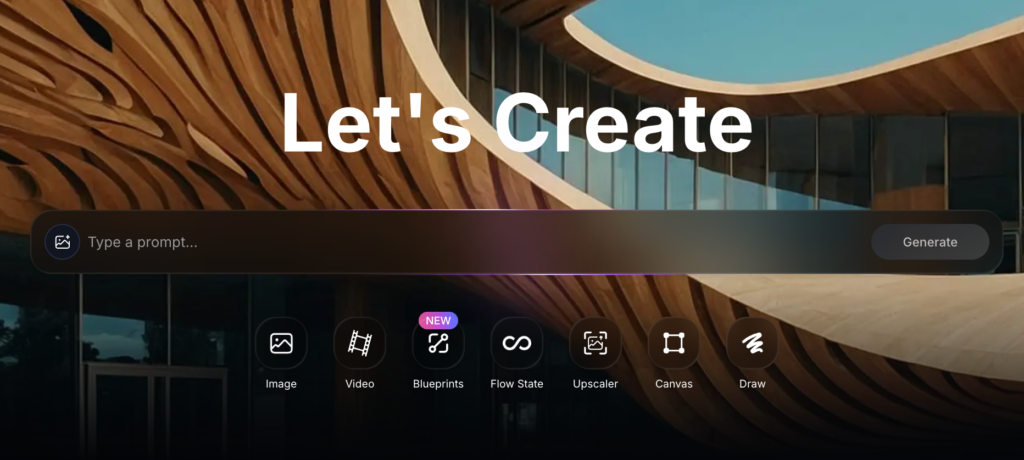
Designs.ai is an integrated creative portal built to streamline graphic design, video creation, AI voiceovers, and copy generation within a unified dashboard. Using its proprietary Logomaker, Videomaker, Designmaker, and Speechmaker engines, users can generate full-scale marketing campaigns from a single text prompt. The platform’s machine learning models analyze your brand input to automatically generate complementary design variations, saving hours of cross-platform editing time.
Agencies and cross-functional marketing teams benefit greatly from Designs.ai’s centralized asset management system. Instead of switching between multiple specialized software tools, team members can craft a logo, produce promotional video scripts, convert text to natural-sounding voiceovers, and layout print flyers in one place. It represents a highly efficient creative ecosystem designed to scale content output for expanding digital brands.
9. Pixlr AI: Fast Photo Editing and Retouching
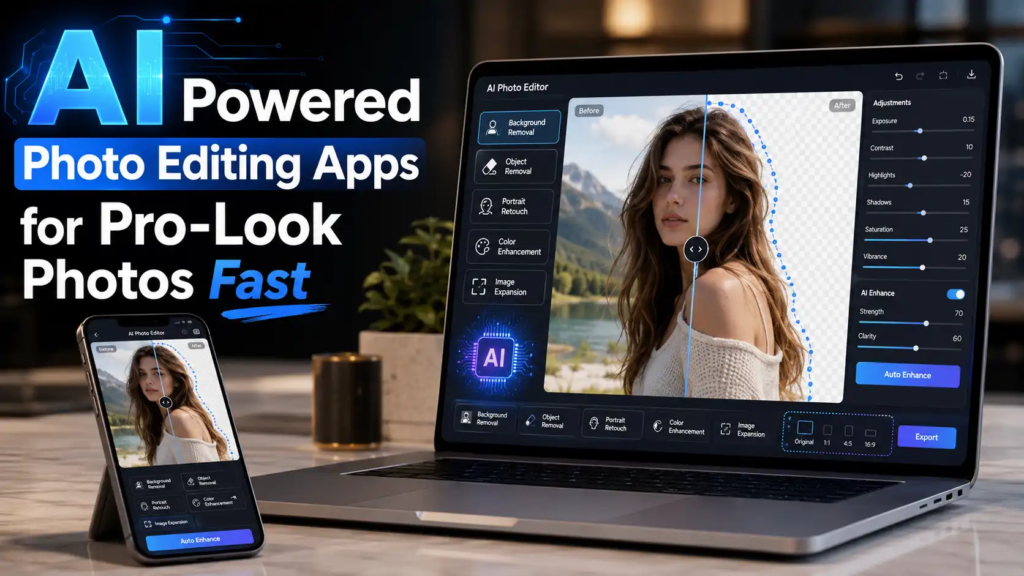
Pixlr AI delivers advanced photo editing and image manipulation directly inside your web browser, eliminating the need for expensive software installations. Its AI toolset includes intelligent background removal, generative image expansion, object eraser tools, and one-click portrait retouching. Pixlr balances an accessible, web-first interface with advanced layer controls, color grading curves, and blend modes that appeal to both casual editors and experienced photographers.
Bloggers, e-commerce store owners, and social media creators rely on Pixlr AI for rapid batch image processing and product photo enhancement. The software automatically detects image subjects, allowing users to apply selective edits, replace dull backgrounds with generated studio settings, or remove distracting objects effortlessly. It is an agile, high-performance photo editing suite tailored for fast-paced web environments.
10. Midjourney: Unrivaled Concept Art and Ideation
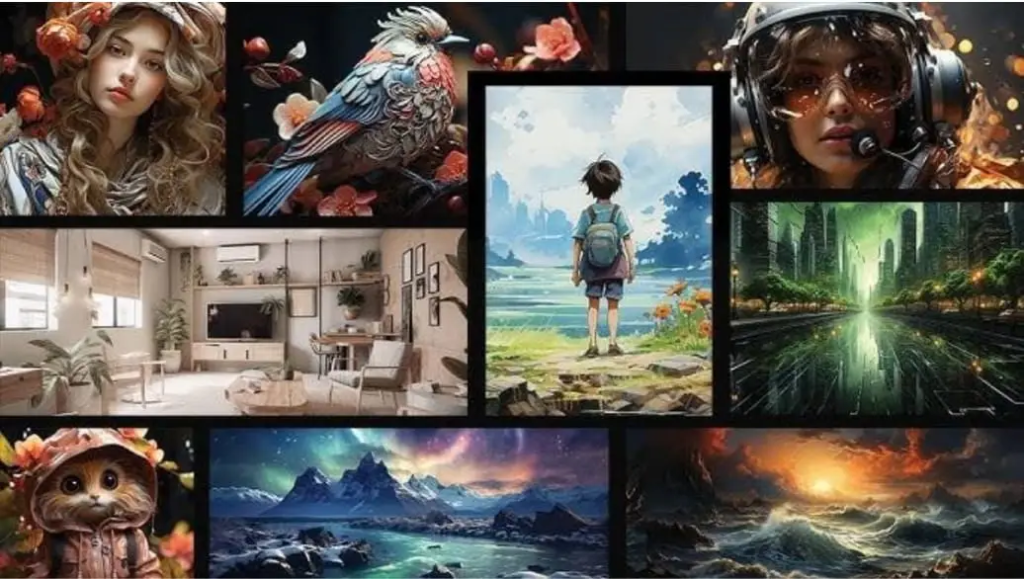
Midjourney stands at the peak of AI-driven artistic generation, renowned worldwide for producing hyper-realistic imagery, abstract illustrations, and painterly visual concepts. Operating through a text-prompt interface, Midjourney interprets complex atmospheric descriptors, lighting directions, and artistic styles to render breathtaking visual compositions. Graphic designers frequently utilize the platform during early-stage brainstorming to explore mood boards, character designs, environmental concept art, and surreal advertising imagery.
While it lacks traditional vector layout tools, Midjourney excels as a pure ideation engine and asset generator. Designers can produce unique textures, stylized background elements, and photorealistic subject photography that can be composited into final layouts using Adobe Photoshop or Canva. It remains an essential creative catalyst for visual artists who want to push the boundaries of imaginative design.
Essential Features to Look for in AI Design Software
When evaluating the growing landscape of AI-powered graphic design tools, selecting a platform that fits your specific creative workflow is essential. Look for software that offers intuitive user interfaces that do not require steep learning curves, allowing team members to adopt new tools quickly. High-quality generative output, granular editing controls, and precise prompt interpretation are equally crucial to ensure that generated assets match your brand’s aesthetic standards.
| Feature Category | Key Capability | Primary User Benefit |
| Generative Quality | Commercial-safe image & vector generation | Produces high-resolution, copyright-compliant creative assets. |
| Workflow Integration | Direct plugin connection to Creative Cloud/Figma | Allows seamless asset transfer without breaking existing workflows. |
| Brand Management | Automated brand kits, font pairing & color locking | Ensures visual consistency across multi-channel campaigns. |
| Team Collaboration | Real-time cloud editing & asset sharing | Streamlines review cycles between designers and stakeholders. |
Prioritizing platforms that combine robust cloud storage options with flexible commercial licensing terms ensures that your team can scale its creative output safely and sustainably over time.
Core Benefits of Integrating AI into Your Creative Workflow
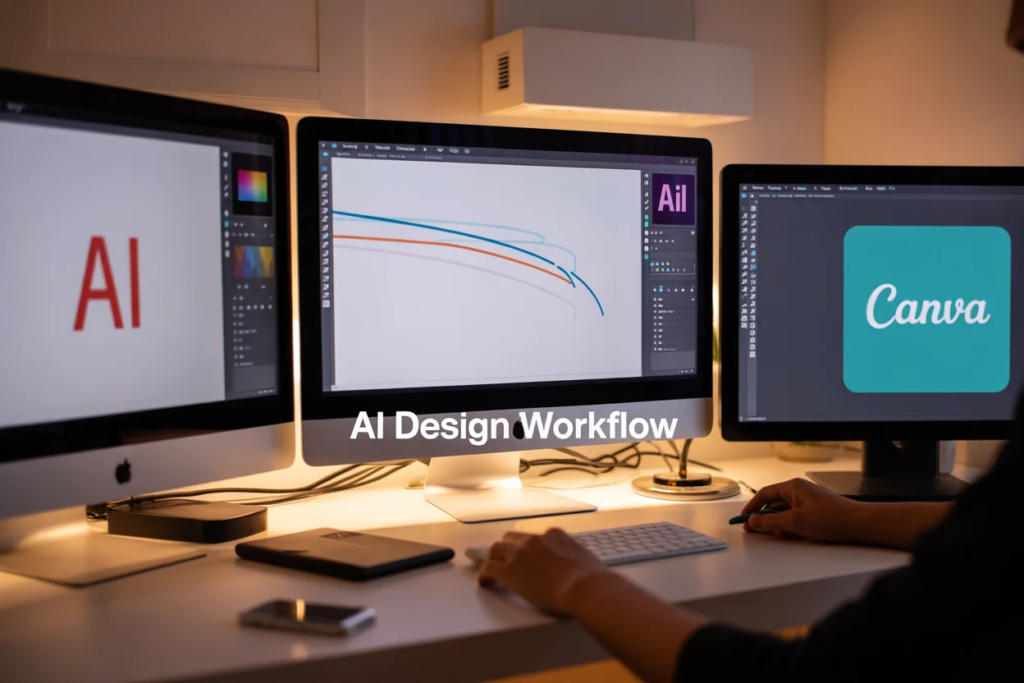
Integrating artificial intelligence into your daily graphic design operations offers transformative advantages that extend well beyond basic time savings. By automating mechanical chores—such as image masking, asset resizing, and font matching—AI software drastically reduces creative fatigue, leaving designers with more mental energy for high-level conceptual thinking. This shift improves overall job satisfaction and allows creative personnel to focus on strategic brand storytelling.
Furthermore, AI design platforms enable rapid multivariate testing for digital marketing campaigns. Teams can quickly generate dozens of visual iterations for ad banners, testing different colorways, subject placements, and headline layouts to see what resonates best with consumers. This data-informed design approach leads to higher engagement rates and improved conversion metrics, proving the tangible business value of AI-assisted design workflows.
How to Choose the Right AI Design Software for Your Needs
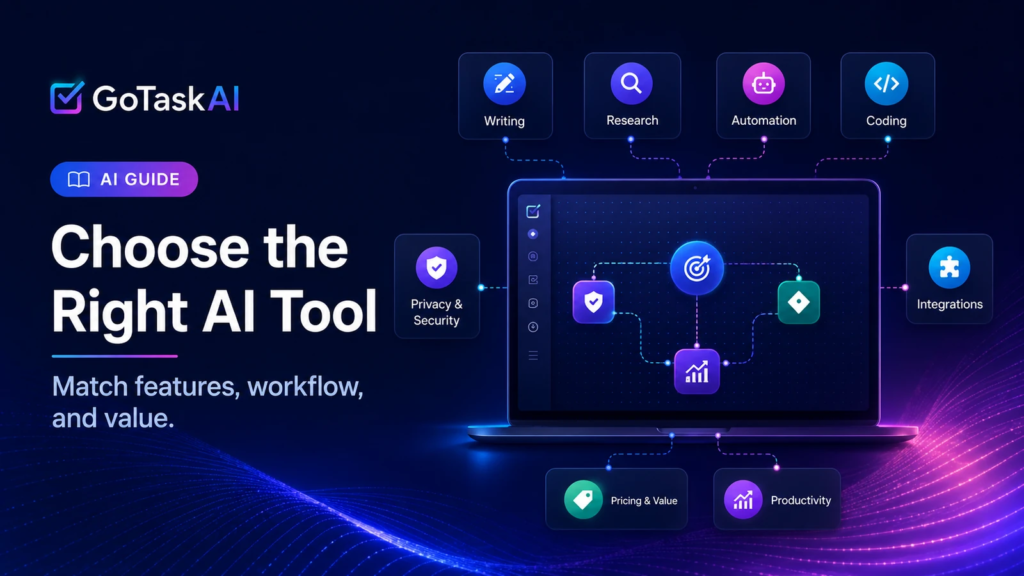
Selecting the ideal software depends entirely on your current skill level, budget constraints, and specific creative goals. Beginners and small business owners should lean toward all-in-one template platforms like Canva AI or Adobe Express, which provide structured guidance, pre-built assets, and minimal learning curves. These tools handle everyday visual needs efficiently while maintaining a professional look.
Conversely, professional UI/UX designers, brand strategists, and agency artists will gain maximum value from specialized professional software like Adobe Firefly, Figma AI, or Midjourney. These platforms offer deeper creative control, precise layer manipulation, and seamless integration into industrial-grade production pipelines. Testing free trial tiers across a few platforms is the best way to evaluate rendering speed, output quality, and overall software feel before committing to long-term enterprise subscriptions.
Frequently Asked Questions (FAQs)
What is AI graphic design software?
AI graphic design software uses artificial intelligence to automate design tasks such as image generation, background removal, layout creation, and visual editing, making the design process faster and more efficient.
Which AI graphic design software is best for professionals?
Popular choices include Canva AI, Adobe Firefly, Figma AI, Microsoft Designer, and Adobe Express, depending on your workflow and design requirements.
Can beginners use AI design tools?
Yes. Many AI design platforms offer intuitive interfaces, templates, and drag-and-drop editors that make them easy for beginners to use.
Are AI graphic design tools suitable for businesses?
Absolutely. Businesses use AI design software to create marketing materials, social media graphics, presentations, logos, and branded content more efficiently.
Will AI replace graphic designers?
AI is designed to assist designers by automating repetitive tasks and enhancing creativity. Professional designers remain essential for creative strategy, branding, storytelling, and producing original, high-quality visual experiences.