
Artificial Intelligence (AI) is one of the fastest-growing technologies in the world, influencing everything from smartphones and online shopping to healthcare, education, finance, and transportation. While AI may seem complex at first, understanding its basic concepts is easier than many people think. Learning the fundamentals can help you understand how AI works, where it is used, and why it has become such an important part of modern life.
Whether you’re a student, professional, business owner, or simply curious about technology, this guide introduces the core AI concepts every beginner should know in 2026.
What Is Artificial Intelligence?
Artificial Intelligence is a branch of computer science that enables machines to perform tasks that typically require human intelligence. These tasks include learning from data, recognizing patterns, understanding language, solving problems, and making decisions.
Unlike traditional software that follows fixed instructions, AI systems can improve their performance over time by analyzing data and identifying patterns.
Today, AI powers many familiar technologies, including:
- Voice assistants
- Recommendation systems
- Language translation
- Image recognition
- Chatbots
- Navigation apps
- Smart home devices
AI continues to expand into new industries and everyday applications.
Why Learning AI Concepts Is Important
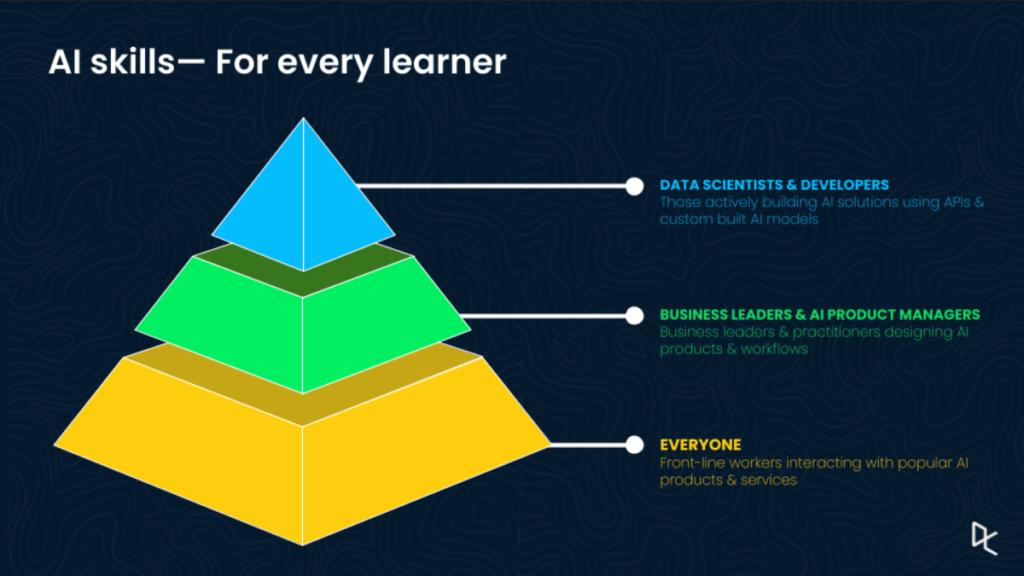
Understanding AI concepts helps you make sense of the technologies you use every day. It also prepares you for future careers and allows you to make informed decisions about AI-powered tools.
Some benefits of learning AI include:
- Better understanding of modern technology
- Improved career opportunities
- Smarter use of AI tools
- Stronger digital literacy
- Better problem-solving skills
- Awareness of ethical considerations
As AI becomes more common, basic knowledge is increasingly valuable.
Core AI Concepts Every Beginner Should Know
1. Machine Learning (ML)

Machine Learning is one of the most important areas of AI. Instead of being programmed with every instruction, machine learning systems learn from data and improve over time.
Examples include:
- Movie recommendations
- Email spam filters
- Product suggestions
- Fraud detection
The more relevant data a model receives, the better it can often perform.
2. Deep Learning
Deep Learning is a specialized type of machine learning that uses artificial neural networks to solve complex problems.
It is commonly used for:
- Speech recognition
- Image classification
- Facial recognition
- Language translation
- Medical image analysis
Deep learning is behind many of today’s advanced AI applications.
3. Natural Language Processing (NLP)
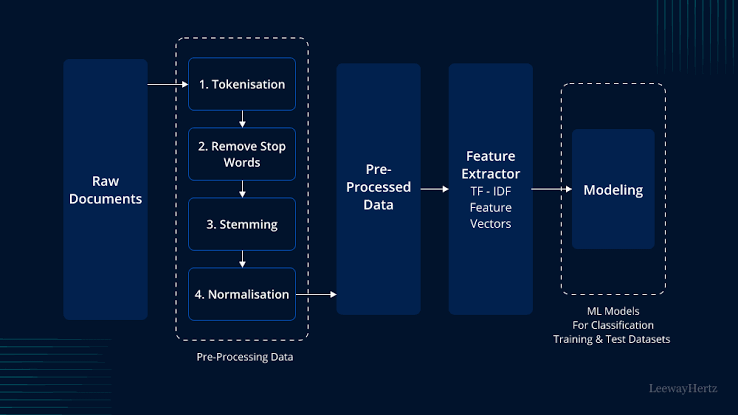
Natural Language Processing enables computers to understand, interpret, and generate human language.
NLP powers technologies such as:
- AI chatbots
- Voice assistants
- Language translation
- Text summarization
- Sentiment analysis
It allows people to communicate with computers using everyday language.
4. Computer Vision
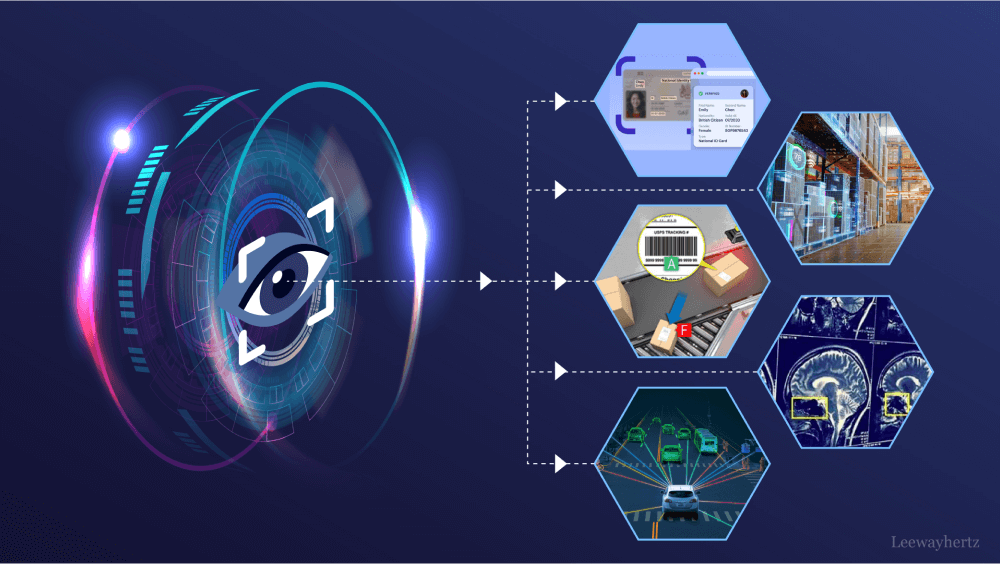
Computer Vision enables machines to interpret and understand images and videos.
Common applications include:
- Self-driving vehicles
- Medical imaging
- Security systems
- Facial recognition
- Manufacturing quality inspection
Computer vision continues to improve with advances in AI models and hardware.
5. Generative AI
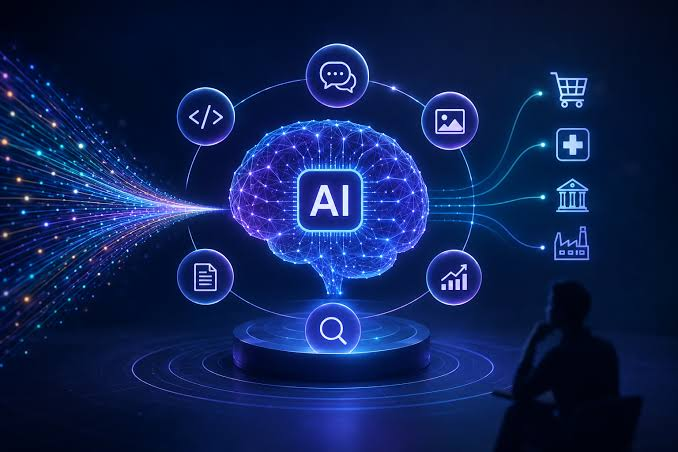
Generative AI creates new content based on patterns learned from existing data.
It can generate:
- Text
- Images
- Videos
- Music
- Computer code
Generative AI is becoming increasingly popular in education, marketing, software development, and creative industries.
6. Neural Networks
Neural networks are AI models inspired by the structure of the human brain.
They process information through connected layers that help recognize patterns and solve complex tasks.
Neural networks are widely used in:
- Image recognition
- Speech processing
- Language models
- Recommendation systems
Types of Artificial Intelligence
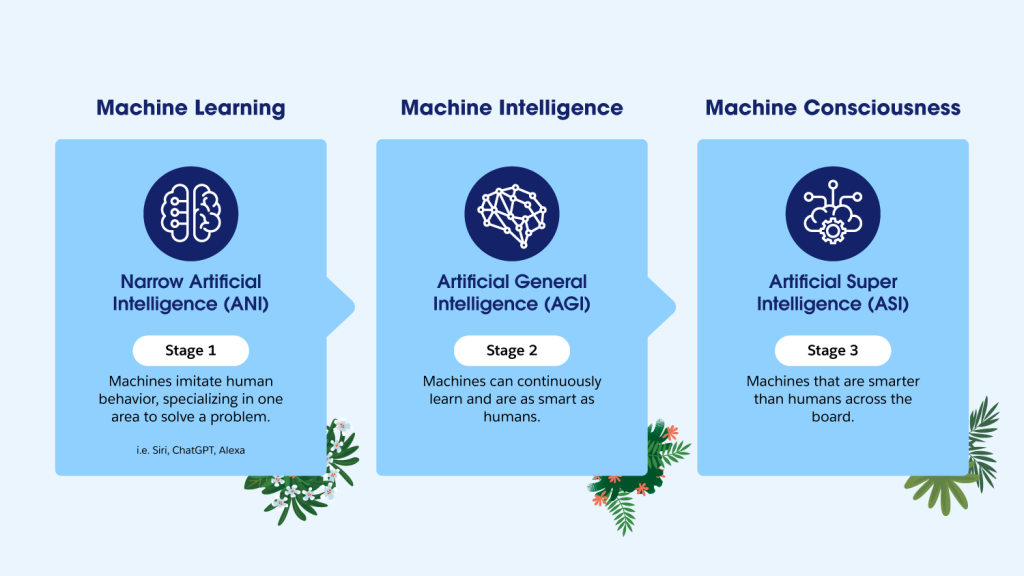
AI is often grouped into different categories.
Narrow AI
Narrow AI is designed to perform specific tasks.
Examples include:
- Search engines
- Virtual assistants
- Recommendation systems
- Navigation apps
Most AI used today falls into this category.
General AI
General AI refers to systems that could perform a wide range of intellectual tasks similarly to humans.
This type of AI remains a research goal and has not yet been achieved.
How AI Learns
AI systems improve by analyzing large amounts of data.
The general learning process includes:
- Collect data.
- Train the AI model.
- Test the model.
- Improve accuracy.
- Apply the model to real-world tasks.
The quality of the data often has a significant impact on the model’s performance.
Real-World Applications of AI

Artificial Intelligence is transforming many industries.
Healthcare
- Disease detection
- Medical imaging
- Drug discovery
- Patient support
Education
- Personalized learning
- AI tutors
- Automated grading
- Language learning
Business
- Customer support
- Marketing automation
- Sales forecasting
- Workflow optimization
Finance
- Fraud detection
- Investment analysis
- Credit scoring
- Risk management
Transportation
- Navigation systems
- Traffic prediction
- Autonomous vehicles
- Fleet management
These applications continue to expand as AI technology evolves.
Benefits of AI
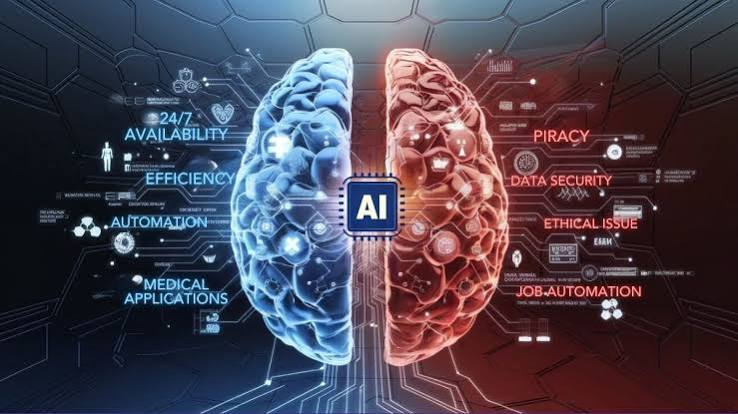
AI offers many advantages across different industries.
Key benefits include:
- Faster decision-making
- Improved efficiency
- Reduced repetitive work
- Better customer experiences
- Data-driven insights
- Increased productivity
- Automation of routine tasks
When used responsibly, AI can help people work more effectively rather than replacing human creativity and judgment.
Challenges of AI
Despite its advantages, AI also presents important challenges.
These include:
- Data privacy concerns
- Algorithmic bias
- Security risks
- Ethical considerations
- Transparency
- High development costs
Addressing these issues requires responsible design, governance, and human oversight.
Future Trends in AI
Artificial Intelligence continues to evolve rapidly.
Some important trends for 2026 include:
- More advanced generative AI
- AI-powered robotics
- Smarter virtual assistants
- Edge AI on mobile devices
- Personalized AI experiences
- Responsible and ethical AI development
These innovations are expected to make AI more accessible and useful across many industries.
Tips for Beginners Learning AI
If you’re new to AI:
- Learn the basic concepts first.
- Explore real-world AI applications.
- Practice using AI-powered tools.
- Read beginner-friendly resources.
- Stay updated with industry developments.
- Focus on understanding how AI works before exploring advanced topics.
Building a strong foundation makes future learning much easier.
Artificial Intelligence is becoming an essential part of everyday life and modern business. Understanding concepts such as machine learning, deep learning, natural language processing, computer vision, and generative AI provides a solid foundation for anyone interested in technology.
You don’t need to be a programmer to understand AI. By learning the basics and exploring practical applications, you can better understand how AI is shaping the future and how it can be used responsibly in work, education, and daily life.
Frequently Asked Questions
1. What is the most important AI concept for beginners?
Machine Learning is often the best place to start because it forms the foundation of many modern AI applications.
2. Is AI difficult to learn?
No. Beginners can understand the basic concepts through simple explanations, practical examples, and consistent learning.
3. What is the difference between AI and Machine Learning?
AI is the broader field of creating intelligent systems, while Machine Learning is a subset of AI that enables systems to learn from data.
4. Where is AI used today?
AI is used in healthcare, education, finance, retail, transportation, customer service, entertainment, marketing, and many other industries.
5. Why should I learn AI concepts in 2026?
AI skills and knowledge are becoming increasingly valuable as more businesses and industries adopt AI-powered technologies to improve productivity and innovation.