
Artificial Intelligence (AI) is one of the most transformative technologies of the modern era. From virtual assistants and recommendation systems to self-driving cars and intelligent chatbots, AI is becoming a part of everyday life. Businesses, educators, healthcare providers, and technology companies are increasingly using AI to improve efficiency, automate tasks, and deliver better experiences.
For beginners, AI can seem complicated because it involves various technologies, concepts, and technical terms. However, understanding the fundamentals of AI is easier when broken down into simple concepts. Learning these basics helps individuals understand how modern technology works and prepares them for a future where AI will play an even bigger role.
This guide explains the most important AI concepts in simple language, making it easier for beginners to understand how artificial intelligence works and why it matters.
What Is Artificial Intelligence?
Artificial Intelligence refers to the ability of machines and computer systems to perform tasks that normally require human intelligence. These tasks may include learning, reasoning, decision-making, problem-solving, language understanding, and pattern recognition.
AI systems are designed to analyze information, learn from data, and improve their performance over time.
Examples of AI can be found in:
- Virtual assistants
- Recommendation systems
- Smart search engines
- Voice recognition software
AI helps machines make intelligent decisions without needing constant human guidance.
Why AI Is Important
AI is changing how people work, communicate, learn, and conduct business. It helps automate repetitive tasks, improve productivity, and analyze large amounts of information quickly.
Organizations use AI to increase efficiency, reduce costs, and make data-driven decisions.
| AI Benefit | Impact |
|---|---|
| Automation | Saves time |
| Data analysis | Better decisions |
| Personalization | Improved user experiences |
| Efficiency | Increased productivity |
AI is becoming an essential technology across many industries.
Understanding Machine Learning
Machine Learning (ML) is one of the most important branches of AI. It enables computers to learn from data without being explicitly programmed for every task.
Instead of following fixed instructions, machine learning systems analyze patterns and improve based on experience.
For example, a streaming platform learns what movies a user likes and recommends similar content.
Machine learning powers many modern applications, including recommendation engines, fraud detection systems, and predictive analytics tools.
Deep Learning Explained
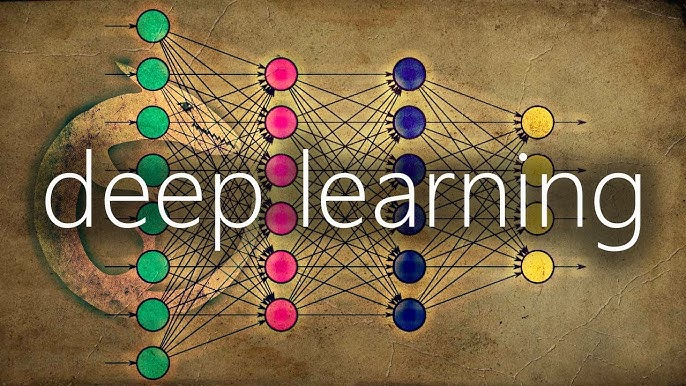
Deep Learning is a specialized area of machine learning that uses artificial neural networks inspired by the human brain.
These networks process large amounts of information and identify complex patterns.
Deep learning is responsible for many advanced AI capabilities such as:
- Image recognition
- Voice assistants
- Language translation
- Facial recognition
The growth of deep learning has significantly accelerated AI development in recent years.
Natural Language Processing (NLP)
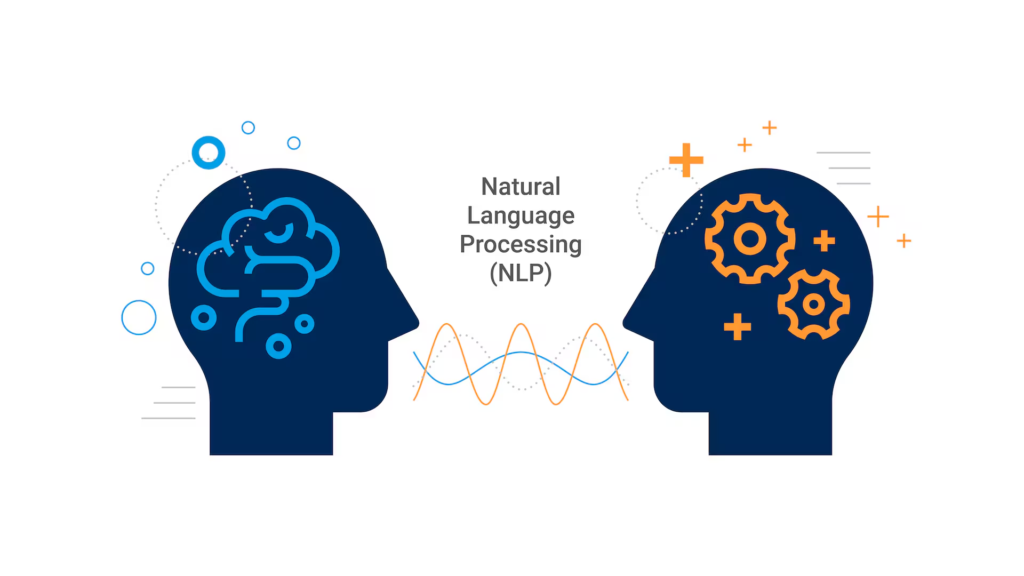
Natural Language Processing allows computers to understand, interpret, and generate human language.
This technology powers chatbots, virtual assistants, translation tools, and AI writing platforms.
When users interact with AI through text or voice, NLP helps the system understand the request and generate meaningful responses.
Modern NLP systems have become highly advanced and can communicate in a more natural and conversational way.
Computer Vision
Computer Vision is the AI field that enables machines to understand and analyze images and videos.
Just as humans use their eyes to interpret the world, computer vision allows AI systems to recognize objects, faces, text, and activities.
| Computer Vision Application | Use Case |
|---|---|
| Facial recognition | Security systems |
| Medical imaging | Disease detection |
| Self-driving vehicles | Object identification |
| Retail analytics | Customer behavior analysis |
Computer vision continues to improve rapidly as AI technologies advance.
Generative AI
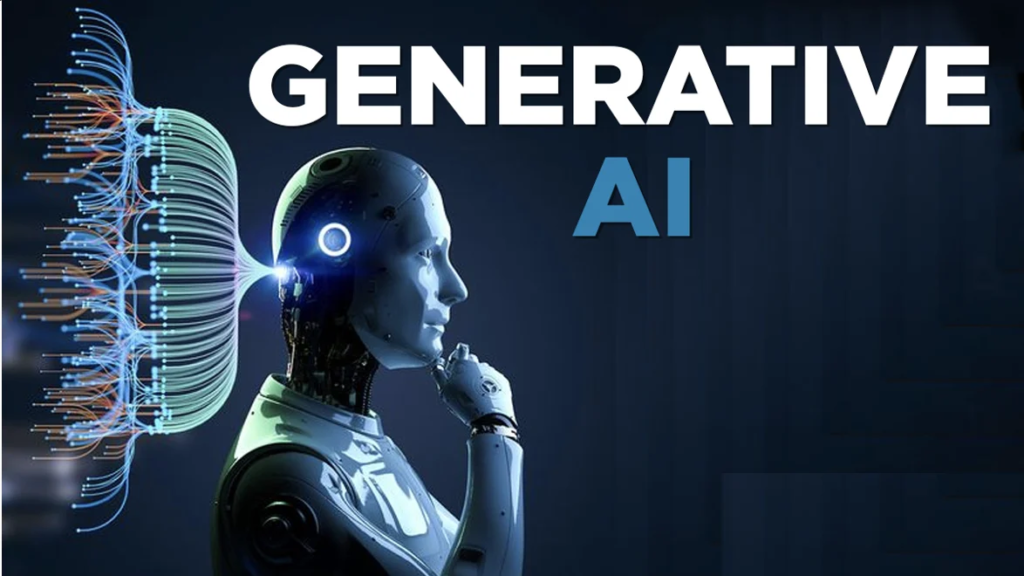
Generative AI refers to systems that can create new content such as text, images, videos, music, and code.
Unlike traditional AI systems that primarily analyze information, generative AI produces original outputs based on learned patterns.
Examples include:
- AI writing assistants
- AI image generators
- AI video creation tools
- AI coding assistants
Generative AI has become one of the fastest-growing areas of artificial intelligence.
Training Data and AI Learning

AI systems learn by analyzing large datasets known as training data.
The quality of this data plays a major role in determining how accurate and effective an AI model becomes.
If the training data is diverse and well-structured, the AI system is more likely to produce reliable results.
Poor-quality data can lead to errors, biases, and inaccurate predictions.
Training data serves as the foundation for machine learning and AI development.
AI Models and Algorithms
AI models are mathematical systems trained to perform specific tasks. Algorithms are the instructions used to help these models learn and make decisions.
Different AI models are designed for different purposes, such as language processing, image recognition, forecasting, or recommendation systems.
As AI models receive more data and training, they often improve their performance and accuracy.
Understanding models and algorithms helps explain how AI systems solve problems and generate outputs.
Real-World Applications of AI
AI is already being used across many industries and everyday activities.
Common AI Applications
- Customer support chatbots
- Smart assistants
- Personalized recommendations
- Healthcare diagnostics
- Financial fraud detection
- Marketing automation
- Autonomous vehicles
These applications demonstrate how AI is improving efficiency and transforming industries worldwide.
Challenges and Limitations of AI
Although AI offers many benefits, it also faces several challenges.
AI systems may sometimes generate inaccurate information, misunderstand context, or reflect biases present in training data.
Other concerns include privacy, security, transparency, and ethical use of AI technologies.
Organizations and developers must ensure AI is used responsibly and fairly.
Human oversight remains important in many AI-powered systems.
The Future of Artificial Intelligence

The future of AI is expected to bring even more advanced capabilities and innovations.
AI may become increasingly integrated into healthcare, education, transportation, business operations, and daily life.
Future developments may include:
- More intelligent virtual assistants
- Advanced automation systems
- Personalized learning platforms
- Smarter business analytics
- Enhanced creative tools
As technology evolves, AI will continue shaping how people work, communicate, and solve problems.
Conclusion
Artificial Intelligence is transforming the world by enabling machines to learn, analyze information, and perform tasks that traditionally required human intelligence. Concepts such as machine learning, deep learning, natural language processing, computer vision, and generative AI form the foundation of modern AI systems.
For beginners, understanding these core concepts provides a strong starting point for exploring one of the most important technologies of the future. As AI continues advancing, having a basic understanding of its principles will become increasingly valuable in both personal and professional life.
Learning AI concepts today helps prepare for a future where intelligent technology plays an even greater role in everyday activities and business innovation.e
FAQs
1. What is Artificial Intelligence?
AI is technology that enables machines to perform tasks requiring human-like intelligence.
2. What is Machine Learning?
Machine Learning allows computers to learn from data and improve over time.
3. What is Deep Learning?
Deep Learning uses neural networks to process complex information and patterns.