
Artificial Intelligence (AI) is transforming industries, businesses, and daily life at an unprecedented pace. From virtual assistants and recommendation systems to healthcare diagnostics and autonomous vehicles, AI is becoming deeply integrated into modern society. While these innovations offer significant benefits, they also raise important questions about fairness, privacy, accountability, and transparency.
As AI becomes more powerful, ethical considerations are becoming just as important as technological advancements. Organizations, governments, researchers, and technology companies are increasingly focusing on ethical AI practices to ensure that intelligent systems benefit society while minimizing risks.
Ethical AI is not simply about following regulations. It is about building trustworthy systems that respect human rights, protect privacy, reduce bias, and promote responsible innovation. The future of technology will depend heavily on how effectively organizations implement ethical AI principles.
What Is Ethical AI?
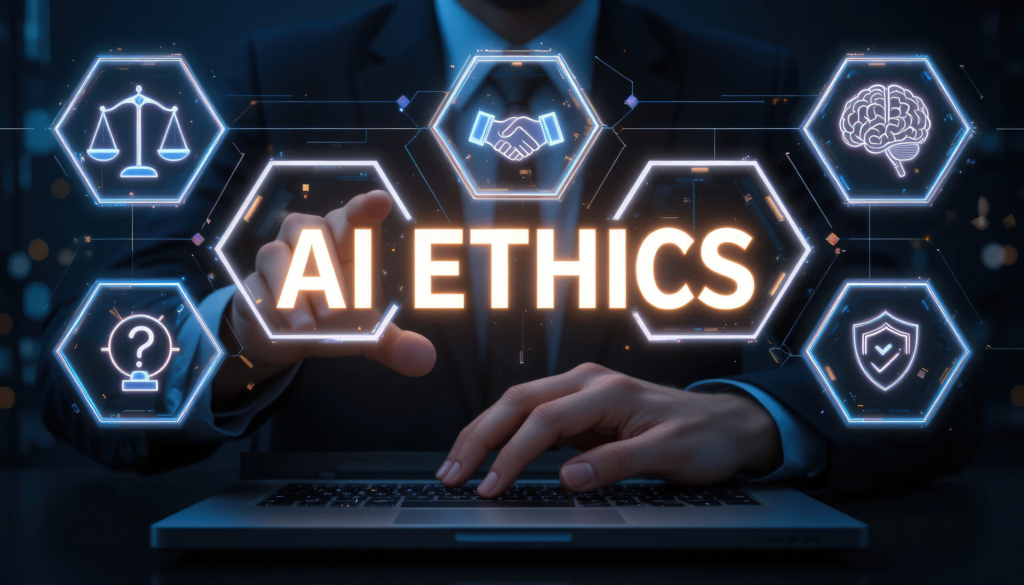
Ethical AI refers to the development and use of artificial intelligence systems that align with human values, fairness, transparency, accountability, and safety.
The goal is to ensure that AI technologies make decisions responsibly and do not harm individuals, communities, or society.
Ethical AI focuses on questions such as:
- Is the system fair?
- Does it protect user privacy?
- Can its decisions be explained?
- Who is responsible when mistakes occur?
These considerations help create AI systems that people can trust.
Why Ethical AI Matters
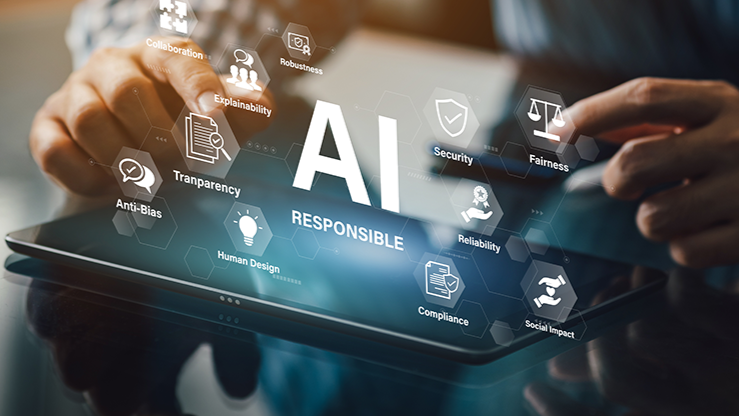
AI technologies are now influencing areas such as:
- Hiring processes
- Financial services
- Healthcare decisions
- Education systems
- Criminal justice applications
As AI systems become involved in critical decisions, ethical concerns become increasingly important.
When AI systems make decisions that affect people’s lives, fairness and transparency become essential requirements.
Without proper ethical standards, AI can unintentionally create discrimination, privacy violations, or harmful outcomes.
The Importance of Fairness in AI

Fairness is one of the most discussed topics in AI ethics. AI systems learn from data, and if that data contains historical biases, the AI may unintentionally repeat or amplify those biases.
Organizations are increasingly working to identify and reduce bias during AI development.
| Ethical Goal | Importance |
|---|---|
| Fairness | Equal treatment |
| Transparency | Better understanding |
| Accountability | Responsible decision-making |
| Privacy | User protection |
Fair AI systems help build trust and improve societal outcomes.
Transparency and Explainable AI
Many advanced AI models can be highly complex, making it difficult to understand how they reach specific decisions.
Transparency focuses on making AI systems easier to understand and evaluate.
Explainable AI aims to provide clear reasons behind AI-generated recommendations and decisions.
When users understand how AI works, they are more likely to trust and adopt the technology.
Transparency also helps organizations identify errors and improve system performance.
Privacy and Data Protection

AI systems rely heavily on data to learn and improve. However, collecting and processing large amounts of information raises privacy concerns.
Organizations must ensure that personal data is handled responsibly and securely.
Key privacy practices include:
- Data encryption
- Secure storage
- User consent
- Responsible data collection
Strong privacy protections help maintain public confidence in AI technologies.
As data regulations continue evolving, privacy will remain a major focus of ethical AI development.
Accountability in Artificial Intelligence

One of the most important ethical questions is determining responsibility when AI systems make mistakes.
If an AI system produces harmful outcomes, organizations must be able to identify who is accountable.
Accountability involves:
- Clear governance structures
- Human oversight
- Risk management processes
- Regular system monitoring
Responsible organizations ensure that humans remain involved in critical decision-making processes.
Ethical AI requires both technological safeguards and organizational responsibility.
Ethical AI in Healthcare

Healthcare is one of the most promising applications of AI, but it also requires strong ethical standards.
AI can assist doctors with diagnostics, treatment recommendations, and patient monitoring.
However, healthcare AI systems must prioritize:
- Patient privacy
- Accuracy
- Fair access
- Safety
Ethical practices help ensure that AI improves healthcare outcomes without compromising patient rights.
Healthcare organizations are increasingly adopting ethical frameworks to guide AI implementation.
Ethical AI in Business
Businesses are using AI for marketing, customer service, recruitment, analytics, and workflow automation.
While AI can improve productivity, companies must ensure that automated systems operate fairly and transparently.
Ethical business practices include:
- Reducing algorithmic bias
- Protecting customer data
- Providing transparent AI policies
- Monitoring AI performance regularly
Companies that prioritize ethical AI often build stronger customer trust and brand reputation.
Government Regulations and AI Ethics

These policies focus on:
- Consumer protection
- Data privacy
- Transparency requirements
- Risk management
- Accountability standards
Governments worldwide are developing regulations and guidelines to encourage responsible AI development
Regulation helps ensure that AI innovation continues while protecting individuals and society from potential harms.
Organizations that adopt ethical practices early may find it easier to comply with future regulations.
Benefits of Ethical AI
Ethical AI provides significant advantages for businesses, users, and society.
| Benefit | Impact |
|---|---|
| Increased trust | Better adoption |
| Reduced bias | Fairer outcomes |
| Stronger compliance | Lower legal risks |
| Better transparency | Improved understanding |
Ethical practices help organizations build sustainable and responsible AI systems.
Challenges of Implementing Ethical AI
Despite its importance, implementing ethical AI is not always simple.
Organizations may face challenges such as:
- Detecting hidden biases
- Managing complex datasets
- Balancing innovation and regulation
- Explaining advanced AI decisions
- Maintaining data privacy
Addressing these challenges requires collaboration between developers, policymakers, researchers, and business leaders.
Continuous monitoring and improvement are essential for responsible AI deployment.
The Future of Ethical AI

The future of AI will likely place even greater emphasis on ethics, accountability, and human-centered design.
Emerging trends include:
- Explainable AI systems
- Privacy-preserving technologies
- Fairness auditing tools
- Responsible AI governance frameworks
- Global ethical standards
As AI becomes more integrated into society, ethical principles will play a central role in shaping technological progress.
Organizations that invest in ethical AI today will be better prepared for future opportunities and challenges.
Conclusion
Ethical AI is becoming one of the most important aspects of technological innovation. As artificial intelligence continues transforming industries and everyday life, organizations must ensure that AI systems operate fairly, transparently, responsibly, and securely.
By addressing issues such as bias, privacy, accountability, and transparency, ethical AI helps create technology that people can trust. Businesses, governments, and technology developers all have a role to play in promoting responsible AI practices.
The future of technology will not be defined solely by how advanced AI becomes, but also by how ethically it is developed and deployed. Ethical AI is shaping a future where innovation and responsibility work together to benefit society.
FAQs
1. What is Ethical AI?
Ethical AI refers to artificial intelligence systems developed with fairness, transparency, accountability, and safety in mind.
2. Why is AI ethics important?
It helps ensure AI technologies benefit society while reducing risks such as bias and privacy violations.
3. What is AI bias?
AI bias occurs when systems produce unfair or discriminatory outcomes due to biased data or design.