
Artificial Intelligence (AI) has become one of the most valuable and in-demand skills in today’s digital world. Businesses, startups, educational institutions, and technology companies are rapidly adopting AI to automate processes, improve decision-making, and create innovative solutions. As a result, professionals with AI knowledge are increasingly sought after across industries.
The good news is that learning AI is more accessible than ever before. Whether you are a student, working professional, entrepreneur, or technology enthusiast, there are numerous tutorials, courses, and learning resources available to help you start your AI journey. With the right learning path and consistent practice, anyone can progress from a complete beginner to an AI expert.
This guide explores the best AI learning tutorials, essential concepts, and effective strategies for mastering artificial intelligence.
Why Learning AI Is Important

Artificial Intelligence is transforming industries worldwide. From healthcare and finance to marketing and software development, AI is creating new opportunities and changing how organizations operate.
Learning AI offers several benefits. It helps individuals develop future-ready skills, improve career opportunities, and understand technologies shaping modern society. AI knowledge is valuable not only for technical professionals but also for business leaders, marketers, educators, and entrepreneurs.
As AI adoption continues growing, individuals with AI expertise will be better positioned to succeed in an increasingly technology-driven economy.
Understanding the Fundamentals of AI
Before diving into advanced topics, it is important to understand the core concepts of artificial intelligence. Beginners should start by learning how AI works and the technologies that power intelligent systems.
Key AI concepts include machine learning, deep learning, natural language processing, computer vision, neural networks, and generative AI. These foundational topics provide the knowledge necessary to understand more advanced applications and techniques.
Building a strong understanding of AI fundamentals creates a solid foundation for future learning and practical implementation.
The Best Starting Point for Beginners
For those completely new to AI, beginning with beginner-friendly tutorials is essential. Many learners make the mistake of jumping directly into complex algorithms and coding projects without understanding the basics.
A structured learning path should start with:
- Understanding AI concepts
- Learning machine learning fundamentals
- Exploring real-world AI applications
- Understanding data and algorithms
- Practicing with simple projects
This gradual approach makes learning more manageable and helps build confidence along the way.
Learning Machine Learning
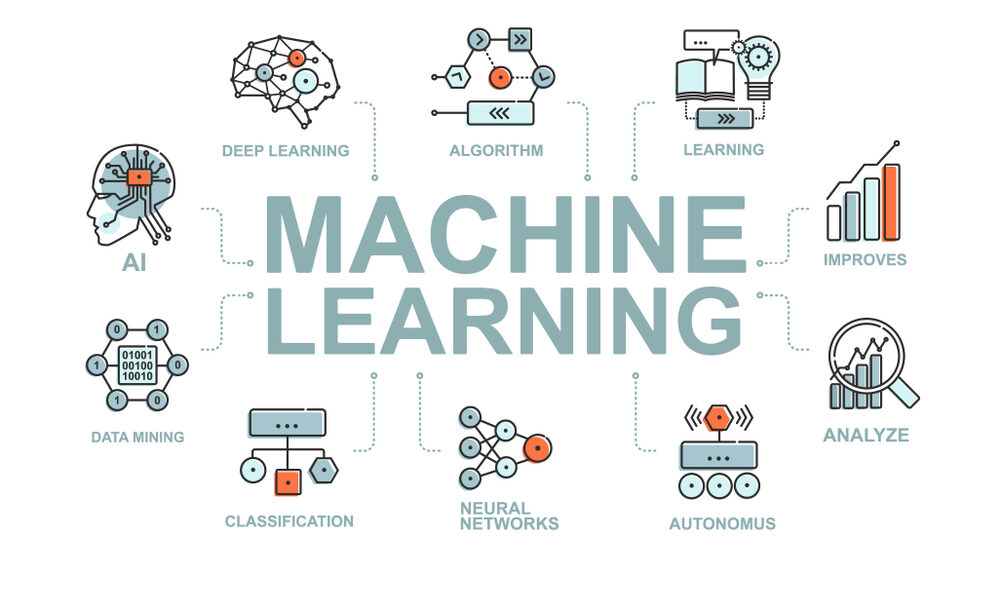
Machine Learning is one of the most important areas of AI. It enables computers to learn from data and improve performance without explicit programming.
Machine learning tutorials typically cover topics such as supervised learning, unsupervised learning, classification, regression, and model evaluation.
Understanding machine learning helps learners recognize how recommendation systems, fraud detection platforms, predictive analytics tools, and many modern AI applications operate.
Many AI experts consider machine learning the foundation of practical artificial intelligence.
Exploring Deep Learning
After mastering machine learning basics, learners often move into deep learning. Deep learning uses neural networks inspired by the human brain to process complex information and identify patterns.
Deep learning powers many advanced technologies, including:
- Speech recognition
- Image analysis
- Language translation
- Autonomous vehicles
- AI content generation
Learning deep learning introduces students to powerful AI systems capable of solving highly complex problems.
As AI continues advancing, deep learning remains one of the most important areas of study.
Understanding Natural Language Processing
Natural Language Processing (NLP) focuses on enabling computers to understand and generate human language.
NLP tutorials teach concepts such as text analysis, sentiment analysis, language modeling, speech recognition, and chatbot development.
Today, NLP powers virtual assistants, AI writing tools, translation services, customer support systems, and search engines.
As conversational AI continues growing in popularity, NLP skills are becoming increasingly valuable.
Learning Through Hands-On Projects
One of the most effective ways to learn AI is through practical projects. Reading tutorials and watching videos provide theoretical knowledge, but hands-on experience helps reinforce learning.
Beginner AI projects may include:
| Project Type | Learning Outcome |
|---|---|
| Chatbots | NLP basics |
| Recommendation systems | Machine learning |
| Image classification | Computer vision |
| Predictive models | Data analysis |
| Text generation | Generative AI |
Building projects helps learners apply concepts and develop problem-solving skills.
Practical experience is often what separates beginners from advanced AI practitioners.
Essential Programming Skills for AI
Programming plays a crucial role in AI development. While some no-code AI tools exist, learning programming significantly expands opportunities.
Python is widely considered the most popular programming language for AI because of its simplicity and extensive AI libraries.
Important programming concepts include:
- Variables and data structures
- Loops and functions
- Data processing
- Algorithm development
- Model implementation
Strong programming skills make it easier to build, test, and deploy AI solutions.
Learning Data Science Alongside AI

Data is the fuel that powers artificial intelligence. Learning data science helps individuals understand how information is collected, cleaned, analyzed, and visualized.
Data science tutorials often cover:
- Data analysis
- Statistics
- Data visualization
- Predictive modeling
- Data preparation
Because AI systems rely heavily on data, understanding data science is an important part of becoming an AI expert.
Combining AI and data science skills creates a strong foundation for advanced career opportunities.
AI Tools That Help Beginners Learn Faster
Modern AI learning has become easier thanks to intelligent educational tools and platforms.
Many AI-powered learning resources provide:
- Personalized learning paths
- Interactive coding exercises
- Instant feedback
- Project-based learning
- Virtual tutoring
These tools help learners progress more efficiently while improving engagement and understanding.
Using AI to learn AI has become an increasingly popular approach.
Common Challenges When Learning AI
Learning AI can be rewarding, but beginners often face challenges during the process.
Common obstacles include:
- Information overload
- Mathematical concepts
- Programming difficulties
- Understanding algorithms
- Lack of practical experience
The key to overcoming these challenges is consistency and patience. Learning AI is a journey that requires time, practice, and continuous improvement.
Breaking complex topics into smaller learning goals can make the process much more manageable.
Building an AI Career
AI skills open doors to numerous career opportunities.
Popular AI-related roles include:
- Machine Learning Engineer
- Data Scientist
- AI Researcher
- AI Product Manager
- Business Intelligence Analyst
- Data Analyst
- AI Consultant
As organizations continue investing in intelligent technologies, demand for AI professionals is expected to grow significantly.
Individuals who develop AI expertise today will likely benefit from strong career opportunities in the future.
The Future of AI Learning
AI education continues evolving rapidly. Interactive learning platforms, virtual laboratories, AI tutors, and personalized education systems are making AI more accessible than ever before.
Future learning experiences may include:
- AI-powered mentoring
- Personalized learning pathways
- Virtual AI laboratories
- Real-time project feedback
- Advanced simulation environments
These innovations will help learners acquire AI skills more efficiently and effectively.
As AI becomes increasingly important across industries, continuous learning will remain essential for staying competitive.
Conclusion
Artificial Intelligence is one of the most exciting and valuable skills to learn in today’s technology-driven world. With the growing availability of tutorials, courses, projects, and educational resources, becoming proficient in AI is more achievable than ever before.
By starting with the fundamentals, learning machine learning and deep learning concepts, developing programming skills, and gaining practical project experience, beginners can steadily progress toward becoming AI experts. The journey requires dedication and consistent effort, but the rewards include exciting career opportunities, valuable technical skills, and a deeper understanding of one of the most transformative technologies of our time.
Whether your goal is career advancement, entrepreneurship, or personal growth, learning AI today is an investment in the future.
FAQs
1. Can beginners learn AI?
Yes, many tutorials and learning resources are specifically designed for beginners.
2. What is the best language for learning AI?
Python is the most widely used programming language for AI development.
3. How long does it take to learn AI?
Learning timelines vary, but consistent practice over several months can build strong foundational skills.