
Artificial Intelligence (AI) is one of the most revolutionary technologies of the modern era. It is transforming industries, reshaping businesses, and changing the way people interact with technology. From virtual assistants and recommendation systems to self-driving cars and advanced healthcare solutions, AI is becoming a part of everyday life. Despite its growing presence, many beginners find AI confusing because of the technical terms and complex concepts often associated with it.
The reality is that AI can be understood by anyone when its fundamental concepts are explained clearly. Learning the core principles of AI helps individuals understand how intelligent systems work, why they are important, and how they are influencing the future. Whether you are a student, professional, entrepreneur, or technology enthusiast, understanding AI concepts is becoming an increasingly valuable skill.
This guide takes beginners on a journey through the most important AI concepts, providing a strong foundation for understanding artificial intelligence and its real-world applications.
What Is Artificial Intelligence?
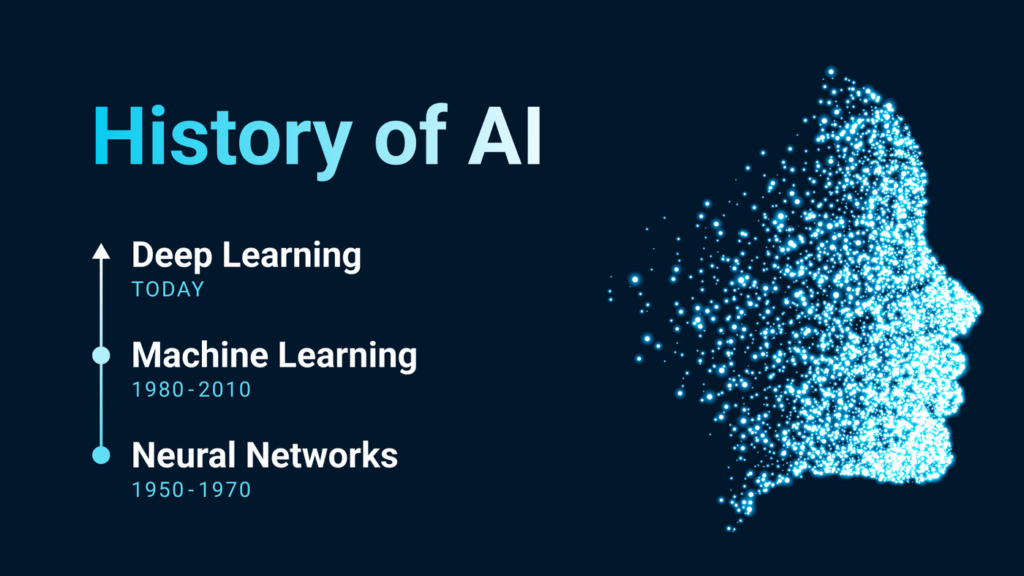
Artificial Intelligence refers to the ability of computer systems to perform tasks that normally require human intelligence. These tasks include learning, problem-solving, decision-making, language understanding, and pattern recognition. Unlike traditional software that follows a fixed set of instructions, AI systems can analyze information, learn from experience, and improve their performance over time.
The goal of AI is to create systems that can perform intelligent actions and assist humans in solving complex problems. Today, AI powers many technologies that people use daily, often without realizing it.
Why AI Matters in Today’s World
AI has become an essential technology because it enables organizations to process large amounts of data quickly and make informed decisions. Businesses use AI to improve efficiency, automate routine tasks, and deliver personalized customer experiences. Governments, educational institutions, and healthcare providers are also leveraging AI to solve challenges and improve services.
As digital transformation accelerates, AI is becoming a key driver of innovation and competitiveness. Understanding AI helps individuals adapt to technological changes and take advantage of emerging opportunities.
Machine Learning: The Foundation of Modern AI

One of the most important AI concepts is Machine Learning (ML). Machine Learning is a branch of AI that allows computers to learn from data without being explicitly programmed for every task.
Instead of relying solely on predefined instructions, machine learning systems identify patterns and use those patterns to make predictions or decisions. For example, streaming platforms use machine learning to recommend movies and shows based on user preferences.
Machine learning is widely used in applications such as recommendation systems, fraud detection, predictive analytics, and customer behavior analysis. It forms the foundation of many modern AI systems.
Understanding Deep Learning
Deep Learning is a specialized subset of machine learning that uses artificial neural networks inspired by the structure of the human brain. These neural networks consist of multiple layers that process information and identify complex relationships within data.
Deep learning has enabled significant breakthroughs in AI because it can handle large and complex datasets more effectively than traditional methods. Technologies such as facial recognition, speech recognition, image classification, and autonomous vehicles rely heavily on deep learning.
The increasing availability of computing power and data has accelerated the growth of deep learning applications across industries.
Neural Networks Explained
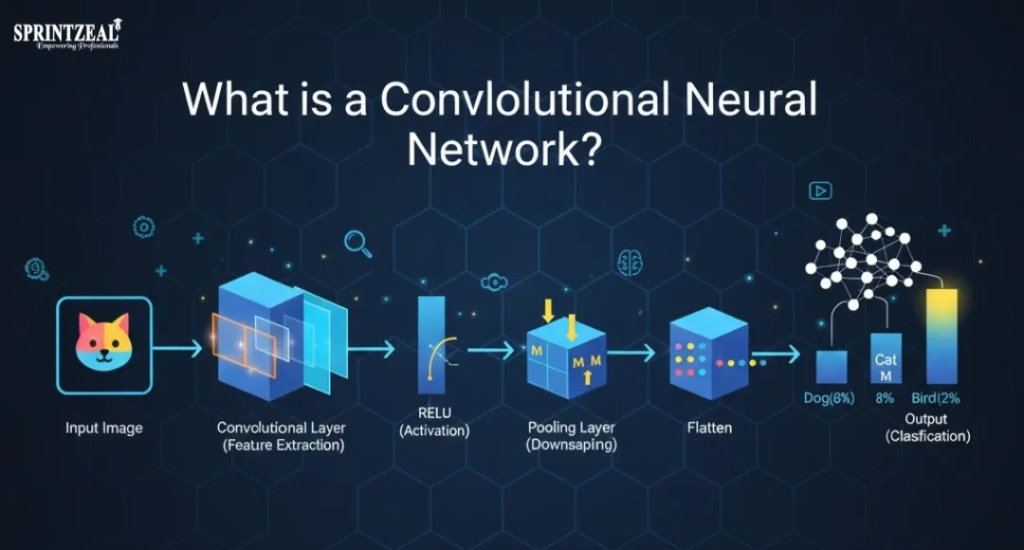
Neural networks are the building blocks of deep learning. They are designed to mimic how neurons in the human brain communicate and process information.
A neural network receives data, processes it through multiple layers, and produces an output. During training, the network adjusts its internal parameters to improve accuracy and performance.
Neural networks are particularly effective at recognizing patterns in large datasets. They are commonly used in applications involving images, speech, text, and predictive modeling.
Understanding neural networks provides valuable insight into how many advanced AI systems operate.
Natural Language Processing
Natural Language Processing (NLP) is the branch of AI that focuses on helping computers understand, interpret, and generate human language.
NLP enables machines to process written and spoken language in a way that feels natural to users. This technology powers chatbots, virtual assistants, language translation services, voice recognition systems, and AI writing tools.
Modern NLP systems have become increasingly sophisticated, allowing AI to understand context, answer questions, and generate human-like responses. As conversational AI continues growing, NLP remains one of the most important areas of artificial intelligence.
Computer Vision

Computer Vision is the field of AI that enables machines to interpret and understand visual information from the world around them.
Using cameras, sensors, and advanced algorithms, computer vision systems can identify objects, recognize faces, analyze images, and interpret video content. This technology is widely used in security systems, medical imaging, autonomous vehicles, manufacturing quality control, and retail analytics.
Computer vision helps AI interact with the physical world and make decisions based on visual data.
Generative AI and Content Creation
Generative AI is one of the fastest-growing areas of artificial intelligence. Unlike traditional AI systems that primarily analyze information, generative AI creates new content based on patterns learned from large datasets.
Generative AI can produce:
- Articles and blog posts
- Images and artwork
- Videos and animations
- Computer code
- Music and audio content
This technology is helping businesses accelerate content creation, improve productivity, and explore new forms of creativity. Generative AI has become a major force in digital transformation across industries.
Data: The Fuel Behind AI
Data is often described as the fuel that powers AI systems. Without data, AI models cannot learn, improve, or make accurate predictions.
AI systems are trained using large datasets that contain examples and information relevant to the task they need to perform. The quality, quantity, and diversity of this data significantly influence AI performance.
Organizations invest heavily in collecting, organizing, and managing data because it forms the foundation of successful AI initiatives.
High-quality data enables AI systems to deliver reliable and meaningful results.
AI Algorithms and Models
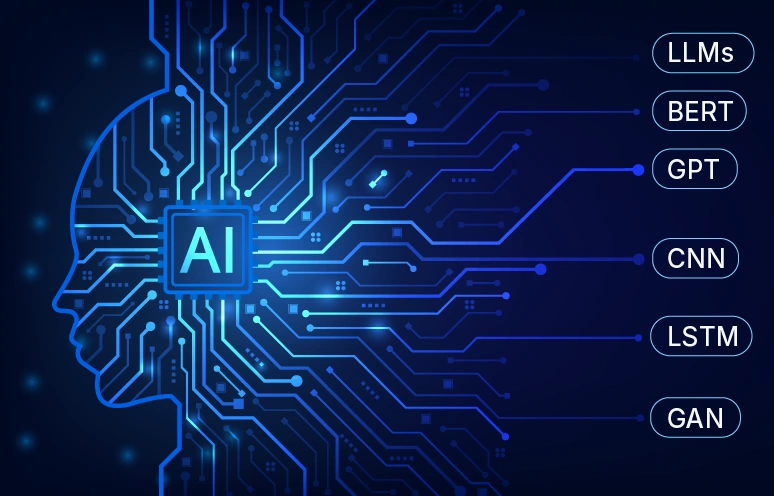
Algorithms are sets of rules or instructions that guide AI systems in learning and decision-making. AI models are created by training algorithms on data.
Different algorithms are designed for different tasks, including classification, prediction, recommendation, and pattern recognition. During training, models learn relationships within data and develop the ability to generate outputs based on new information.
Understanding algorithms and models helps explain how AI systems transform raw data into intelligent decisions.
Automation and Intelligent Decision-Making
One of the most practical applications of AI is automation. AI-powered systems can perform repetitive tasks faster and more accurately than manual processes.
Organizations use AI automation for activities such as customer support, scheduling, inventory management, workflow optimization, and data processing.
Beyond automation, AI also supports intelligent decision-making by analyzing information and providing recommendations. This capability helps businesses improve efficiency and respond more effectively to changing conditions.
Automation continues to be a major driver of AI adoption across industries.
Ethical Considerations in AI
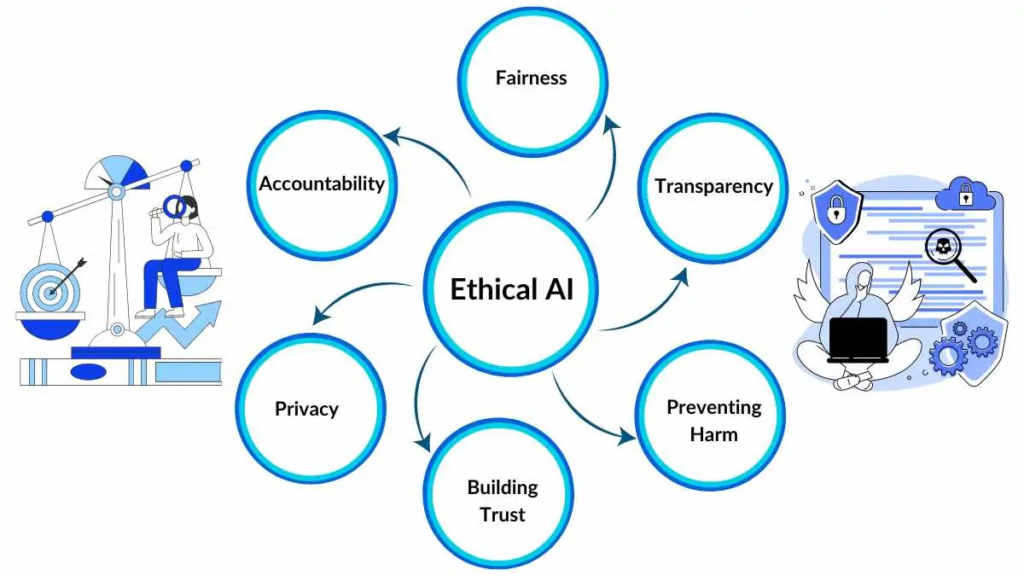
As AI becomes more integrated into society, ethical considerations are becoming increasingly important. Issues such as privacy, fairness, transparency, and accountability must be addressed to ensure responsible AI development.
AI systems can sometimes reflect biases present in training data or produce unintended outcomes. Organizations must implement safeguards to reduce risks and maintain public trust.
Ethical AI focuses on creating systems that are fair, transparent, secure, and aligned with human values. Responsible AI practices will play a critical role in shaping the future of technology
Real-World Applications of AI
AI is already impacting many aspects of everyday life and business operations. Common applications include virtual assistants, recommendation engines, fraud detection systems, healthcare diagnostics, educational technologies, smart home devices, and autonomous transportation systems.
Businesses use AI to improve customer experiences, optimize operations, and generate valuable insights from data. As technology advances, AI applications will continue expanding into new industries and use cases.
These real-world examples demonstrate the practical value of understanding AI concepts.
The Future of Artificial Intelligence
The future of AI is filled with exciting possibilities. Advances in machine learning, robotics, natural language processing, and automation are expected to create even more intelligent and capable systems.
Future AI developments may include personalized healthcare solutions, advanced educational platforms, smarter cities, autonomous transportation networks, and highly intelligent virtual assistants.
As AI continues evolving, individuals who understand its concepts and applications will be better prepared for future opportunities and challenges.
Conclusion
Artificial Intelligence is transforming the world by enabling machines to learn, analyze information, and perform tasks that traditionally required human intelligence. Concepts such as machine learning, deep learning, neural networks, natural language processing, computer vision, and generative AI form the foundation of modern AI systems.
For beginners, understanding these concepts provides a valuable starting point for exploring one of the most influential technologies of our time. As AI continues shaping industries and everyday life, building a strong understanding of its principles will become increasingly important.
Learning AI concepts today is an investment in understanding the technologies that will define the future.