
Artificial Intelligence (AI) has emerged as one of the most transformative technologies of the 21st century. Organizations across the globe are increasingly adopting AI to improve efficiency, automate repetitive tasks, enhance decision-making, and create innovative products and services. What was once considered a futuristic concept is now a practical business tool driving growth and digital transformation across industries.
From healthcare and finance to manufacturing and retail, AI is changing how businesses operate and compete. Companies are leveraging intelligent technologies to analyze large amounts of data, predict customer behavior, optimize operations, and deliver personalized experiences. As AI continues to evolve, its influence on industries is expected to expand even further, creating new opportunities while reshaping traditional business models.
Understanding the trends, benefits, and opportunities associated with AI is essential for organizations looking to remain competitive in an increasingly technology-driven world.
Understanding Artificial Intelligence in Industries
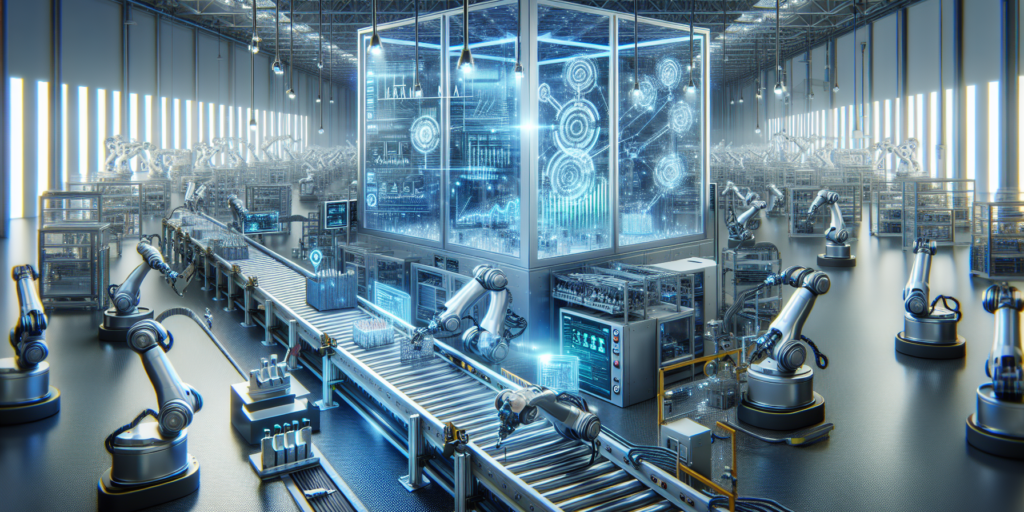
Artificial Intelligence refers to computer systems that can perform tasks requiring human-like intelligence, including learning, reasoning, problem-solving, language understanding, and decision-making. Unlike traditional software programs that follow predefined rules, AI systems can learn from data, adapt to changing conditions, and improve performance over time.
Industries use AI to process massive volumes of information quickly and accurately. By identifying patterns and generating insights, AI enables organizations to make smarter decisions and improve operational efficiency. The growing availability of data, cloud computing, and advanced machine learning technologies has accelerated AI adoption across multiple sectors.
Why AI Adoption Is Growing Rapidly
The increasing adoption of AI is driven by the need for businesses to improve productivity, reduce costs, and enhance customer experiences. Organizations generate enormous amounts of data every day, and AI provides the capability to analyze this information in real time. As competition intensifies across industries, businesses are turning to AI-powered solutions to gain strategic advantages and improve decision-making.
The accessibility of AI tools has also contributed to widespread adoption. Many AI-powered platforms are now available through cloud-based services, making advanced technologies accessible to businesses of all sizes. This democratization of AI has enabled startups, small businesses, and large enterprises to leverage intelligent systems without requiring extensive technical infrastructure.
Major AI Trends Transforming Industries
Several emerging trends are driving AI innovation and reshaping industries worldwide. One of the most significant trends is the rise of Generative AI, which can create text, images, videos, software code, and other forms of content. Businesses are using generative AI to accelerate content creation, product development, and customer engagement.
Another major trend is AI-powered automation. Organizations are increasingly automating repetitive processes such as data entry, customer support, scheduling, and workflow management. This allows employees to focus on higher-value tasks that require creativity and strategic thinking.
Predictive analytics is also becoming a critical business tool. AI systems can analyze historical data to forecast future trends, customer behavior, and market conditions. These predictive capabilities help organizations make proactive decisions and reduce business risks.
| AI Trend | Industry Impact |
|---|---|
| Generative AI | Content creation and innovation |
| Automation | Increased efficiency |
| Predictive Analytics | Better forecasting |
| AI Assistants | Enhanced productivity |
| Computer Vision | Improved monitoring and analysis |
These trends are creating new possibilities for businesses while driving digital transformation across industries.
AI in Healthcare

Healthcare is one of the most impactful sectors benefiting from AI technologies. Medical professionals use AI to analyze medical images, assist with diagnoses, predict patient outcomes, and develop personalized treatment plans. AI-powered systems can process vast amounts of medical data more quickly than traditional methods, helping healthcare providers improve accuracy and efficiency.
AI is also supporting drug discovery and medical research. By analyzing complex biological data, AI can identify potential treatment options and accelerate the development of new medications. Additionally, virtual health assistants and remote monitoring systems are helping improve patient care and accessibility.
As healthcare continues embracing digital transformation, AI is expected to play an even greater role in improving outcomes and reducing costs.
AI in Finance and Banking
The financial sector has been an early adopter of AI technologies. Banks and financial institutions use AI for fraud detection, risk assessment, customer service, and investment analysis. Machine learning algorithms can identify unusual transaction patterns and detect fraudulent activities in real time, helping organizations protect customers and reduce financial losses.
AI-powered chatbots and virtual assistants are improving customer service by providing instant support and handling routine inquiries. Financial organizations also use predictive analytics to assess credit risk, forecast market trends, and support investment decisions.
These applications demonstrate how AI is helping financial institutions improve security, efficiency, and customer experiences.
AI in Manufacturing

Manufacturing companies are leveraging AI to optimize production processes, reduce downtime, and improve product quality. Intelligent systems can monitor equipment performance, predict maintenance needs, and identify potential issues before they lead to costly failures.
Computer vision technologies help manufacturers inspect products for defects with greater accuracy and speed than traditional methods. AI-driven automation also enables smarter production planning and resource management.
The integration of AI into manufacturing environments is creating more efficient and responsive production systems capable of adapting to changing market demands.
AI in Retail and E-Commerce
Retailers are using AI to enhance customer experiences and improve operational efficiency. AI-powered recommendation systems analyze customer preferences and purchase histories to suggest relevant products, increasing engagement and sales.
Businesses also use AI for inventory management, demand forecasting, and dynamic pricing strategies. Customer service chatbots provide instant assistance, while predictive analytics help retailers understand market trends and consumer behavior.
These technologies enable retailers to deliver personalized shopping experiences while improving profitability and operational performance.
Benefits of AI Across Industries
AI offers numerous advantages that contribute to business success and innovation. One of the most significant benefits is increased efficiency. By automating repetitive tasks and streamlining workflows, AI allows organizations to accomplish more with fewer resources.
AI also improves decision-making by analyzing large datasets and generating actionable insights. Businesses can identify trends, predict outcomes, and make data-driven decisions more confidently.
Additional benefits include enhanced customer experiences, reduced operational costs, improved accuracy, and greater scalability. These advantages explain why AI adoption continues growing across industries.
Opportunities Created by AI
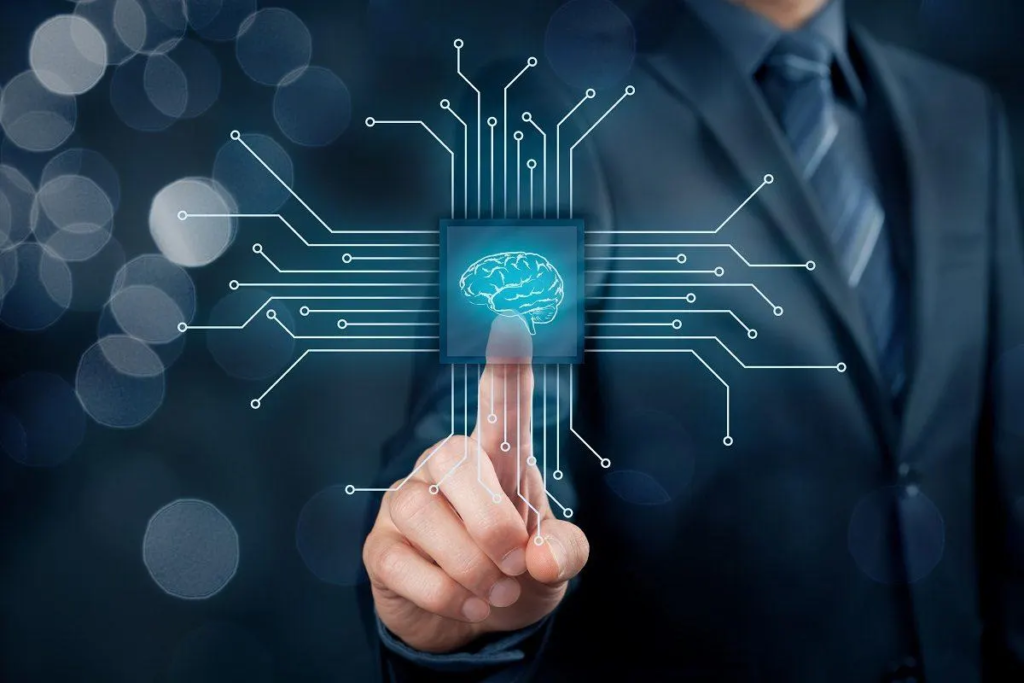
Artificial Intelligence is creating new opportunities for businesses, professionals, and entrepreneurs. Organizations can develop innovative products, improve customer engagement, and enter new markets through AI-powered solutions.
For professionals, AI is creating demand for skills related to machine learning, data science, automation, and AI strategy. As industries continue integrating intelligent technologies, career opportunities in AI-related fields are expected to expand significantly.
Businesses that embrace AI early may gain competitive advantages by improving efficiency, enhancing customer satisfaction, and accelerating innovation.
Challenges of AI Implementation
Despite its benefits, AI implementation presents several challenges. Organizations must address issues related to data privacy, cybersecurity, algorithmic bias, and regulatory compliance. Ensuring that AI systems are transparent, ethical, and secure is essential for maintaining public trust.
Another challenge involves workforce adaptation. As AI automates certain tasks, organizations must invest in employee training and skill development to prepare workers for evolving job requirements.
Successfully implementing AI requires careful planning, strong governance, and a commitment to responsible technology use.
The Future of AI in Industries
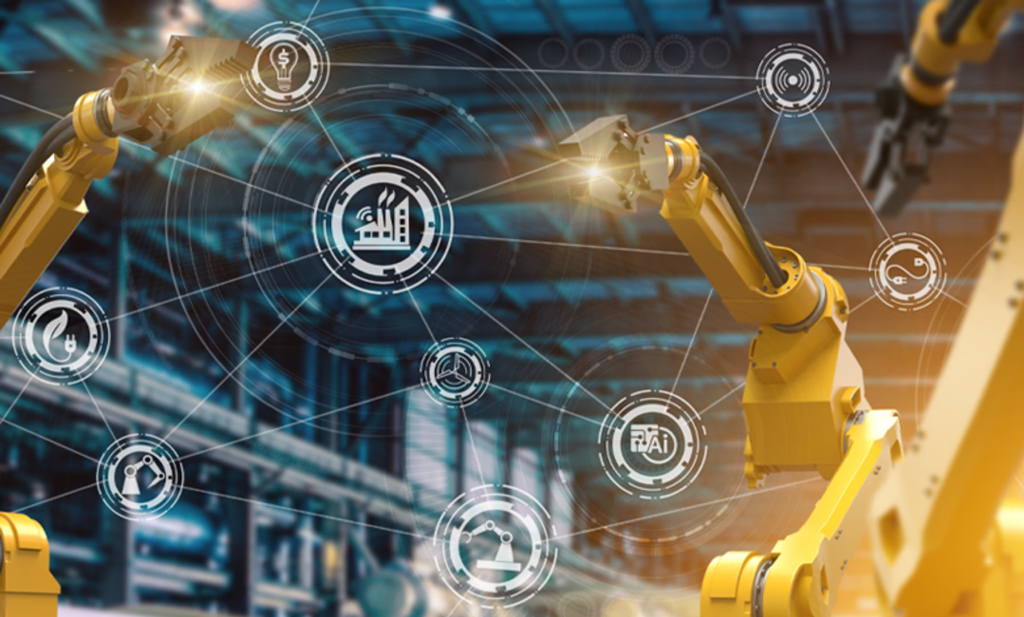
The future of AI in industries looks promising as advancements in machine learning, natural language processing, robotics, and automation continue accelerating. AI is expected to become increasingly integrated into business operations, enabling more intelligent decision-making and greater operational efficiency.
Future innovations may include autonomous business systems, advanced predictive analytics, personalized customer experiences, and highly sophisticated automation platforms. Industries that embrace AI-driven transformation will likely be better positioned to adapt to changing market conditions and emerging opportunities.
As AI technologies continue maturing, their impact on industries will become even more profound.
Conclusion
Artificial Intelligence is transforming industries by improving efficiency, enhancing decision-making, and creating new opportunities for innovation. From healthcare and finance to manufacturing and retail, AI is helping organizations solve complex challenges and deliver better products and services.
The growing adoption of AI reflects its ability to generate measurable business value while driving digital transformation. Although challenges related to privacy, ethics, and workforce adaptation remain important considerations, the benefits of AI continue encouraging widespread implementation.
Organizations that understand and embrace AI technologies today will be better prepared to succeed in the increasingly intelligent and connected industries of the future.
FAQs
1. What is Artificial Intelligence in industries?
AI in industries refers to the use of intelligent technologies to automate tasks, analyze data, and improve business operations.
2. Which industries use AI the most?
Healthcare, finance, manufacturing, retail, transportation, and technology sectors are among the leading adopters of AI.
3. How does AI improve business efficiency?
AI automates repetitive tasks, analyzes large datasets, and helps optimize workflows.