
Artificial Intelligence (AI) has become an essential part of modern life, influencing how people work, communicate, shop, learn, and entertain themselves. While many people associate AI with advanced robots or futuristic technology, the reality is that AI is already deeply integrated into everyday activities.
From unlocking smartphones with facial recognition to receiving personalized recommendations on streaming platforms, AI works behind the scenes to make life more convenient and efficient. As technology continues to advance, AI is becoming increasingly important in helping individuals and businesses save time, improve productivity, and make smarter decisions.
What Is Artificial Intelligence?

Artificial Intelligence refers to computer systems that can perform tasks that typically require human intelligence. These tasks include understanding language, recognizing patterns, analyzing data, learning from experience, and making decisions. Unlike traditional software that follows fixed instructions, AI systems can adapt and improve based on the information they process.
This ability to learn and evolve makes AI one of the most powerful technologies of the digital age. Today, AI is used across industries and has become a key driver of innovation and technological progress.
AI in Smartphones and Personal Devices
Smartphones are one of the most common examples of AI in everyday life. Modern mobile devices use AI to enhance user experiences through features such as facial recognition, voice assistants, predictive text, smart photography, and battery optimization. AI helps smartphones understand user behavior and preferences, allowing devices to provide personalized recommendations and improve performance automatically.
Camera systems powered by AI can adjust lighting, recognize scenes, and enhance image quality instantly, making professional-looking photography accessible to everyone.
Virtual Assistants Simplifying Daily Tasks

Virtual assistants have become increasingly popular because they allow users to interact with technology using natural language. AI-powered assistants can answer questions, provide weather updates, set reminders, manage calendars, play music, and control smart home devices.
These systems use Natural Language Processing (NLP) to understand spoken language and generate meaningful responses.
As AI technology improves, virtual assistants are becoming more accurate and capable of handling complex tasks, making them valuable tools for personal and professional productivity.
AI in Search Engines and Information Access
Search engines have transformed how people access information, and AI plays a crucial role in delivering accurate and relevant results. When users enter a search query, AI algorithms analyze keywords, user intent, previous behavior, and context to provide the most useful information. This intelligent processing helps users find answers quickly without needing to browse through large amounts of content manually.
AI-powered search technologies continue improving the speed and accuracy of online information retrieval.
Personalized Recommendations and Entertainment

One of the most visible applications of AI is personalized recommendation systems. Streaming platforms, social media networks, online marketplaces, and music services use AI to analyze user behavior and suggest relevant content. By studying viewing habits, purchase history, and user preferences, AI systems can recommend movies, songs, products, articles, and videos that match individual interests. These personalized experiences increase user satisfaction while helping businesses improve engagement and customer retention.
AI in Online Shopping and E-Commerce
Artificial Intelligence has revolutionized online shopping by creating more personalized and efficient customer experiences. E-commerce platforms use AI to recommend products, analyze consumer behavior, optimize pricing strategies, and improve inventory management. AI-powered chatbots provide instant customer support, answer questions, and assist shoppers throughout the purchasing process.
By analyzing large amounts of data, AI helps businesses understand customer preferences and deliver more targeted marketing campaigns, resulting in better shopping experiences and increased sales.
Smart Homes and Connected Living

Smart home technology is another area where AI is making a significant impact. AI-powered devices such as smart speakers, thermostats, lighting systems, and security cameras help automate household tasks and improve convenience.
These devices learn user habits and preferences over time, allowing them to adjust settings automatically for greater comfort and energy efficiency. For example, smart thermostats can optimize heating and cooling based on daily routines, while intelligent security systems can identify unusual activity and send real-time alerts.
AI in Transportation and Navigation
Transportation systems increasingly rely on AI to improve efficiency, safety, and convenience. Navigation applications use AI to analyze traffic conditions, predict travel times, and recommend the fastest routes.
Ride-sharing services use intelligent algorithms to match drivers with passengers efficiently. AI is also playing a major role in the development of autonomous vehicles, which use advanced sensors, machine learning, and computer vision technologies to navigate roads safely. These innovations are helping create smarter and more efficient transportation networks.
AI in Healthcare and Wellness
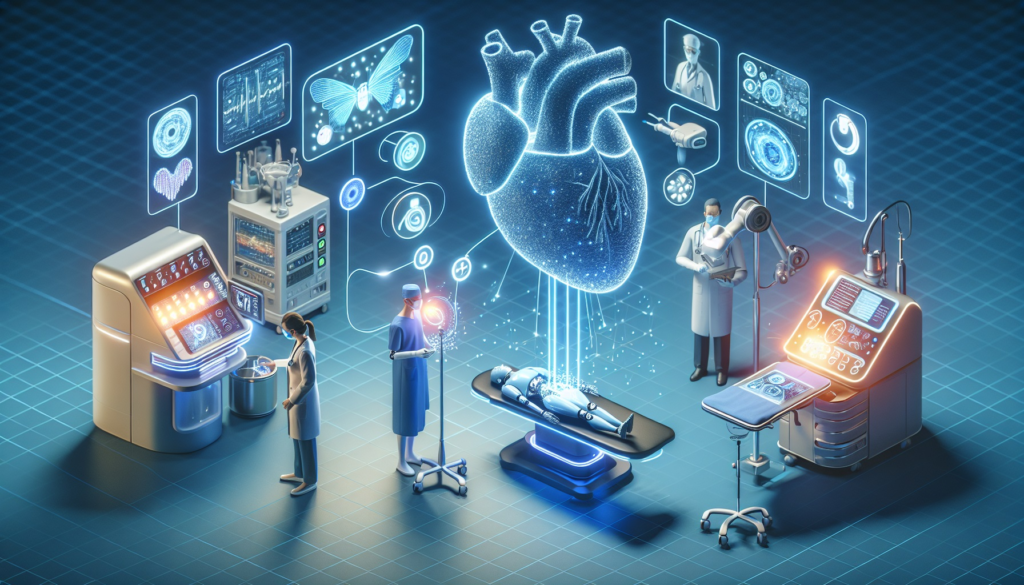
Healthcare is one of the most impactful areas where AI is improving lives. Medical professionals use AI to analyze medical images, assist with diagnoses, monitor patients, and develop personalized treatment plans. AI-powered health applications help individuals track fitness goals, monitor heart rates, analyze sleep patterns, and receive wellness recommendations. By processing large amounts of medical data quickly and accurately, AI supports healthcare providers in delivering better patient care and improving health outcomes.
AI in Education and Learning
Education is undergoing significant transformation through the use of AI technologies. AI-powered learning platforms can personalize educational content based on a student’s learning style, strengths, and weaknesses.
These systems provide instant feedback, recommend study materials, and help track academic progress. AI also supports teachers by automating administrative tasks and providing insights into student performance.
As digital learning continues expanding, AI is making education more accessible, engaging, and effective for learners worldwide.
AI in Workplace Productivity
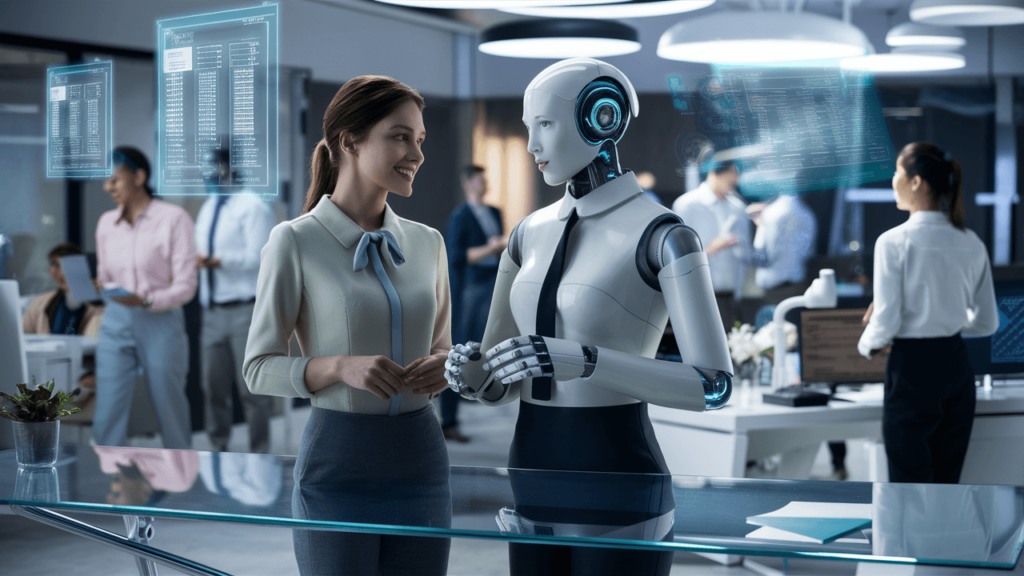
Businesses across industries are using AI to improve productivity and streamline operations. AI-powered tools help automate repetitive tasks such as scheduling, email management, data analysis, and customer support. Employees can focus more on strategic and creative work while AI handles routine processes. Many organizations use AI for content creation, market research, workflow automation, and decision-making support. As workplace technologies continue evolving, AI is becoming an essential component of modern business operations.
Challenges and Ethical Considerations
Despite its many advantages, AI also presents challenges that must be addressed responsibly. Concerns about privacy, data security, algorithmic bias, and transparency have become increasingly important as AI adoption grows.
Organizations must ensure that AI systems are designed and implemented ethically while protecting user information and minimizing potential risks. Responsible AI development requires ongoing monitoring, clear regulations, and a commitment to fairness and accountability.
The Future of AI in Daily Life
The future of AI promises even greater levels of innovation and convenience. Advances in machine learning, natural language processing, robotics, and automation will continue expanding AI capabilities across industries. Future AI systems may provide highly personalized healthcare, intelligent transportation networks, advanced educational experiences, and more sophisticated smart home environments. As technology becomes increasingly connected, AI will play a central role in shaping the future of society and transforming everyday experiences.
Conclusion
Artificial Intelligence has become a powerful force in daily life, enhancing convenience, efficiency, and productivity across countless activities. Whether through smartphones, virtual assistants, online shopping platforms, healthcare systems, or educational tools, AI is helping people accomplish tasks more effectively and access better services. While challenges related to privacy and ethics remain important, the benefits of AI continue driving widespread adoption and innovation. As AI technology evolves, its influence on daily life will only continue to grow, making it an essential part of the modern digital world.
FAQs
1. What is AI in daily life?
AI in daily life refers to artificial intelligence technologies used in everyday devices, applications, and services.
2. How do smartphones use AI?
Smartphones use AI for facial recognition, voice assistants, photography enhancements, and predictive text.
3. How does AI improve online shopping?
AI recommends products, personalizes experiences, and supports customer service through chatbots.