
We’ve all lived through that annoying moment: you crawl into AI bed, get completely comfortable under a warm blanket, and then realize you left the kitchen light on. Or maybe you’re sitting on the couch on a freezing evening, shivering because nobody wants to get up to tweak the thermostat.
A few years ago, the solution was to pull out your smartphone, hunt down an app, wait for it to load, find the right room, and tap a button. Sure, it was neat, but let’s be honest—it wasn’t smart. You were still doing all the heavy lifting and mental math.
In 2026, smart home technology has finally grown up. We’ve moved past clunky app controls and gimmick gadgets that break every time the Wi-Fi hiccups. Thanks to practical, background artificial intelligence, your living space no longer just waits for orders—it learns how you actually live, anticipates what you need, and quietly handles the small, tedious details of daily life.
Real home automation isn’t about showing off futuristic gadgets to impress your friends. It’s about creating a calm, effortless home that gives you time back, lowers your stress, and feels like a sanctuary rather than another project you have to manage.
What Does “AI in the Home” Actually Mean?

Let’s strip away the corporate jargon. AI in a modern smart home simply means your house is paying attention.
Traditional smart devices are reactive: you flip a switch, tap a screen, or bark a rigid voice command, and the device responds. AI-powered smart homes are proactive. They observe patterns, notice your quirks, factor in the weather, and adjust things without making a fuss.
Instead of setting five different timers, an intelligent home notices that you usually start winding down around 9:30 PM. It gradually dims the lights to a warm hue, drops the bedroom temperature a couple of degrees, locks the front door, and arms the perimeter—all without you lifting a finger or saying a single word.
It shifts technology from a tool you have to operate to a helper that simply supports your day.
15 Ways AI Is Silently Upgrading Daily Life

1. Lighting That Tracks Your Energy
Fumbling for light switches in the pitch dark or getting blinded by harsh overhead bulbs during a midnight trip to the bathroom is the worst. Intelligent lighting systems learn your schedule and mirror natural sunlight throughout the day. In the morning, the lights shift to a cool daylight tone to help your brain wake up. As evening approaches, they automatically drop to warm, soft tones so your body can wind down for sleep.
2. Climate Control That Learns Your Comfort Zone
Traditional thermostats execute rigid schedules. If you come home early on a Tuesday, the schedule falls apart, leading to wasted energy or a freezing living room. AI-driven climate systems learn how fast your home heats up or cools down based on outdoor humidity and drafts. They make sure your home office is cool during focus hours and the living room is cozy when you settle in for the night.
3. Voice Assistants You Can Speak to Like a Friend
Remember when using voice assistants meant speaking like a robot, carefully enunciating every single word, only to hear “I’m sorry, I didn’t get that”? Thankfully, those days are dead. Modern voice AI understands natural speech, context, and multi-step requests. You can casually say, “Hey, it feels a bit drafty in here and the television is way too loud,” and the system simultaneously cranks the heat up and turns down the volume.
4. Security Cameras That Know the Difference Between a Cat and a Burglar
Older smart cameras were infamous for crying wolf. A passing shadow, a stray cat, or a waving tree branch would trigger a panicked smartphone alert, spiking your heart rate at work for no reason. AI vision models filter out the noise. Your system instantly knows the difference between your kid jumping on the trampoline, a delivery driver dropping off a box, or an unfamiliar person lingering near your back door.
5. Robot Vacuums That Don’t Eat Your Phone Chargers
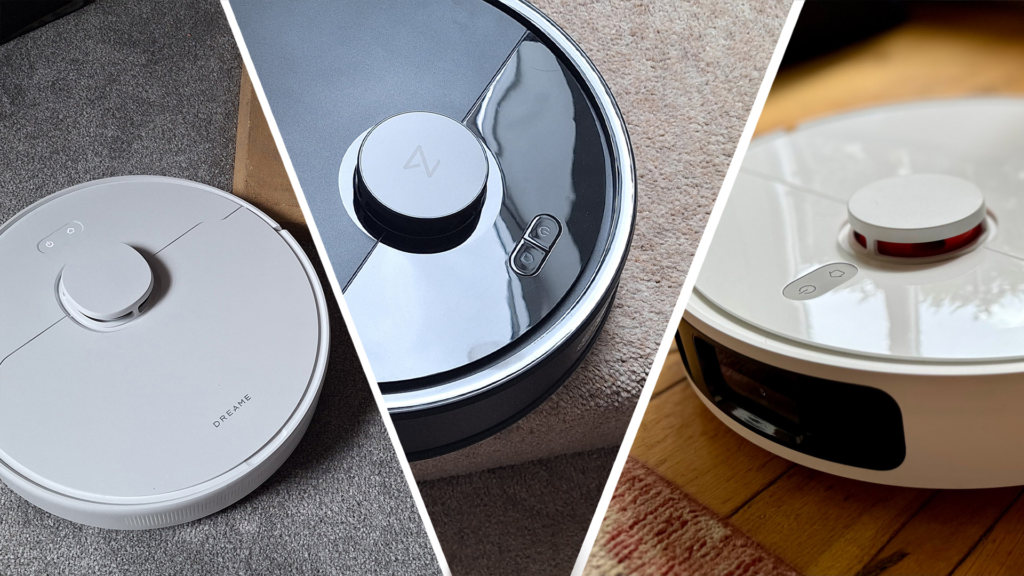
Early robot vacuums were notorious for getting stuck under dining chairs, swallowing loose socks, or smearing pet accidents across the rug. Today’s robotic cleaners use advanced spatial mapping to dodge obstacles in real time. They spot power cords, shoes, and pet toys, maneuvering gracefully around them while switching suction levels depending on whether they’re on hardwood or thick carpet.
6. Appliances That Take the Stress Out of Chores
Laundry and cooking eat up a massive chunk of mental bandwidth. Modern intelligent appliances are designed to eliminate decision fatigue. Washing machines weigh your clothes and automatically dispense the exact amount of detergent required. Ovens equipped with internal cameras recognize standard foods, suggesting optimal cooking temperatures so you never burn dinner again.
7. One-Touch Whole-Home Routines
Controlling dozens of devices one by one is exhausting. The real magic happens when multiple systems coordinate. A single “Movie Night” routine can lower the blinds, kill the overhead lights, bring ambient backlighting to a warm glow, set the thermostat for cozy lounging, and turn on the soundbar with one quick tap or word.
8. Intelligence That Kills Energy Waste
Nobody wants to spend hours reading energy meters or studying complex utility rates. Intelligent home monitoring tracks how much electricity individual appliances draw in real time. It spots hidden power drains—like an old garage fridge struggling on its last legs—and automatically shifts energy-intensive tasks (like running the dishwasher) to off-peak hours when electricity is cheapest.
9. Centralized Awareness That Stops Morning Panic
We’ve all experienced that creeping sense of dread halfway down the highway: Did I close the garage door? Did I lock the front door? Integrated smart home systems bring all your sensors into a single view. If you did leave the garage open, the system can ping your phone as you pull out of the neighborhood and ask if you want it closed automatically.
10. Personalized Entertainment Without Endless Scrolling
Spending 45 minutes scrolling through streaming menus trying to pick a movie is a terrible way to relax on a Friday night. Smart entertainment hubs recognize who is sitting on the couch and offer tailored recommendations based on what you actually enjoy watching, saving you from menu fatigue.
11. Kitchen Assistants That Keep Meals Simple

Deciding what to cook after an exhausting workday is a massive chore. Smart kitchen assistants can track what’s sitting in your fridge, note expiration dates, and toss out customized recipe ideas based on ingredients you already have on hand. They can even auto-add milk or eggs to a shared digital grocery list when supplies run low.
12. Maintenance Sensors That Catch Disasters Early
Water leaks and furnace failures can cost thousands of dollars in damages if caught too late. Inexpensive smart sensors can now detect micro-vibrations, unusual moisture levels, or electrical dips before equipment fails outright. A moisture sensor under the washing machine can spot a tiny drip long before it becomes a flooded house.
13. Household Schedules That Keep Everyone Sane
Managing family schedules, school activities, and trash days can feel like a full-time job. AI assistants can pull together calendars and personal reminder lists for every family member. A central family display can highlight who needs to be picked up from practice and announce upcoming appointments automatically so nothing gets lost in the shuffle.
14. Real Accessibility for Aging Family Members
For aging relatives or individuals with mobility challenges, standard light switches and heavy door handles can be real barriers. Voice-controlled access, automated doors, and fall-detection sensors allow people to maintain their independence safely. If an elderly relative falls, intelligent monitoring can detect the event and immediately contact family members.
15. Ecosystems That Actually Talk to Each Other

In the early days of smart tech, buying devices was a risky gamble because half your gadgets couldn’t talk to each other. The widespread adoption of unified smart standards (like Matter and Thread) means modern AI hubs seamlessly manage devices across different brands without requiring a computer science degree to configure.
Real-World Reality Check: Common Smart Home Snafus
| Smart Home Mistake | Why It Painfully Backfires | The Human-Centered Solution |
| Buying tech for tech’s sake | Over-complicating simple stuff leads to tech burnout and fights with your family. | Only automate things that genuinely annoy you or waste obvious amounts of time. |
| Ignoring physical switches | Guests shouldn’t need an app or a voice lesson just to use the bathroom light. | Use smart wall switches that keep physical buttons alongside automated features. |
| Forgetting offline fallbacks | If your system breaks down when the Wi-Fi drops, your house becomes a brick. | Make sure doors, lights, and heat always have manual, physical overrides. |
| Neglecting privacy | Leaving default passwords exposes your home network to unwanted eyes. | Secure your router, use two-factor auth, and review device permissions yearly. |
A Step-by-Step Blueprint to Start Small
You don’t need to blow your savings or tear open walls to build a great smart home. Trying to automate everything in a single weekend is a guaranteed recipe for a meltdown.
+------------------+-----------------------------------------------------------------------+
| Phase            | Practical Action Steps                                                |
+------------------+-----------------------------------------------------------------------+
| 1. Fix One Headache| Identify your single biggest annoyance (e.g., cold morning bedroom or  |
|                  | fumbling for keys) and buy one targeted device to fix it.            |
+------------------+-----------------------------------------------------------------------+
| 2. Pick a Hub    | Choose one primary ecosystem (Apple Home, Google Home, or Amazon)    |
|                  | and stick to it for all future purchases so everything talks nicely.  |
+------------------+-----------------------------------------------------------------------+
| 3. Set Routines  | Build 2-3 essential routines: a gentle morning wakeup, a secure      |
|                  | "goodnight" lockdown, and an energy-saving "away" mode.               |
+------------------+-----------------------------------------------------------------------+
Frequently Asked Questions
Q: Will an AI smart home still work if my internet goes down?
A: Yes, if you set it up right! Essential local features—like physical light switches, manual door locks, and basic thermostat controls—will still work manually. Modern hubs process most daily routines locally inside the house rather than relying completely on the cloud.
Q: Isn’t putting AI devices everywhere a massive privacy risk?
A: It can be if you aren’t careful. Stick to reputable brands, turn off voice recording storage options in your settings, keep your Wi-Fi password strong, and put smart home devices on a separate guest network so they can’t peek at your personal computer.
Q: Do I need to be super tech-savvy to set all this up?
A: Not anymore. Thanks to newer smart home standards like Matter, setting up a device is usually as simple as scanning a QR code with your phone camera. If you can order a package online, you can set up a modern smart device.
Q: How much money does an AI thermostat actually save on bills?
A: On average, most households see a 10% to 15% drop in heating and cooling costs. The system pays for itself over time simply by making sure you aren’t heating or cooling an empty house when nobody is home.