
Artificial Intelligence (AI) is no longer just a futuristic concept—it’s a technology that’s transforming the way we work, learn, and solve everyday problems. From chatbots and virtual assistants to self-driving cars and smart recommendations, AI has become an essential part of modern life. If you’re curious about AI but don’t know where to begin, don’t worry. With the right tutorials and a structured learning path, anyone can start learning AI, regardless of their background.
This beginner-friendly guide explains what AI is, why learning it matters, and how you can start building your AI skills in 2026.
What Is Artificial Intelligence?
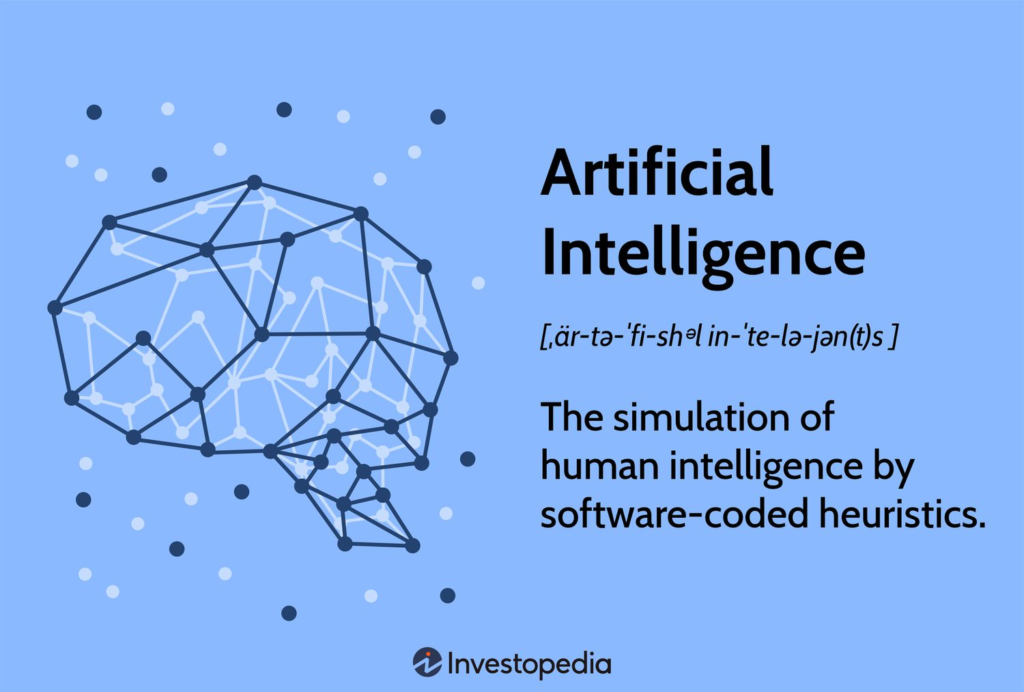
Artificial Intelligence refers to computer systems that can perform tasks that usually require human intelligence. These tasks include learning from data, recognizing patterns, understanding language, solving problems, and making decisions.
AI powers many of the digital tools we use every day. Voice assistants like Siri and Google Assistant, streaming recommendations on Netflix, spam filters in email, and AI chatbots are all examples of artificial intelligence in action. Understanding these basics is the first step toward learning how AI works and how it can be applied in different industries.
Why Should You Learn AI?

Learning AI opens the door to exciting career opportunities and helps you understand one of the fastest-growing technologies in the world. Businesses across industries—including healthcare, finance, education, marketing, and manufacturing—are using AI to improve efficiency and make better decisions.
Even if you don’t plan to become an AI engineer, understanding AI can help you work more effectively with modern tools, automate repetitive tasks, and stay competitive in today’s job market. As AI continues to evolve, having basic knowledge of the technology will become increasingly valuable.
Start with the Fundamentals

Before diving into advanced AI concepts, it’s important to build a strong foundation. Begin by learning how AI differs from machine learning and deep learning, as these terms are often used together but have different meanings. You should also understand basic concepts such as algorithms, data, neural networks, and automation.
Taking time to learn these fundamentals will make more advanced topics much easier to understand later.
Learn Basic Programming Skills
Programming is an important part of AI development. While you don’t need to be an expert coder to begin, learning a beginner-friendly programming language like Python will make your AI journey much smoother.
Python is widely used because of its simple syntax and powerful libraries that support data analysis, machine learning, and AI development. Understanding variables, loops, functions, and basic programming concepts will prepare you for hands-on AI projects.
Explore Machine Learning Basics
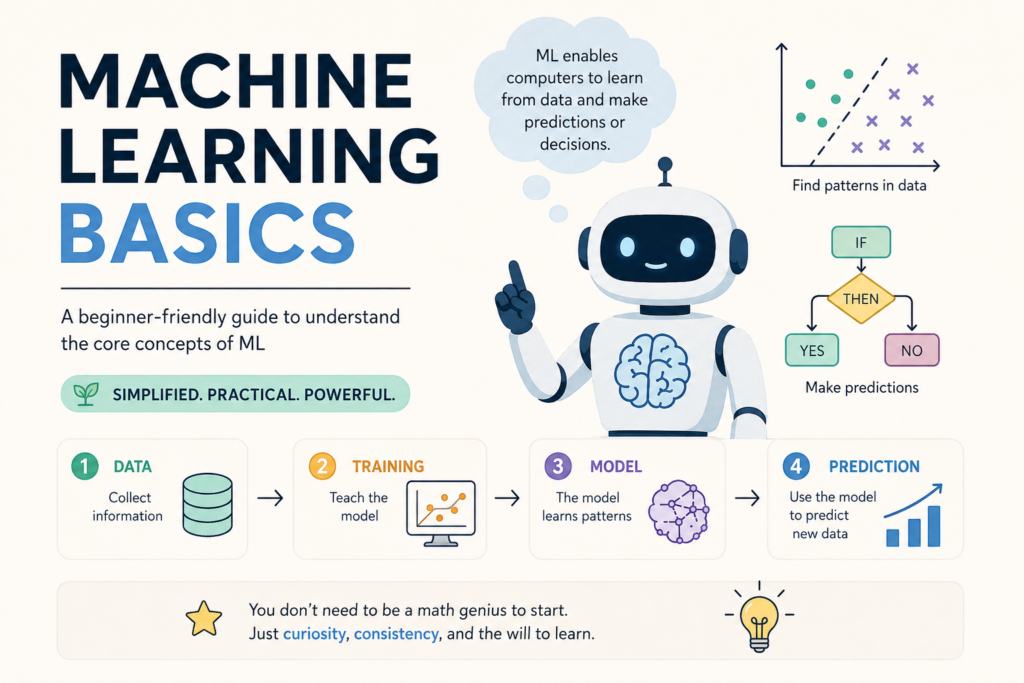
Machine learning is one of the most popular branches of AI. Instead of being explicitly programmed for every task, machine learning models learn from data and improve over time.
As a beginner, focus on understanding concepts such as supervised learning, unsupervised learning, datasets, model training, and predictions. You don’t need to master complex mathematics immediately—start by learning how machine learning works through practical examples and beginner tutorials.
Practice with Hands-On Projects

The best way to learn AI is by applying what you’ve studied. Working on small projects helps you understand concepts more effectively and builds confidence as you gain experience.
You can begin with simple projects like creating a chatbot, classifying images, analyzing datasets, or building a recommendation system. Practical experience also helps you develop a portfolio that can be useful when applying for internships or jobs
Use AI Tools to Enhance Your Learning

Modern AI tools can make learning easier by helping you understand coding concepts, generate ideas, summarize complex topics, and practice problem-solving. They can act as learning assistants rather than replacing the need to understand the fundamentals.
Using AI responsibly while continuing to study core concepts will help you develop stronger skills and become a more independent learner
Stay Updated with AI Trends
Artificial Intelligence is evolving rapidly, with new tools, models, and techniques being introduced regularly. Following AI blogs, technology news, online communities, and educational resources can help you stay informed about the latest developments.
Keeping up with industry trends ensures that your knowledge remains current and helps you discover new learning opportunities as the field continues to grow.
Build a Consistent Learning Routine

Learning AI doesn’t happen overnight. Setting aside regular time each week for studying, practicing, and experimenting will help you make steady progress. Rather than trying to learn everything at once, focus on one topic at a time and gradually build your knowledge.
Consistency is more important than speed. Even dedicating a few hours each week can lead to significant improvement over time.
Career Opportunities After Learning AI

AI skills are in high demand across many industries. Once you’ve built a solid foundation, you can explore career paths such as AI Engineer, Machine Learning Engineer, Data Scientist, AI Research Assistant, Data Analyst, Robotics Engineer, or AI Product Manager.
Many professionals also use AI knowledge in fields like digital marketing, finance, education, healthcare, and software development to improve productivity and solve real-world problems.
Frequently Asked Questions (FAQs)
1. Can I learn AI without a technical background?
Yes. Many beginner-friendly AI tutorials are designed for people with no prior experience in programming or computer science. Starting with the basics and learning step by step makes AI accessible to anyone.
2. Which programming language is best for learning AI?
Python is the most popular programming language for AI because it is easy to learn and offers powerful libraries for machine learning, data analysis, and artificial intelligence.
3. How long does it take to learn AI?
The learning timeline depends on your goals and the time you dedicate to studying. You can understand the fundamentals in a few months, while mastering advanced AI concepts may take a year or more with consistent practice.
4. Do I need to know mathematics to learn AI?
Basic knowledge of mathematics, such as algebra, probability, and statistics, is helpful. However, many beginner tutorials focus on practical learning first and introduce mathematical concepts gradually.
5. What are the best beginner AI projects?
Simple projects like chatbots, image classification, sentiment analysis, recommendation systems, and data visualization are excellent ways to apply what you’ve learned.