
Let’s be honest: when we talk about Artificial Intelligence, it is easy to picture a sleek, slightly scary future run by robots. But the truth is much more ordinary—and a lot more interesting. AI didn’t arrive in a flash of lightning. It slipped into our lives quietly, hiding inside the apps we check before we even get out of bed. It’s the invisible helper that adjusts our driving routes when there is a crash ahead, finishes our sentences when we are typing an email, and curates the music that keeps us company while we cook dinner.
We have entered a brand-new era where lines of code are becoming our daily partners. This technology isn’t just changing our gadgets; it is completely shifting how we think, how we create, and how we relate to the world around us.
The Silent Partner in Your Pocket
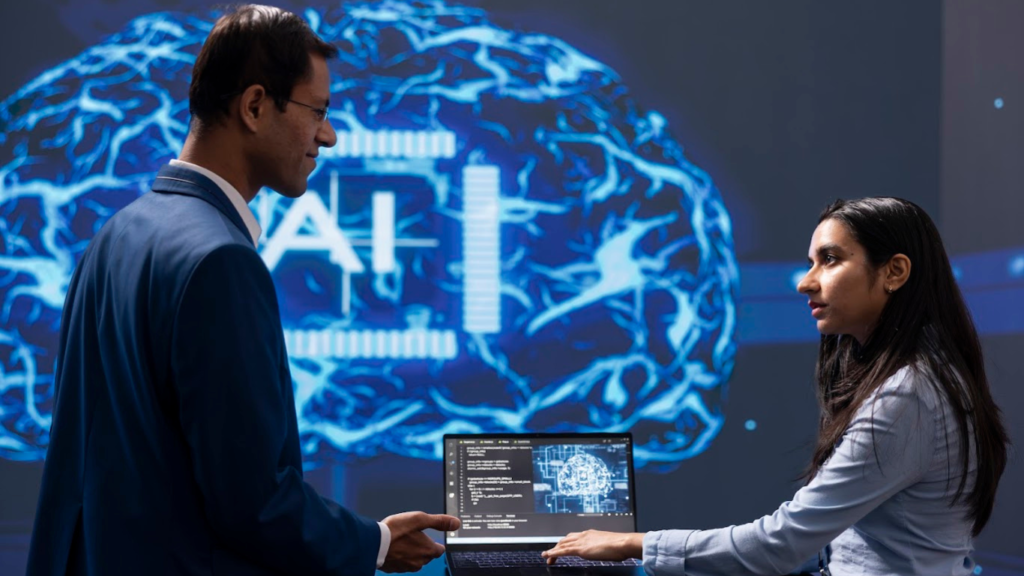
The most brilliant piece of engineering is the one you don’t even notice. We tend to think of advanced tech as something complex, but its real success lies in how naturally it fits into our human routines. When you open a map app to find your way through an unfamiliar city, you aren’t just looking at a digital drawing. You are interacting with thousands of live data points, handled by an algorithm that instantly calculates the fastest path to your destination.
[Your Daily Routine] ──► [A Invisible Assistant] ──► [A Seamless Day]
Step inside the business world, and you’ll see the exact same thing happening. Those annoying, robotic automated customer menus are finally growing up, turning into intelligent virtual assistants that can actually understand a frustrated customer and solve a problem without passing them around a call center. By letting smart software handle the mind-numbing data entry and paperwork, human workers are finally getting the space to do what they do best: talk to people, solve strange problems, and think outside the box.
Technology with a Soft Touch: Health and Classrooms
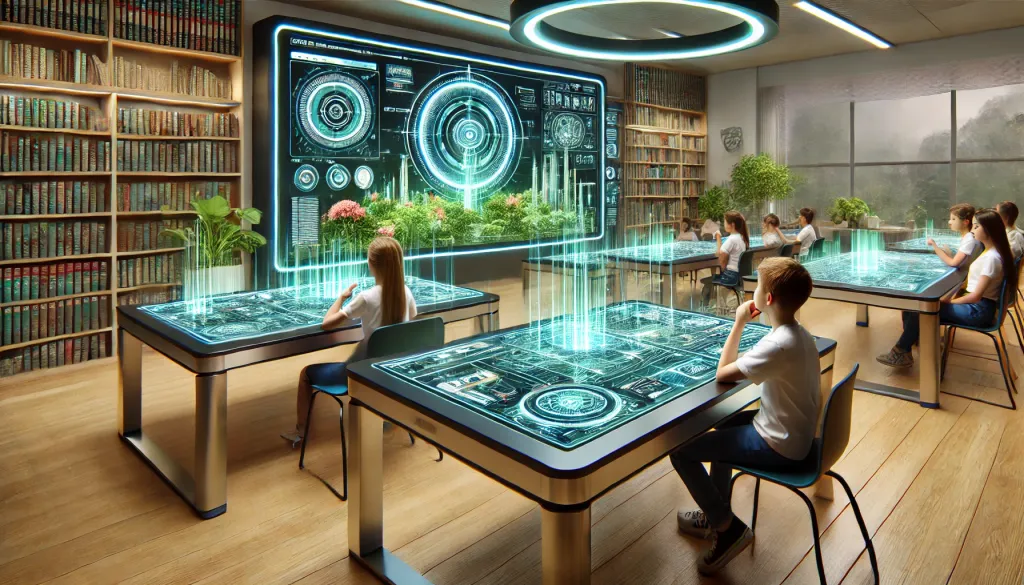
Where this technology becomes truly beautiful is when it stops being about corporate efficiency and starts being about human care. In hospitals and schools, smart tools are acting like an extra set of incredibly sharp eyes, helping doctors and teachers give people the deeply personal attention they deserve.
- A Lifesaving Assistant for Doctors: Advanced scanning software can look at a medical image and catch a tiny, hidden detail that a tired human eye might miss, supporting early, life-saving care.
- A Teacher Who Changes for Every Kid: Smart learning programs don’t treat a classroom like a single unit. They figure out exactly where a student is struggling and change the lessons on the fly to match their pace.
- Giving Time Back to Caregivers: By taking over hours of daily charting and paperwork, these tools let nurses and educators focus on the actual humans in front of them.
Imagine a world where a doctor can use deep data analysis to build a treatment plan around your exact genetic makeup, or where a teacher instantly knows a child is stuck on a math concept before they even fail the test. That is the real promise of this digital shift—it isn’t about making our lives colder and more mechanical; it is about using smart tools to make our care more precise and human.
Rethinking the 9-to-5 Landscape

It is completely natural to feel a little anxious about what all this means for our livelihoods. We have all seen the headlines wondering if software is coming for our jobs. It is true that position titles are shifting, and chores that involve basic sorting, filing, or copying are quickly disappearing into automated systems. But if we look back at history, every single major invention—from the printing press to the internet—shook up the workforce, only to create something richer on the other side.
             THEN                                            NOW
   ┌──────────────────────┐                        ┌──────────────────────┐
   │ Copying spreadsheets │   (Handing over the)   │ Solving big puzzles  │
   │ Filing tax documents │───( boring stuff to )─►│ Designing strategies │
   │ Typing up schedules  │   (    the code    )   │ Connecting with fits │
   └──────────────────────┘                        └──────────────────────┘
When we hand over the repetitive, soul-crushing parts of our work to machines, we open up room for the things that make us human. A computer can analyze a spreadsheet in milliseconds, but it cannot understand office dynamics, feel empathy for a stressed client, or come up with a brilliant, artistic ad campaign. The modern workspace is looking for people who can bring these human strengths to the table, alongside new roles like data ethics guardians and tech translation guides. The future doesn’t belong to the smartest machine; it belongs to the person who knows how to collaborate with it.
Facing the Blind Spots of the Algorithm
We cannot celebrate the breakthroughs without having an honest conversation about the risks. These smart systems are built on massive mountains of data, and that reality brings up serious questions about who is watching us, how our personal information is stored, and who profits from our digital footprints.
                     ┌───────────────────────────────────────────────┐
                     │          THE STICKY CODES OF PROGRESS         │
                     └───────────────────────┬───────────────────────┘
                                             │
    The Privacy Trap ────────────────────────┼─── Endless tracking of human habits
                                             │
    The Mirror of Bias ──────────────────────┼─── Code copying old human mistakes
                                             │
    The Truth Dilemma ───────────────────────┼─── Deepfakes making reality optional
                                             │
The scariest thing about a machine is that it doesn’t know right from wrong; it only knows what it has been taught. This is where algorithmic bias comes in. If a program is trained on old data that contains human prejudices—like historical patterns in bank loans or hiring choices—the software will copy those mistakes with perfect, unfeeling accuracy. It doesn’t do this out of malice; it does it because it is a mirror of our past. Fixing these biased loops is one of the most critical challenges facing programmers today.
The Fight for Truth in a Synthetic World
We are rapidly moving into a world where we can no longer trust our own eyes and ears online. The rise of incredibly powerful creative software means that anyone can generate realistic text, fake voices, and highly convincing videos in a matter of seconds. The spread of these deepfakes is making it easier than ever to spread misinformation and manipulate the public.
This means we have to completely upgrade how we read the internet. We have to learn to be healthy skeptics, checking where a story came from before we share it. Keeping our digital world safe requires tech companies to build better tracking tools, governments to set clear standards, and all of us to be a lot more careful about what we believe online.
Building the Rules of the Digital Road
Because these automated systems are starting to make life-changing decisions—like deciding who gets a mortgage or whose resume gets looked at—we cannot afford to treat them like magic boxes that no one understands. We need to be able to see inside the machine.
[Input Info] ──► [Transparent, Clear Steps] ──► [A Just and Fair Decision]
Governments across the world are finally stepped up to write the rulebook for this digital frontier. The major goal is a concept called explainable AI. Put simply, if a piece of software denies a person a loan or flags a medical scan, the company must be able to explain exactly why and how the computer made that choice. By building these clear legal boundaries, we can keep inventing cool things while making sure our personal rights and freedoms are strictly protected.
Keeping Our Humanity at the Center
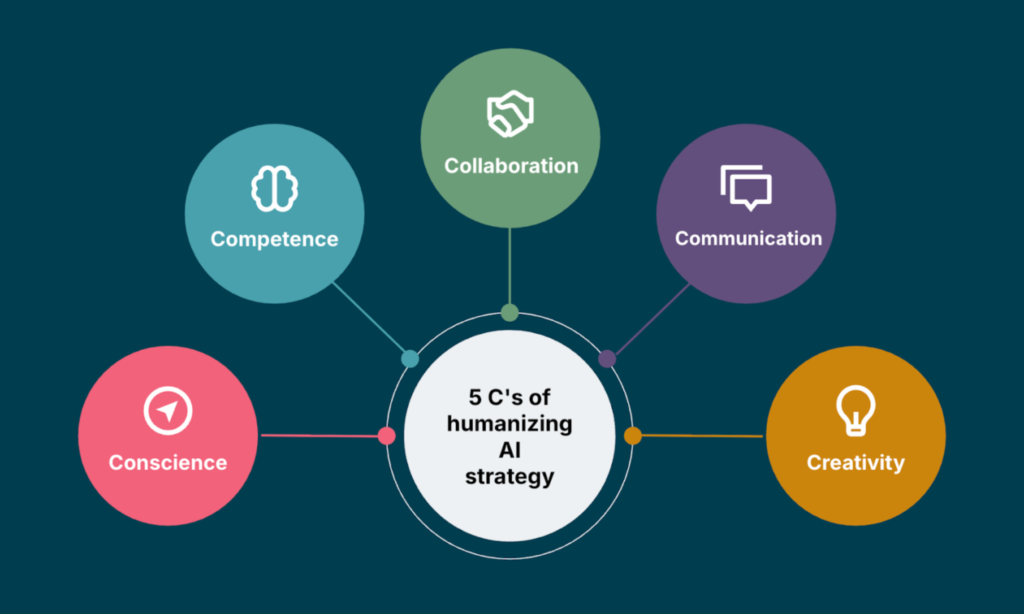
At the end of the day, the path this digital revolution takes isn’t up to the computers—it is up to us. Technology shouldn’t be built just because it looks impressive or saves a dollar; it should be created with an intentional focus on making human lives better and keeping our world fair.
To build a future we actually want to live in, we need to invest heavily in modern education, digital safety, and ethical design. By keeping human judgment, empathy, and oversight at the very center of everything we build, we can use these incredible systems to tackle our biggest collective hurdles—like curing diseases and fighting climate change—while holding fast to the honesty and warmth that make us who we are.
FAQs
1. Why do my apps feel like they know me better than my friends do?
It feels that way because your apps are paying absolute attention to everything you do. Every single swipe, pause, and click is tracked by a neural network. The software doesn’t just look at what you buy; it looks at how many seconds you stared at a photo before scrolling past. By analyzing those tiny patterns over time, it builds a hyper-specific map of your desires, allowing it to predict what you want next before you’ve even fully realized it yourself.
2. Is there a difference between a smart program and regular automation?
Think of automation like a traditional factory machine, and smart code like a quick-thinking assistant. Regular automation follows a strict script—like a robot arm putting a lid on a jar the exact same way all day long. A smart program, however, can handle surprises. If the jar arrives upside down or a different size, the code can look at the problem, learn from it, and make a new decision on its own without crashing.
3. How does a computer end up acting biased if it doesn’t have a brain?
Because it learns from us. If you train a computer program using ten years of resume data from an industry that mostly hired one type of person, the computer will assume that specific type of person is inherently better for the job. It isn’t thinking, and it isn’t malicious; it is just looking at a flawed piece of human history and turning it into a perfect, mechanical rule.
4. What is the best way for a regular person to protect their data privacy?
You don’t need to be a hacker to protect yourself; just start practicing simple digital hygiene. Go into your smartphone settings and turn off location tracking for apps that don’t need it. When you download something new, opt out of tracking features, and take a moment to clear out old accounts you don’t use anymore. Being a little stingy with your personal details makes it much harder for companies to build a profile on you.
5. Are robots going to make human workers completely obsolete?
No, because a computer doesn’t have a soul. Machines are spectacular at crunching numbers, spotting trends, and doing heavy, repetitive tasks without getting tired. But they are completely blind to things like emotional intelligence, true artistic creativity, real compassion, and moral judgment. The jobs of tomorrow won’t look like humans competing against machines; they will look like humans using machines to do their work better, faster, and with a lot more heart.