
Artificial Intelligence (AI) has officially stepped out of the pages of science fiction and right into our everyday lives. Today, it stands as one of the most powerful engines driving change across the globe. No matter where you look—whether it is a local clinic, a massive global bank, or a favorite online storefront—organizations are using AI to smooth out their operations, cut unnecessary costs, and deliver faster service.
At its core, this shift is not just about replacing old computers with shinier ones. It is about a fundamental change in how we work, solve problems, and connect with customers. By letting intelligent software handle heavy data lifting and repetitive administrative tasks, teams everywhere are finding more time to focus on what humans do best: innovate, build relationships, and think creatively.
Breaking Down the Basics: What Is AI Anyway?
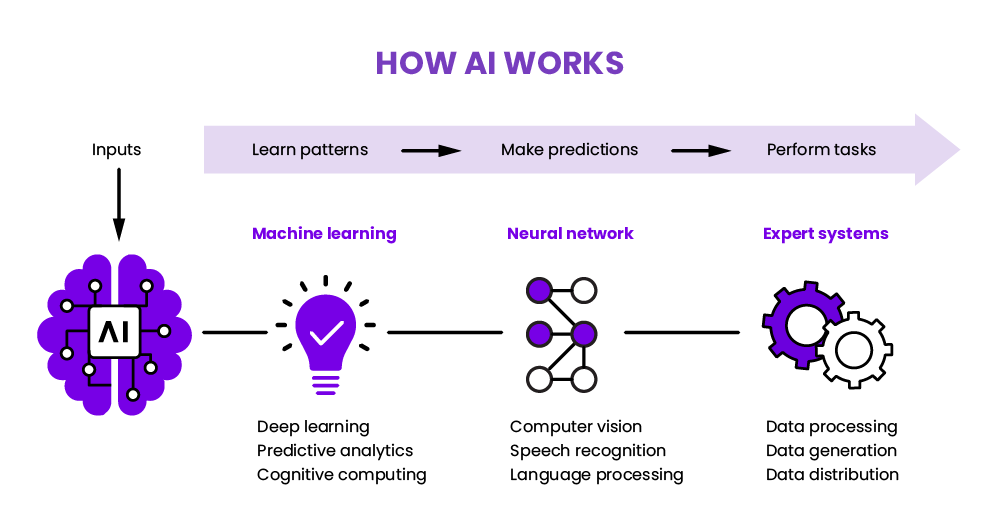
When we talk about Artificial Intelligence, it is easy to get lost in a sea of tech jargon. In plain, simple terms, AI refers to computer programs and systems designed to mimic the way human minds process information. Instead of just following a rigid, unchanging list of instructions, these smart systems can look at fresh data, spot hidden trends, learn from past mistakes, and make informed choices entirely on their own.
Modern AI relies on a few core tools to get the job done:
- Machine Learning: The process of feeding a computer vast amounts of information so it can teach itself how to spot patterns and make predictions.
- Natural Language Processing (NLP): The technology that allows software to read, understand, and reply to human speech and writing in a way that feels totally natural.
- Computer Vision: Giving computers eyes so they can scan, analyze, and comprehend photos, medical scans, and video feeds.
- Predictive Analytics: Looking at historical data to guess what is most likely to happen next, helping businesses plan ahead with confidence.
AI in Healthcare: Saving Lives and Supporting Medical Teams
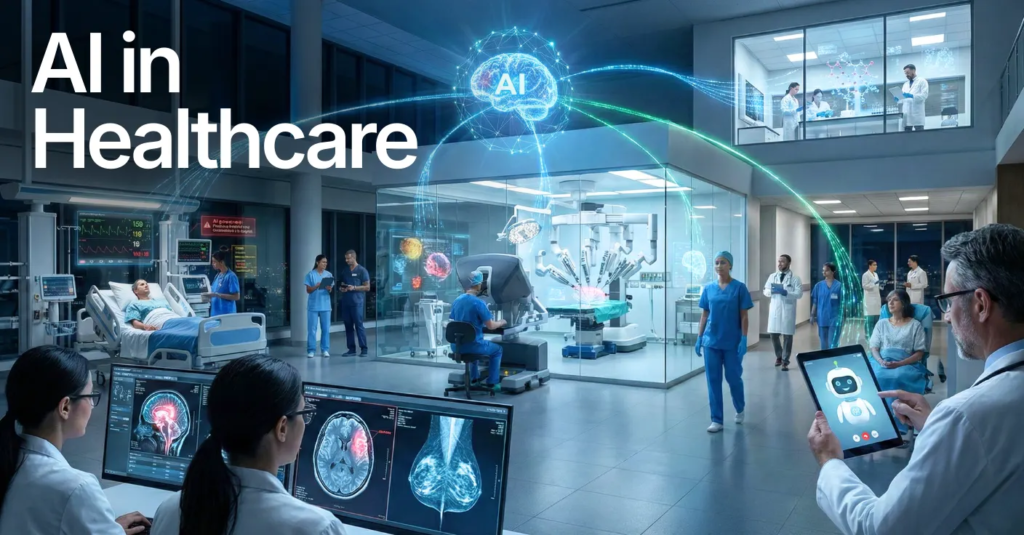
The medical field is experiencing some of the most inspiring and meaningful breakthroughs thanks to smart technology. In busy hospitals and quiet research labs alike, AI tools are stepping up as incredibly reliable assistants for doctors, nurses, and scientists.
For example, when a patient gets an X-ray, MRI, or CT scan, advanced computer vision systems can review the images in seconds. They screen the pictures to flag tiny anomalies, early-stage tumors, or hidden fractures that might be incredibly difficult for a tired human eye to catch after a long shift.
[Patient Scans & History] ──► [AI Diagnostic Filter] ──► [Flags Micro-Anomalies]
                                                                  │
                                                                  ▼
[Personalized Recovery]  ◄── [Tailored Therapy Plan] ◄── [Doctor Reviews Analysis]
Beyond emergency diagnostics, hospitals use smart algorithms to manage the daily rush of administrative work. AI handles complex nurse scheduling, tracks patient recovery patterns from afar, and even accelerates the discovery of life-saving medicines. By sorting through millions of chemical combinations in days rather than years, it helps bring new treatments to the world in record time.
AI in Finance and Banking: Protecting and Growing Your Wealth
Have you ever received a sudden text from your bank asking if you actually made a specific purchase at a store miles away? That is AI working hard to protect your money. Financial institutions handle billions of transactions every single day, making it impossible for human teams to watch every account.
AI systems solve this by looking closely at your typical spending habits, locations, and transaction sizes. The moment something looks weird—like a sudden, massive purchase made across the ocean—the system flags the activity and pauses the transaction instantly.
| Banking Function | Old Manual Process | New AI-Driven Approach |
| Fraud Detection | Reviewing suspicious accounts days after a theft occurs. | Spotting and blocking weird transactions in real time. |
| Loan Approvals | Digging manually through physical paperwork and records. | Scanning financial data instantly for fair credit scores. |
| Customer Care | Waiting on hold for a representative to answer basic balances. | Getting instant help from smart virtual financial assistants. |
Furthermore, investment firms use predictive software to keep a close eye on wild market trends. These platforms can process global financial news, economic reports, and historic stock movements all at once. This helps everyday savers and professional investors make smarter, safer choices with their hard-earned money.
AI in Manufacturing: Building the Safe Factories of Tomorrow
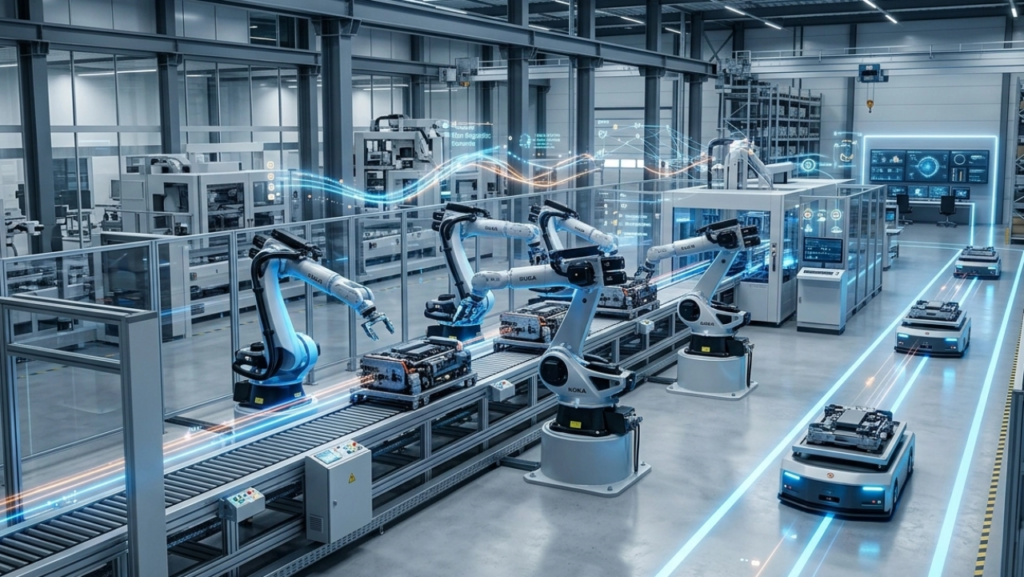
For decades, factory automation meant putting a robotic arm on an assembly line to repeat the exact same physical movement millions of times. Today, AI is giving those factories a brain.
One of the greatest headaches in manufacturing is unexpected machinery breakdowns, which can stop production for days and cost millions. Smart factories avoid this nightmare by using predictive maintenance. Specialized sensors are placed directly inside heavy machinery to listen to vibrations, monitor operating heat, and track performance speeds.
AI analyzes this stream of live data to predict exactly when a machine part is about to wear out. This allows factory managers to schedule a quick repair during a planned break, keeping workers safe and avoiding costly, sudden shutdowns.
AI in Retail and E-Commerce: Shopping That Understands You
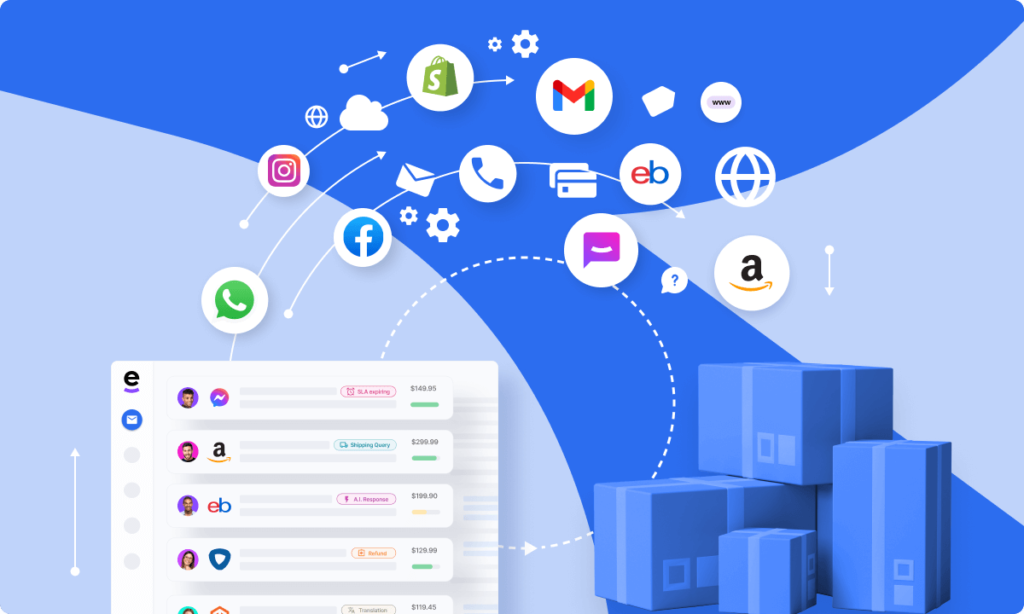
If you have ever browsed an online shop and felt like the website knew exactly what shoes or gadgets you wanted to buy, you have seen retail AI in action. Modern e-commerce platforms use smart recommendation engines to change your digital storefront based on your unique tastes, past purchases, and browsing history.
[Your Browsing Habits] + [Past Purchases] ──► [AI Recommendation Engine] ──► [Personalized Storefront]
Behind the scenes, retail AI is just as busy managing backend operations. It helps store managers predict which items will fly off the shelves as seasons change, ensuring they never run out of popular items or get stuck with piles of unsold stock. By keeping inventory levels perfectly balanced, businesses save money while shoppers get exactly what they need, right when they want it.
AI in Transportation and Logistics: Moving the World Efficiently

Getting physical goods from a factory floor to a customer’s front door is a massive puzzle. Delivery and logistics companies use intelligent routing software to calculate the most efficient delivery paths for their trucks. These systems do not just look at static maps; they monitor live traffic jams, changing weather conditions, and sudden road construction to keep deliveries moving smoothly.
                  [Live Traffic Alerts]
                            │
                            ▼
[Package at Warehouse] ──► [AI Route Optimizer] ──► [Fastest Delivery Path]
                            ▲
                            │
                   [Weather Reports]
At the same time, the automotive industry continues to pour immense research into autonomous driving. While fully driverless cars are still being carefully tested and refined, the smart technology behind them is already keeping us safer on the road through automated emergency braking, lane-keeping assistance, and adaptive cruise control.
AI in Education: Tailoring Lessons for Every Student
Every single child learns at a different pace and has unique strengths and weaknesses. Unfortunately, in a traditional classroom with thirty students and just one teacher, giving every child specialized attention is incredibly tough.
AI is helping bridge this gap by introduction adaptive learning platforms. These smart digital tools act like patient, personal tutors for students. If a student is flying through a math module, the software automatically serves up tougher challenges to keep them engaged. If they get stuck on a difficult concept, the AI gently slows down, breaks the problem into simpler steps, and offers personalized explanations and targeted practice problems.
A Helping Hand for Teachers: By taking over time-consuming tasks like grading simple multiple-choice quizzes and tracking attendance, AI gives educators more time to do what they love: mentoring, inspiring, and connecting directly with their students.
AI in Human Resources: Making Workplaces More Human

Finding the right person for a job opening can often feel like searching for a needle in a haystack. HR teams are regularly flooded with hundreds of resumes for a single open position, making it easy to accidentally overlook a great candidate.
Smart recruiting software helps speed up this process by scanning applications to match candidate skills and past experiences with the exact requirements of the job description. This narrows down the pile to a shortlist of top talent, letting hiring managers spend their time interviewing real people. Once a new employee signs on, AI tools can guide them through their initial training steps, answer common benefits questions, and check in on overall team happiness through anonymous, smart feedback surveys.
AI in Cybersecurity: The Ultimate 24/7 Digital Shield
As our world becomes more connected, digital hackers are becoming more sophisticated. Traditional security software can only block known viruses that it has seen before. This leaves networks highly vulnerable to brand-new, creative cyberattacks.
Cybersecurity teams use AI because it never sleeps and can process millions of data signals simultaneously. It watches your company network continuously, learning what normal, healthy user behavior looks like.
If an account suddenly attempts to access sensitive company files at three in the morning from an unfamiliar device, the AI immediately flags the behavior as a potential threat. It can automatically lock down the account and isolate the danger before a human security guard even finishes reading the alert notification.
The Real-World Payoff: Why Companies Are Investing in AI
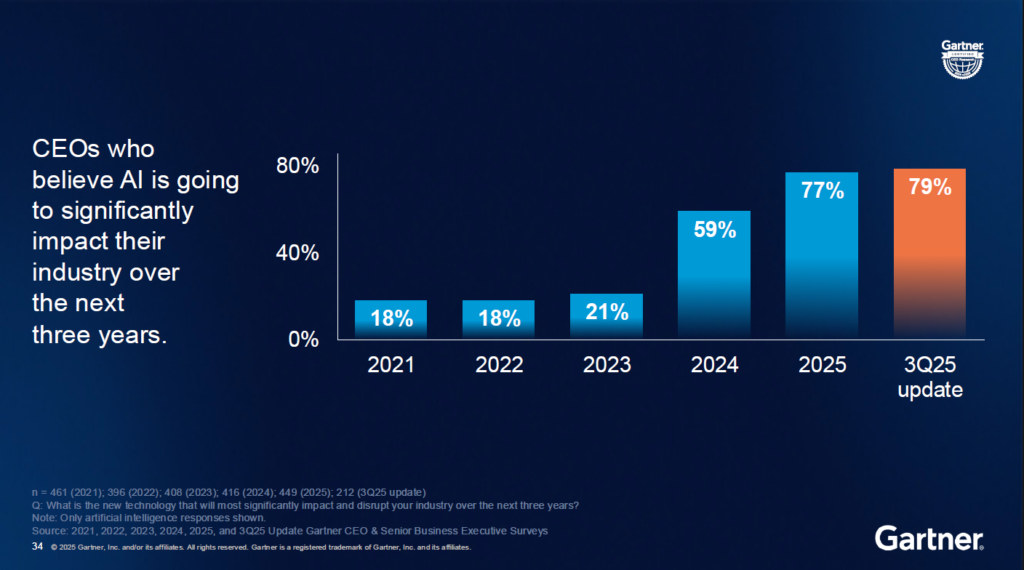
The rush to adopt Artificial Intelligence is not just a temporary trend. Businesses are investing because the real-world results are tangible and fast.
- Massive Productivity Boosts: Handing boring, repetitive data entry tasks over to computers means projects get finished in minutes instead of days.
- Smart Choices Based on Facts: Instead of relying on gut feelings, business owners can use deep data insights to make confident, strategic choices for the future.
- Lower Operating Costs: Fixing errors, streamlining workflows, and preventing machine breakdowns naturally saves an immense amount of capital.
- Always-On Customer Support: Customers no longer have to wait for business hours to get answers to basic questions, leading to a much happier clientele.
Understanding the Challenges and Growing Pains
While the benefits of AI are incredible, it is important to look at the technology realistically. Bringing AI into an organization comes with its own set of real challenges that require careful handling.
[High Setup Costs] ──► [Data Privacy Concerns] ──► [Model Bias Risks] ──► [Requires Human Oversight]
One major concern is protecting data privacy and security. Businesses must ensure that customer information is handled responsibly and never leaked. Another challenge is dealing with hidden bias in AI models. If a system is trained on flawed or unfair historical data, it will naturally repeat those exact same mistakes.
Furthermore, many workers worry about job security when new automation tools are introduced. True success requires companies to focus heavily on retraining and upskilling their workforce, teaching employees how to use these new tools as helpful extensions of their own skills.
The Road Ahead: What the Future Holds
As we look toward the future, the relationship between humans and artificial intelligence is only going to grow closer and more collaborative. We are moving quickly into an era dominated by autonomous digital assistants and advanced generative tools.
Instead of treating software like a static calculator where you have to click specific buttons, you will be able to speak to your business tools in plain, everyday human language. You will simply state your high-level project goals, and your digital partner will handle the data aggregation, organize the steps, and present you with clean options. Humans will remain firmly in the driver’s seat, acting as the crucial creative directors, ethical guides, and strategic decision-makers.
Conclusion: Moving Forward Together
Artificial Intelligence is no longer a distant dream of the future—it is a practical, everyday tool that is reshaping our world for the better right now. From protecting our bank accounts to helping doctors catch illnesses early, it is making our daily lives smoother, safer, and more efficient.
As these tools continue to grow and improve, the most successful organizations will be the ones that embrace innovation while staying committed to responsible, human-first practices. By pairing the incredible speed of AI with human empathy, wisdom, and creativity, we can build a brighter, smarter, and more fulfilling world of work for everyone.
Frequently Asked Questions:
Is AI going to completely replace human workers?
No. While AI is excellent at automating repetitive, routine tasks, it completely lacks true human empathy, emotional intelligence, and creative problem-solving. Instead of replacing people, it changes our roles, freeing us up to focus on more meaningful, strategic work.
How do small businesses benefit from using AI?
You don’t need a massive tech budget to use AI today. Many everyday business tools—like email platforms, project managers, and customer care software—now come with affordable, built-in AI features that help small teams accomplish double the work in half the time.
Why does AI sometimes make mistakes or hallucinations?
AI does not actually “think” or understand the world the way a human does; it looks at patterns in the data it was given. If that data is outdated, incomplete, or messy, the AI can confidently generate an incorrect answer. That is why human review and oversight remain absolutely essential.
How does AI help protect my personal data?
In cybersecurity, AI keeps you safe by continuously watching for weird, malicious behavior across digital networks. However, businesses must set up strict data privacy rules to ensure your personal information is used ethically and safely.