Human resources involves much more than hiring AI Tools people. HR teams manage job descriptions, candidate communication, onboarding, employee feedback, performance reviews, workplace policies, and many other day-to-day tasks. With so many responsibilities to handle, even small improvements in workflow can save valuable time.
AI tools and HR prompt resources are making some of these tasks easier by helping HR professionals create drafts, organize ideas, and work through repetitive writing tasks more efficiently.
An HR prompt tool can provide ready-to-use prompts for common workplace situations, making it easier to get started without writing every instruction from scratch.
What Are AI HR Prompt Tools?
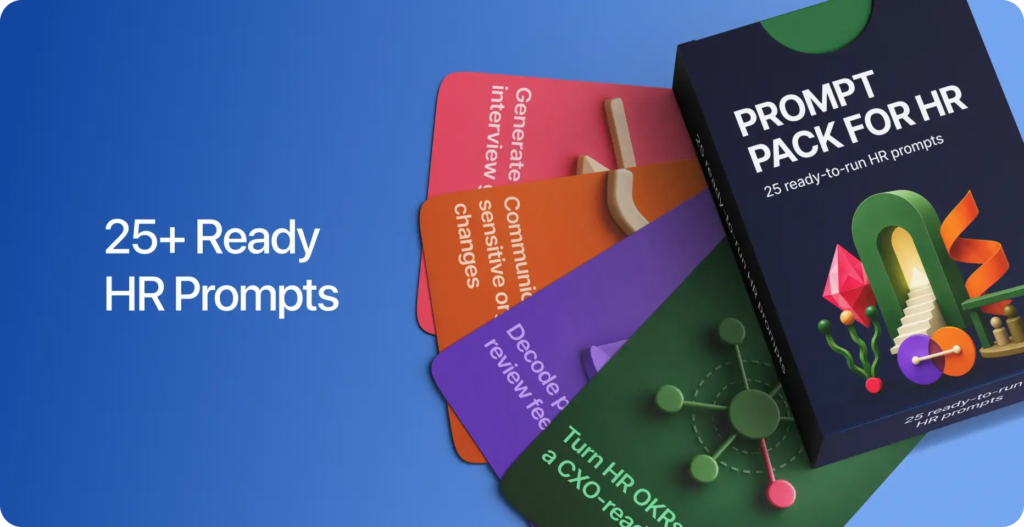
AI HR prompt tools are resources that provide structured prompts for using artificial intelligence in human resources workflows.
Instead of starting with a blank AI chat, an HR professional can use a relevant prompt as a starting point and customize it for their specific situation.
These prompts can be useful for tasks such as:
- Creating job descriptions
- Preparing interview questions
- Drafting onboarding materials
- Writing employee communications
- Structuring performance reviews
- Creating HR policies
- Brainstorming workplace initiatives
The goal is not to replace human judgment. Instead, prompts can help make repetitive content and idea-generation tasks more organized.
Why AI Tools Matter for HR in 2026
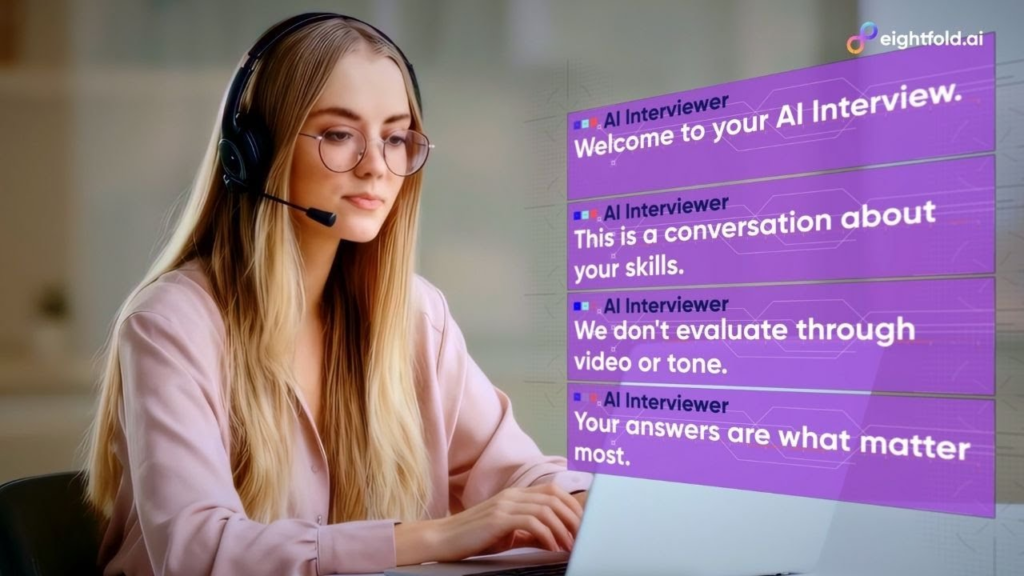
HR teams often spend considerable time working with written information. Job posts, emails, interview materials, employee documentation, and internal communications all require clear and appropriate language.
AI can assist with the initial drafting process, allowing HR professionals to spend more time reviewing, improving, and personalizing the final content.
AI prompt tools can help HR teams:
Save time: Start with structured prompts instead of creating instructions from scratch.
Improve consistency: Use repeatable approaches for similar HR tasks.
Generate ideas: Quickly brainstorm questions, communication formats, and workplace content.
Support workflows: Create starting points for different stages of the employee lifecycle.
AI Prompts for Hiring

Recruitment is one of the most common areas where HR teams can use AI assistance.
Writing a clear job description, preparing interview questions, or organizing candidate evaluation criteria can take time. A well-designed prompt can help generate a first draft that HR professionals can then review and customize.
For example, a prompt could ask an AI tool to create a job description based on a specific role, experience level, responsibilities, and required skills.
However, the generated content should always be reviewed to ensure it accurately reflects the actual position.
Creating Better Job Descriptions
A job description is often a candidate’s first introduction to a role. It should clearly explain what the position involves and what the organization expects from the successful candidate.
AI prompts can help structure important sections such as:
| Section | Purpose |
|---|---|
| Job Title | Clearly identify the role |
| Overview | Explain the position |
| Responsibilities | Describe expected work |
| Skills | List relevant capabilities |
| Experience | Define useful background |
| Benefits | Explain available employee benefits |
HR professionals can use AI-generated drafts as a starting point and then adjust the wording to match the company’s actual requirements.
AI Support for Interview Preparation

Interview preparation is another area where prompts can be useful.
HR teams can create prompts based on a particular job role and ask AI to generate potential interview questions. These may include role-specific, behavioral, situational, or experience-based questions.
The questions should still be reviewed by the interviewer to ensure they are relevant, appropriate, and aligned with the actual hiring process.
AI can help generate possibilities, but the final interview structure should reflect the organization’s hiring standards.
Onboarding With AI Prompts
Onboarding involves helping new employees understand their role, workplace, team, policies, and processes.
AI prompts can assist with creating onboarding checklists, welcome messages, training outlines, FAQ documents, and communication drafts.
A structured onboarding workflow can make it easier to ensure that important information is not overlooked.
An onboarding prompt could help create:
- Welcome emails
- First-week checklists
- Training plans
- Team introduction messages
- New employee FAQs
- Role-specific onboarding guides
These materials can then be reviewed and customized by the HR team.
Performance Reviews
Performance reviews require thoughtful communication. HR professionals and managers may need to summarize achievements, discuss development areas, set goals, and structure feedback.
AI prompts can help organize the information into a clearer format.
For example, a prompt could help transform notes about an employee’s work into a structured performance review draft.
However, performance evaluations involve important human decisions. AI-generated content should therefore be carefully checked for accuracy, context, fairness, and appropriate language before being used.
Employee Communication
Clear communication is an important part of HR. From policy updates to workplace announcements, HR teams regularly create messages for employees.
AI prompts can help generate different versions of a message depending on the audience and purpose.
For example, an HR professional could use AI to create a concise announcement, a detailed explanation, or a more conversational internal message.
The final version should always reflect the organization’s communication style and the actual information being shared.
HR Policies and Documentation

HR teams also work with policies, procedures, and internal documentation. AI prompts can provide a useful starting structure for documents by suggesting sections, questions, or areas that need clarification.
For example, an HR professional could ask AI to outline a workplace policy and then add the organization’s actual rules, legal requirements, and internal procedures.
AI should not be treated as a substitute for legal or professional review when a document has regulatory or legal implications.
A Practical HR AI Workflow
Using AI effectively does not have to be complicated.
A simple workflow can look like this:
Identify the task → Choose a relevant prompt → Add context → Generate a draft → Review carefully → Customize → Finalize
The quality of the result often depends on the quality of the information provided to the AI tool.
Instead of using a vague instruction, include relevant context such as the role, audience, objective, tone, and required format.
What Makes a Good HR Prompt?
A useful prompt usually gives AI enough information to understand the task.
For example, instead of asking:
“Write a job description.”
A more detailed prompt could specify:
Role + industry + responsibilities + required skills + experience level + tone + desired format
The more relevant context you provide, the easier it becomes to generate a useful starting draft.
Important Considerations When Using AI for HR
HR involves sensitive workplace information, so responsible AI use is essential.
Before entering information into an AI system, organizations should understand how the tool handles data and follow their internal privacy and security policies.
Keep these points in mind:
- Avoid sharing sensitive employee information unnecessarily.
- Review AI-generated content before using it.
- Check important information for accuracy.
- Follow organizational policies for AI usage.
- Consider applicable privacy and employment requirements.
- Keep human oversight throughout important HR decisions.
AI can support HR work, but important decisions should remain under appropriate human oversight.
Choosing the Right AI HR Tool
Different HR teams have different requirements. Before adopting an AI tool or prompt resource, consider what you actually need.
| Requirement | Questions to Ask |
|---|---|
| Purpose | What HR task will the tool support? |
| Ease of Use | Can the team use it without extensive training? |
| Customization | Can prompts be adapted to your workflow? |
| Privacy | How is submitted information handled? |
| Integration | Does it fit with existing HR processes? |
| Cost | Does the value justify the price? |
This can help HR teams avoid collecting tools that provide little practical value.
The Future of AI in HR
AI is likely to continue influencing HR workflows as organizations explore ways to automate repetitive tasks and improve productivity.
The most useful approach is likely to combine AI efficiency with human judgment. AI can help generate drafts, organize information, and provide ideas, while HR professionals provide context, empathy, oversight, and final decision-making.
This combination can make technology more useful without removing the human element that is central to HR.
- AI Tools 2026: Transform Work With Smart Technology
- AI in Daily Life 2026: Smarter Living With Artificial Intelligence
- AI Tools 2026: Explore the Future of Smart Digital Productivity
- Understanding Artificial Intelligence from the Basics
- AI Ethics: Building a Responsible Future With Artificial Intelligence
FAQs
1. What are AI HR prompt tools?
They provide ready-to-use prompts for common HR tasks like hiring, onboarding, and reviews.
2. How can AI help with hiring?
AI can help draft job descriptions, interview questions, and recruitment communications.
3. Can AI create performance reviews?
Yes, AI can help structure review drafts, but HR professionals should review and personalize them.
4. Are AI tools useful for onboarding?
Yes, they can help create checklists, welcome messages, training plans, and FAQs.
5. Should HR teams review AI-generated content?
Yes. Human review is important for accuracy, privacy, context, and appropriate workplace communication.