Nowadays, AI image generators have blown AI Image Generators the doors wide open for creators, marketers, and small business owners. You don’t need a degree in graphic design or deep technical know-how—if you can type out a thought in plain English, you can turn it into a striking visual in a matter of seconds.
Whether you’re trying to spruce up your latest blog post, mockup a wild product concept, or design eye-catching ads for your next campaign, AI visual tools have become a daily staple for modern work. But with so many options popping up, how do you know which platform actually delivers and which ones are just hype? Let’s take a practical, hype-free look at how these tools work and which one deserves a spot in your creative toolkit.
What Is an AI Image Generator, Really?
Strip away all the fancy tech jargon, and an AI image generator is basically a digital artist that listens to your plain English description—called a prompt—and paints a custom picture from scratch.
Think of it like giving a brief to a human designer over a quick coffee break. You might say, “Hey, give me a cozy cabin in the woods at dusk with warm light glowing from the windows and a light snowfall.” A few seconds later, the platform interprets your request, pulls from millions of visual patterns it learned during training, and spits out a brand new, unique image.
Most modern platforms don’t stop at just generating the first picture, either. You can tweak lighting, swap out background elements, change the art style from oil painting to photorealistic, or ask the AI to try a completely different angle.
Why Everyone Is Using These Tools in 2026
The real magic here isn’t just that these tools exist—it’s how much time and headache they save real people trying to get work done.
Here’s where everyday folks are getting the most mileage out of AI image generators:
- Bloggers & Writers: Creating unique, topic-matched featured images instead of using the same tired stock photos everyone else uses.
- Small Business Owners: Mocking up product ideas, social promos, and storefront banners without hiring an expensive agency.
- Marketers: A/B testing different ad concepts in minutes to see what catches people’s eyes before launching a campaign.
- Storytellers & Artists: Visualizing scene concepts, character designs, and storyboards while the idea is still fresh in their head.
The best part? You’re never locked into your first attempt. If the AI doesn’t quite hit the nail on the head, you just tweak your wording, try again, and refine it until it matches what you’re seeing in your head.
15 AI Image Generators Worth Your Time
No single tool does everything perfectly. Some excel at making images that look like real photography, others are unbelievable at typography and text, while a few are built to plug straight into your existing design workflow.
1. ChatGPT Image Generation
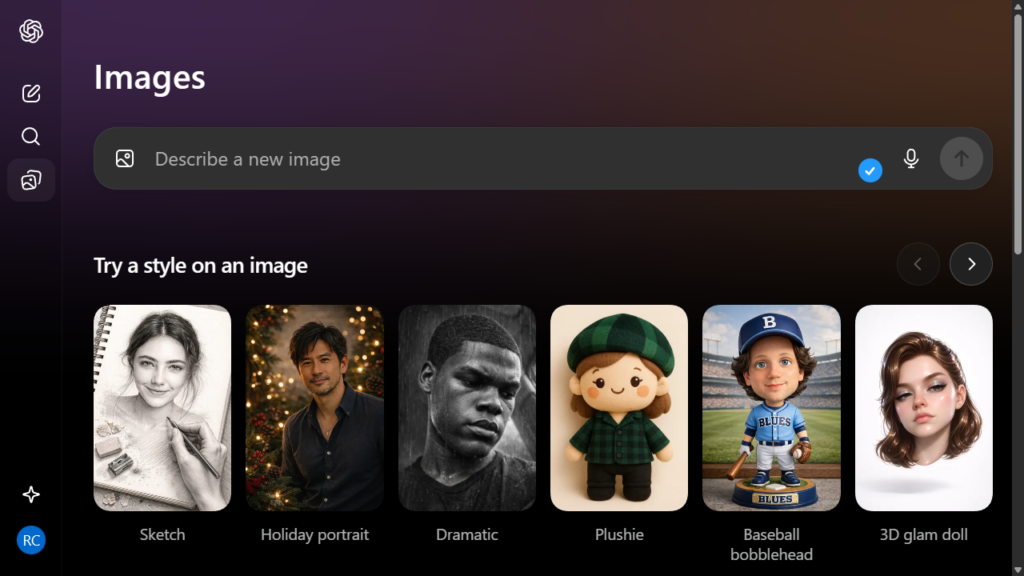
Integrated directly into ChatGPT, this tool lets you brainstorm and create visuals through plain, conversational chat. You don’t need to know technical prompts—you just talk to it like a colleague. If the image isn’t quite right, you simply reply with, “Can you make the background a bit brighter and remove the dog?” and it adjusts on the fly.
- Best for: Easy, conversational image creation and quick visual edits without technical fuss.
2. Midjourney
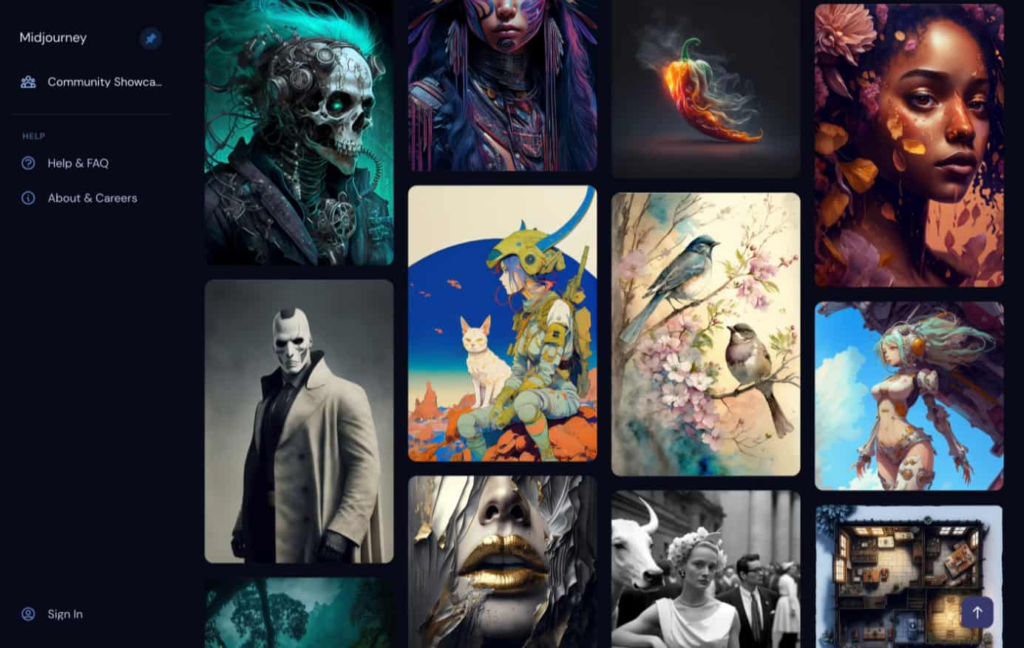
Midjourney remains the gold standard for sheer artistic quality and dramatic flair. If you want visuals that look like cinematic movie stills, detailed fantasy artwork, or high-fashion magazine covers, Midjourney is tough to beat. It does take a bit of practice to master its prompting style, but the visual payoff is often breathtaking.
- Best for: Cinematic visuals, concept art, and high-end artistic projects.
3. Adobe Firefly
Adobe built Firefly specifically for working creatives and commercial brands. Because it was trained on licensed stock images, businesses can use its outputs with far less worry about copyright headaches. Plus, it hooks straight into Photoshop and Illustrator, making it a natural fit if you already live inside the Adobe ecosystem.
- Best for: Professional designers, commercial work, and seamless Photoshop integration.
4. Google Gemini
Google Gemini brings image creation right into your daily conversational workspace. It’s fantastic for quick visual brainstorming when you’re already drafting content, writing emails, or researching ideas. Its strength lies in how easily it weaves visual creation into broader planning tasks.
- Best for: Quick visual ideas and conversational workflows.
5. Ideogram
For a long time, AI tools were notoriously terrible at spelling words inside generated images. Ideogram completely changed the game by specializing in clean, readable typography. If you’re designing posters, logos, t-shirt prints, or graphic quotes where text needs to look sharp and spelled correctly, this is your tool.
- Best for: Posters, logos, and graphics that need crisp, readable text.
6. Leonardo AI
Leonardo AI gives creators a ton of fine-tuned control. It offers specialized models for gaming assets, character design, and digital art, along with sliders that let you dial in style consistency across multiple renders. It’s a favorite among indie game developers and digital illustrators.
- Best for: Character design, game assets, and fine-tuned artistic control.
7. Stable Diffusion
If you’re a tech-savvy creator who hates being boxed in by rules or subscription paywalls, Stable Diffusion is the open-source hero. You can run it locally on your own computer, train it on your own face or products, and tweak every single setting under the hood.
- Best for: Tech-savvy users, custom local setups, and complete creative freedom.
8. Microsoft Designer
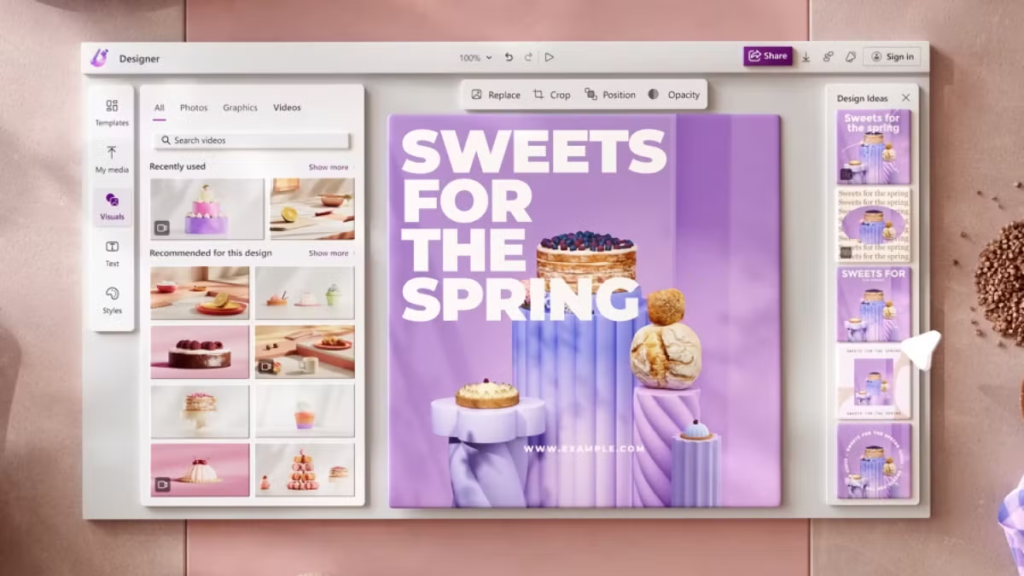
Microsoft Designer is built for quick, everyday visual tasks. Need a flyer for a local event, a clean social post, or an invitation? It combines simple AI prompt generation with ready-to-use layouts, making it super approachable for non-designers.
- Best for: Quick social posts, simple flyers, and casual design projects.
9. Canva AI
Canva took its insanely popular drag-and-drop design platform and packed it with helpful AI features. You can generate an image from text and immediately drop it onto a presentation slide, adjust the layout, add fonts, and apply brand colors—all in one place.
- Best for: Marketers, students, and small businesses needing quick, ready-to-publish graphics.
10. Recraft
Recraft was built specifically with professional graphic designers and brand managers in mind. Unlike tools that only make pixel-based raster photos, Recraft can generate clean vector art, icons, and illustrations that match your company’s exact color palette.
- Best for: Brand icons, vector illustrations, and consistent graphic design assets.
11. Playground AI
Playground AI is like a giant sandbox for creative experimentation. It provides a simple layout where you can mix different AI models, tweak canvas elements, and try out creative styles without feeling overwhelmed by technical menus.
- Best for: Casual experimentation and playing around with different visual styles.
12. DreamStudio
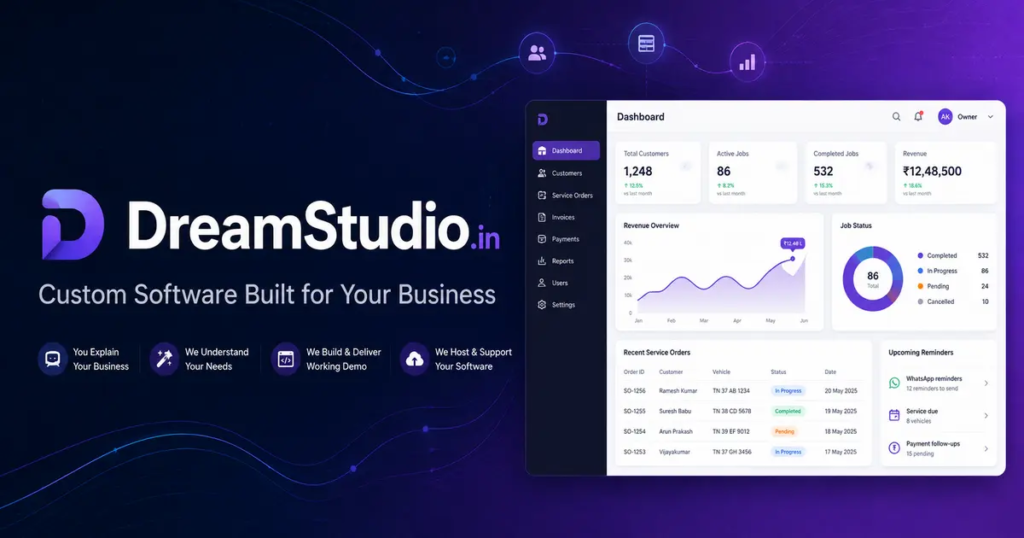
DreamStudio is Stability AI’s clean web interface for using Stable Diffusion models without needing a super-powered computer. It gives you easy sliders for aspect ratios, prompt weights, and seed numbers, making advanced image generation accessible in a browser.
- Best for: Web-based AI art experimentation with advanced controls.
13. Flux
Flux models have quickly earned a reputation for producing jaw-dropping detail, crisp textures, and remarkably natural human features (including hands, which used to be AI’s biggest weakness!). It’s power-packed and widely used across high-end creative setups.
- Best for: Photorealistic details, crisp textures, and hyper-detailed artwork.
14. NightCafe
NightCafe is as much a community as it is a creation tool. It lets you experiment with various AI algorithms, enter daily community art challenges, and share your creations with fellow AI art enthusiasts.
- Best for: Community challenges, social sharing, and exploring different art styles.
15. Picsart AI
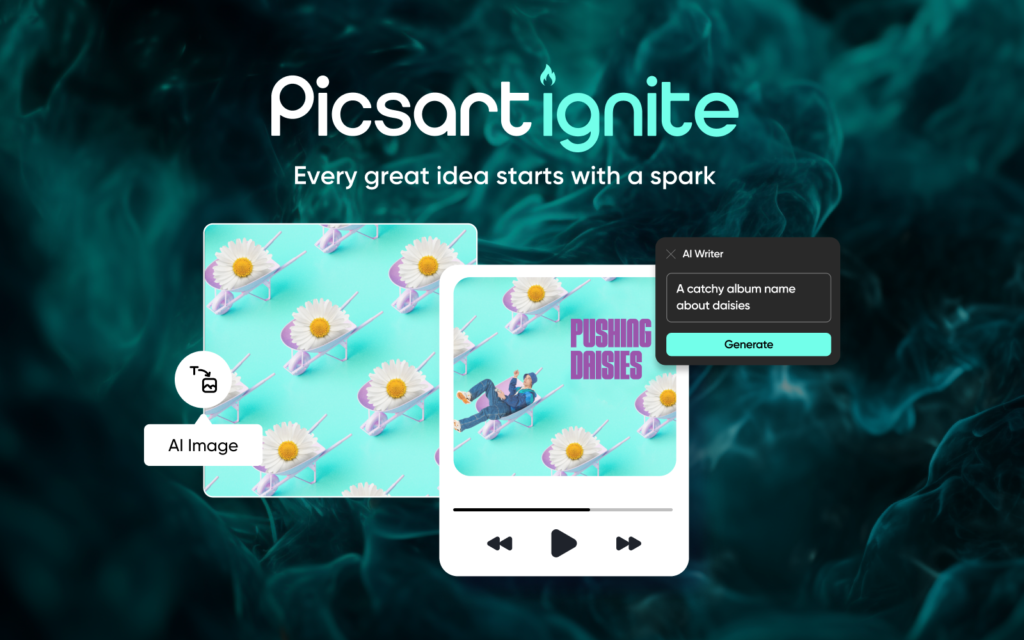
Picsart blends fast AI generation with a full suite of photo-editing tools. You can create an image from a prompt, then immediately apply filters, remove backgrounds, add stickers, and polish the photo for Instagram or TikTok.
- Best for: Mobile creators, social media editing, and quick photo touch-ups.
Comparison: Finding Your Creative Match
Here is a quick snapshot of how these tools stack up for different real-world needs:
| Tool | Primary Focus | Practical Vibe | Best Fit For |
|---|---|---|---|
| ChatGPT | Conversational | Chatting with an eager creative assistant | Everyday non-designers & quick ideas |
| Midjourney | High Art & Realism | Stunning, cinematic studio quality | Artists, concept designers & creators |
| Adobe Firefly | Commercial Design | Clean, safe, and built for professional editors | Graphic designers using Creative Cloud |
| Ideogram | Typography | Clear, crisp text baked right into the image | Poster makers, merch creators & logo design |
| Canva AI | Marketing Layouts | Easy, drop-in visuals ready to publish | Small business owners & social managers |
| Recraft | Brand Assets | Clean vectors and unified brand graphics | Professional brand agencies & UI designers |
| Flux | Hyper-Realism | Mind-blowing detail and realistic human poses | Photographers & digital creators |
How to Write Prompts That Actually Work
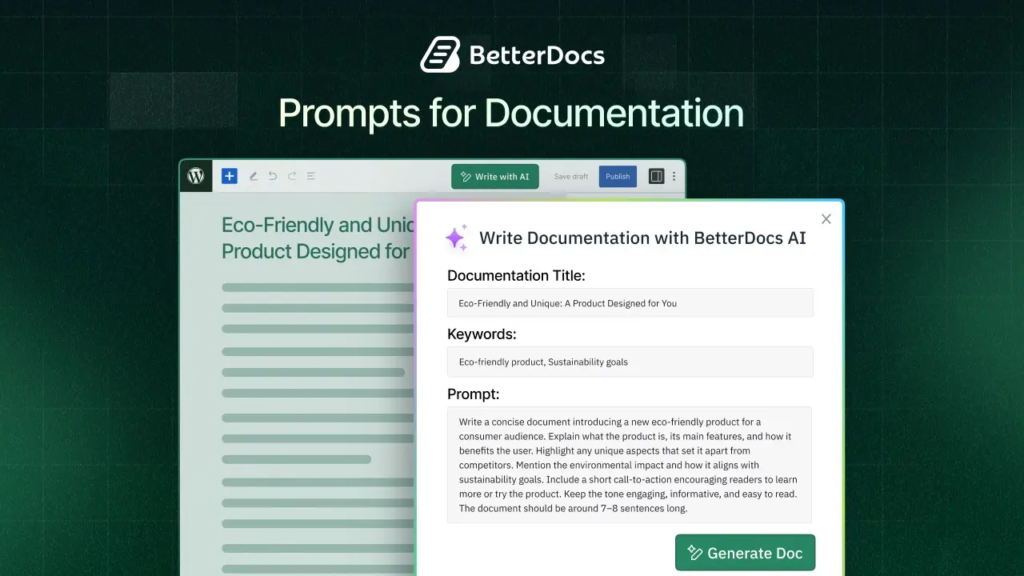
If you’ve ever typed a prompt into an AI tool and gotten back something that looked like a weird fever dream, don’t worry—we’ve all been there. The secret to getting great results is giving the AI clear context, texture, and mood.
[ Bare-bones Prompt ]  ──> "A cozy house in the woods"
                                     │
                                     ▼
[ Rich Human Prompt ]  ──> "A warm log cabin surrounded by autumn pine trees,
                            golden hour sunlight, mist over the ground,
                            shot on 35mm lens, cozy atmosphere"
To get much better visuals, include these simple details in your description:
- The Subject: What or who is the main focus? (A weathered lighthouse, a smiling barista, a futuristic electric car)
- The Environment: Where is this happening? (On a rainy Tokyo street, inside a sunlit kitchen, on a dusty desert highway)
- The Lighting: What’s the light doing? (Soft morning light, neon glow, dramatic shadows, warm golden hour)
- The Style: What medium should it look like? (A crisp 35mm photograph, a watercolor painting, a retro 80s poster, a 3D render)
The Reality Check: Keep These Considerations in Mind
Before you go all-in on AI images for your business, here are three quick reality checks to keep in mind:
1. Commercial Rights & Fine Print
Always check the licensing terms of the tool you’re using. Free tiers often restrict images to personal use only. If you’re planning to use a graphic on an ad, merchandise, or a commercial site, make sure your subscription tier covers commercial usage.
2. Human Touch Is Still Key
AI tools are fantastic at giving you raw creative material, but they rarely replace human judgment. You’ll often want to crop the image, touch up small glitches, match it to your brand’s font, and pair it with compelling written copy.
3. Ethical Usage Matters
Be mindful of what you generate. Avoid creating misleading images, impersonating real people without permission, or using tools to flood the internet with low-quality spam. Use AI as an accelerator for your original human creativity, not a shortcut around quality.
- Best AI Tools 2026: Powerful Tools for Work, Business & Creativity
- AI Tutorials for Beginners 2026: Simple Guides to Get Started
- What Is AI? A Simple Guide to Artificial Intelligence in 2026
- 15 Best AI Image Generators in 2026 for Stunning Images
- AI in Smart Homes 2026: How to Automate Your Home & Save Time
Frequently Asked Questions
1. Can I use AI-generated images for my business without getting sued?
In most cases, yes—provided you use a reputable platform and pay for a tier that grants commercial usage rights (like Adobe Firefly, Canva, or paid Midjourney plans). Always double-check the tool’s terms of service before using images in paid campaigns.
2. What is the best free AI image generator for beginners?
Canva AI, Microsoft Designer, and free credits on tools like Ideogram or ChatGPT are great starting points. They don’t require technical setups and give you plenty of room to practice.
3. Why does AI sometimes mess up hands and text?
AI models generate images by predicting patterns of pixels rather than understanding 3D geometry or grammar. While newer models (like Flux and Ideogram) have mostly solved these issues, older models still occasionally get confused by intricate details like human fingers.
4. Will AI image generators replace human graphic designers?
Not at all. While AI speeds up simple tasks, professional human designers are still essential for brand strategy, emotional storytelling, complex layouts, and original art direction. Think of AI as a power tool in a designer’s belt, not a replacement for their brain.