
Artificial intelligence has evolved from a speculative technology into a core driver of modern operations. In 2026, organizations across every domain rely on smart systems to streamline workflows, refine decision-making, and reduce administrative burdens. Rather than displacing human teams, modern AI tools act as powerful productivity partners. By automating low-leverage, repetitive work, AI enables employees, managers, and entrepreneurs to dedicate their attention to high-value strategic planning, creative execution, and meaningful relationship building.
What AI at Work Really Means

Integrating AI into the workplace means leveraging computational models, automated algorithms, and natural language platforms to optimize day-to-day operations. These technologies assist with everything from parsing vast datasets to generating preliminary document drafts and organizing complex schedules.
+-----------------------------------------------------------------------+
|                    THE MODERN AI-WORKPLACE ENGINE                      |
|                                                                       |
|   [ Repetitive & Data-Heavy Tasks ]                                    |
|                   │                                                   |
|                   ▼                                                   |
|   [ AI Systems: Fast Parsing & Execution ]                            |
|                   │                                                   |
|                   ▼                                                   |
|   [ Human Strategic Oversight & Contextual Nuance ]                   |
|                   │                                                   |
|                   ▼                                                   |
|   [ Accelerated Operational Output & Innovation ]                     |
+-----------------------------------------------------------------------+
Rather than operating in isolation, AI systems perform best when paired with human oversight. This synergy allows professionals to accelerate output without sacrificing accuracy, contextual awareness, or ethical responsibility.
Why AI Integration Has Become Essential
Today’s business environment demands unprecedented speed, precision, and agility. Organizations that embrace artificial intelligence gain an immediate edge by eliminating time sinks and maximizing available resources.
| Traditional Workplace Process | AI-Integrated Workplace Process | Direct Business Impact |
| Manual Data Processing | Automated data extraction & visualization | Faster, data-backed decisions |
| Fixed Customer Service Hours | Intelligent 24/7 conversational support | Higher satisfaction & retention |
| Siloed Resource Tracking | Predictive project management systems | Reduced bottlenecks & delays |
| Manual Lead Screening | Algorithmic scoring & automated outreach | Elevated conversion rates |
By embedding intelligent automation into standard operating procedures, companies lower operational overhead, improve output consistency, and unlock sustainable scalability.
Key Applications Across Functional Departments
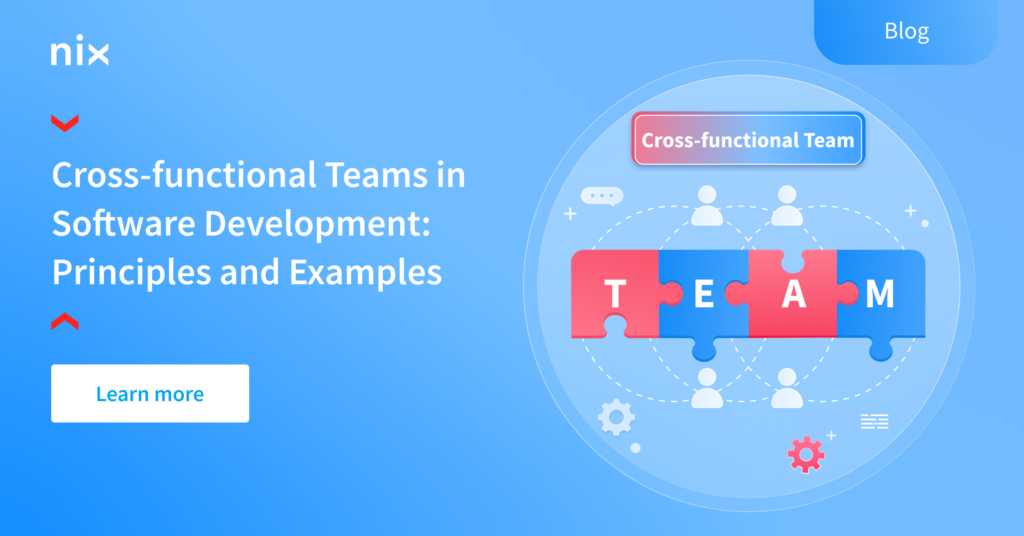
Customer Support and Engagement
Modern virtual assistants handle high-volume inquiries with remarkable speed, answering common questions and guiding users through multi-step resolutions.
Operational Insight: Delegating basic support tickets to AI helpdesks frees human agents to resolve critical, high-empathy customer cases faster and more effectively.
Strategic Content Generation

Marketing, communications, and design teams leverage generative models to accelerate content development and maintain brand visibility.
- Written Deliverables: Produce structured initial drafts for articles, internal memos, social media messaging, and client communications.
- Search Engine Visibility: Identify trending keyword clusters, optimize metadata, and restructure content for maximum discovery.
- Visual and Presentation Design: Generate custom mockups, presentation layouts, and instructional graphics in minutes.
Data Analytics and Business Intelligence
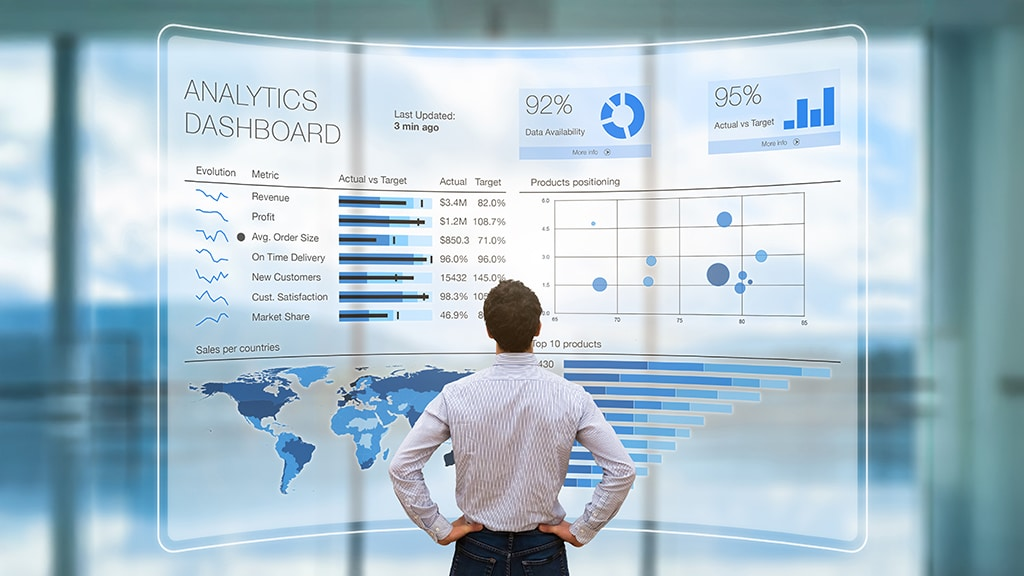
AI platforms analyze complex metrics, transforming unstructured records into clear visual dashboards, predictive forecasts, and market trend reports.
    [ Raw Business Metrics ]
               │
               ▼
┌─────────────────────────────┐
│  AI Pattern Recognition     │ ──> Identifies Market Shifts
└─────────────────────────────┘
               │
               ▼
 [ Clear Strategic Roadmaps & Predictive Models ]
These real-time insights ensure leaders make proactive operational adjustments based on reliable empirical evidence.
HR, Recruitment, and Administrative Workflows
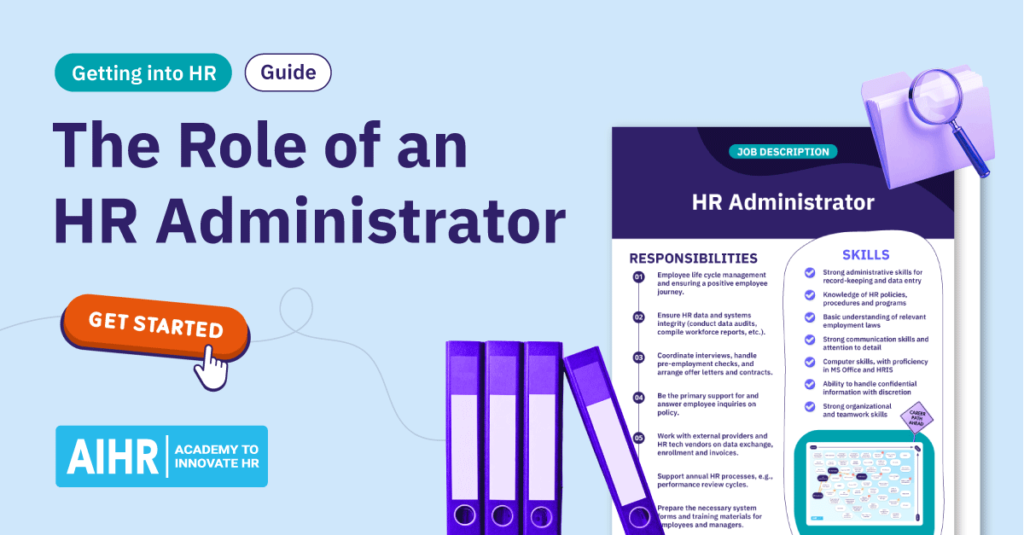
Human Resources departments utilize AI platforms to sift through applications, schedule interviews, and guide new hires through onboarding sequences. On the administrative front, intelligent tools automatically transcribe meeting records, organize project timelines, and process invoices.
Industry-Specific Case Studies
AI’s versatility extends across almost every major sector:
+-----------------------------------------------------------------------+
|                       SECTOR-SPECIFIC AI IMPACT                       |
|                                                                       |
|   [ Healthcare ]   ---> Diagnostics Support & Patient Scheduling      |
|   [ Retail ]       ---> Demand Forecasting & Dynamic Recommendations  |
|   [ Manufacturing]--> Predictive Equipment Maintenance & QA Checks   |
|   [ Education ]    ---> Adaptive Learning Plans & Automated Grading   |
+-----------------------------------------------------------------------+
- Healthcare: Assists clinicians with diagnostic reviews, patient scheduling, and administrative paperwork.
- Retail and E-Commerce: Powers personalized product recommendations, inventory management, and demand forecasting.
- Manufacturing: Monitors machinery in real time to predict maintenance needs and maintain strict quality control.
- Education and Training: Delivers personalized learning pathways, automated assessments, and interactive tutoring tools.
A Step-by-Step AI Adoption Framework
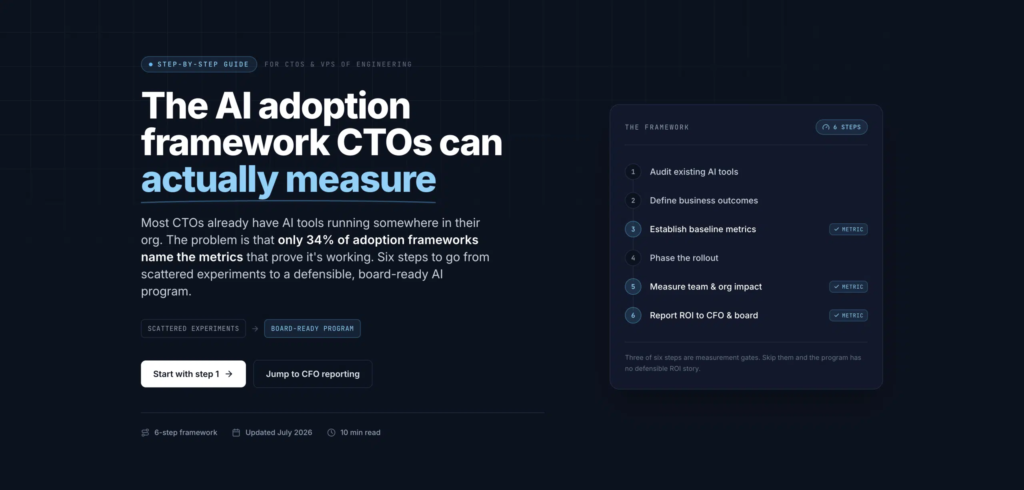
To achieve a seamless transition, business leaders should execute AI strategies using a deliberate, phased rollout:
┌───────────────────────────┐     ┌───────────────────────────┐
│  1. Audit Workflows &     │ ──> │   2. Establish Targeted   │
│     Identify Bottlenecks  │     │      Key Metrics (KPIs)   │
└───────────────────────────┘     └───────────────────────────┘
                                                │
                                                ▼
┌───────────────────────────┐     ┌───────────────────────────┐
│  4. Upskill Workforce &   │ <── │   3. Select Secure &      │
│     Establish Oversight   │     │      Scalable Software    │
└───────────────────────────┘     └───────────────────────────┘
                │
                ▼
┌───────────────────────────┐
│  5. Track Performance,    │
│     Refine & Iterate      │
└───────────────────────────┘
- Identify High-Friction Tasks: Map out repetitive activities that consume excess staff hours, such as manually building reports or sorting incoming emails.
- Define Clear KPIs: Establish specific metrics to measure impact, such as reducing response times by 40% or saving six administrative hours per employee weekly.
- Choose Scalable Platforms: Select user-friendly software that integrates easily with your existing cloud storage, CRM, and communication tools.
- Upskill and Train Employees: Provide practical workshops focused on effective prompt design, output verification, and data safety.
- Audit and Refine: Continually monitor system performance against cost savings, accuracy rates, and team feedback to adjust workflows over time.
Mitigating Risk and Ensuring Ethical Usage

While artificial intelligence offers massive advantages, organizations must proactively manage potential pitfalls:
- Maintain Human Verification: Always require internal subject matter experts to review and refine AI-generated work before client delivery.
- Prioritize Data Privacy: Implement clear protocols to prevent sensitive customer or corporate data from being exposed to unverified public AI models.
- Manage Subscription Inflation: Regularly audit software usage across departments to eliminate redundant tool licenses and lower operational software expenses.
Embracing the Future of Work
The integration of artificial intelligence into daily operations is no longer optional for forward-thinking businesses. By combining machine speed and analytical power with human creativity, context, and empathy, organizations cultivate a more resilient, highly productive workplace. Implementing a clear, ethical, and practical AI strategy ensures your business remains agile, competitive, and prepared for future growth.
FAQs
What is AI at work?
AI at work refers to using artificial intelligence to automate tasks, analyze data, and improve workplace productivity.
How does AI improve workplace productivity?
AI automates repetitive tasks, provides data insights, supports decision-making, and helps employees focus on higher-value work.
Which industries use AI the most?
Healthcare, retail, manufacturing, finance, education, and marketing are among the leading industries adopting AI.
Can AI replace employees?
AI is designed to assist employees by handling routine tasks, while human skills remain essential for creativity, strategy, and decision-making.
How can businesses start using AI?
Businesses should identify repetitive tasks, set clear goals, choose suitable AI tools, train employees, and regularly measure performance.