Hiring the right talent has become more competitive and complex than ever. Businesses frequently receive hundreds, or even thousands, of applications for a single open position. This flood of resumes makes it exceptionally difficult for human resource teams to identify top candidates quickly and efficiently. At the same time, modern job seekers expect rapid communication, personalized interactions, and a smooth, transparent hiring process.
To bridge this gap, organizations are turning to AI HR & Recruitment Tools to revolutionize how talent is sourced, evaluated, and hired. Artificial intelligence automates repetitive administrative tasks, improves candidate screening accuracy, reduces unconscious bias, and provides data-driven insights to support smarter decision-making. Far from replacing human recruiters, AI empowers HR professionals to move away from mundane paperwork and spend more time building meaningful relationships with prospective employees.
What Are AI HR & Recruitment Tools?
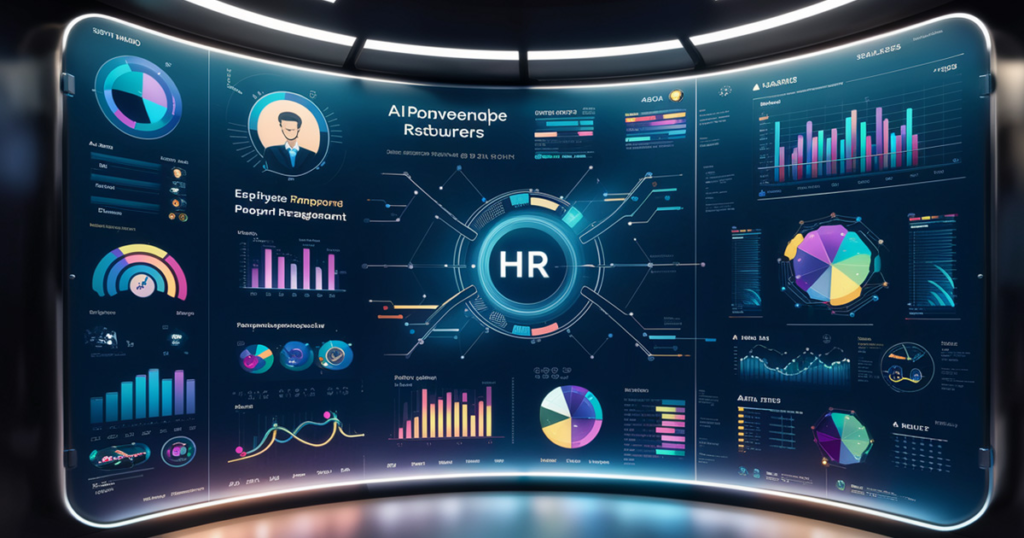
AI HR and recruitment tools are advanced software platforms that leverage artificial intelligence, machine learning algorithms, and natural language processing to streamline the talent acquisition lifecycle. These intelligent platforms integrate seamlessly into existing human resource workflows, taking over high-volume, repetitive tasks that typically slow down hiring managers.
Instead of operating as isolated databases, modern recruitment tools actively analyze vast amounts of workforce data to predict hiring outcomes and match qualified candidates to specific role requirements.
- Job description generation: Crafting clear, inclusive, and targeted job postings optimized for search visibility.
- Automated resume screening: Scanning thousands of applications instantly to rank candidates based on relevant skill sets.
- Predictive candidate matching: Comparing past hiring data with candidate profiles to identify high-potential applicants.
- Intelligent interview coordination: Eliminating back-and-forth emails by automatically scheduling interview slots.
- Interactive applicant communication: Deploying recruitment chatbots to answer candidate questions in real time.
- Automated onboarding management: Guiding new hires through essential documentation and company orientation materials.
By automating these technical processes, organizations can shift their primary focus toward strategic talent acquisition, workplace culture, and long-term retention.
Why Modern Businesses Are Rapidly Adopting AI Recruitment

Traditional recruitment methodologies are often plagued by manual inefficiencies, long hiring cycles, and unintentional human biases. The adoption of artificial intelligence in HR addresses these legacy issues, helping companies stay agile in a fast-paced market.
- Drastically reduces time-to-hire: Automating administrative tasks allows recruiters to fill critical job openings much faster.
- Lowers overall hiring expenses: Streamlined workflows reduce the cost per hire by minimizing manual labor and third-party fees.
- Enhances candidate matching precision: Machine learning algorithms evaluate candidates on verified skills rather than superficial resume details.
- Delivers a superior candidate experience: Automated communication ensures applicants receive timely updates and feedback throughout the process.
- Eliminates scheduling friction: Self-service calendar booking tools remove the lag time between interview invitations and confirmations.
- Drives data-backed talent decisions: Recruitment analytics provide clear visibility into sourcing channels, funnel drop-offs, and hiring quality.
Whether implemented by small startups or multinational enterprises, AI-driven recruitment platforms establish a scalable, efficient foundation for talent growth.
Key Features Defining Next-Generation Recruitment Software

Intelligent Resume Screening
Traditional keyword ATS filters often miss exceptional talent due to rigid formatting constraints. Modern AI screening uses natural language processing to understand context, skill equivalencies, and career trajectories, ensuring qualified candidates are not overlooked simply because of phrasing differences.
Automated Job Posting and Distribution
Publishing job openings across multiple job boards, professional networks, and social media channels can be tedious. AI recruitment platforms allow recruiters to distribute postings to dozens of job channels simultaneously from a single central dashboard.
AI-Powered Chatbots and Assistant Communication
Recruitment chatbots act as the first point of contact for interested applicants. These virtual assistants can answer common questions about benefits, collect initial application details, and screen candidates, maintaining high engagement without increasing recruiter workload.
Pre-Hire Skills Assessments
To verify applicant capabilities before conducting live interviews, many platforms include automated testing tools. These tools conduct coding challenges, language proficiency exams, and cognitive aptitude tests, giving hiring teams objective data on a candidate’s actual abilities.
Predictive Analytics and Workforce Insights
Advanced platforms analyze historical company data to forecast candidate success rates, identify turnover risks, and evaluate recruiter efficiency. These insights empower HR leaders to refine their sourcing channels and continuously improve hiring strategies.
Top AI HR & Recruitment Platforms Leading the Market
Selecting the right recruitment software depends heavily on company size, hiring volume, and industry specifics. Here is an overview of leading platforms in the industry:
| Platform Name | Core Focus Area | Key Advantage | Best Suited For |
| LinkedIn Recruiter | Talent Sourcing & Outreach | Access to a massive global professional database with AI candidate recommendations. | Enterprise Recruiters & Sourcing Teams |
| Greenhouse | Structured Hiring & Tracking | Powerful applicant tracking paired with data-driven interview frameworks. | Fast-Growing Scale-ups & Enterprises |
| Workable | All-in-One Hiring & Sourcing | Built-in AI candidate sourcing and one-click job board distribution. | Small to Medium-Sized Businesses |
| Lever | Talent Relationship Management | Blends ATS capabilities with CRM features to build long-term candidate pipelines. | Proactive Talent Acquisition Teams |
| HireVue | Video Interviewing & Assessments | AI-assisted video screening and objective skills evaluations. | High-Volume & Graduate Recruitment |
| BambooHR | Comprehensive HR Management | Streamlined applicant tracking combined with onboarding and employee records. | Small Businesses Needing All-in-One HR |
| Zoho Recruit | Agency & Staffing Workflows | Flexible customization options featuring automated resume parsing and workflows. | Staffing Agencies & Expanding Businesses |
How AI Streamlines the Complete Hiring Workflow

Implementing artificial intelligence restructures the traditional hiring pipeline into a streamlined, highly predictable process:
- Phase 1: Job Creation & Distribution: AI helps write inclusive, targeted job posts and distributes them across optimal job channels.
- Phase 2: Automated Application Ingestion: Resumes are automatically parsed, organized, and standardized within the platform database.
- Phase 3: Contextual Screening & Ranking: Machine learning models evaluate candidate profiles and rank applicants based on skill relevance.
- Phase 4: Automated Communication & Scheduling: Shortlisted candidates receive automated interview invites with direct calendar integration links.
- Phase 5: Objective Evaluation & Assessments: Candidates complete standardized skill tests and structured video interviews.
- Phase 6: Data-Backed Decision Support: Recruiters evaluate candidate scores, conduct final human interviews, and make informed hiring offers.
- Phase 7: Frictionless Onboarding: Automated workflows guide the new hire through digital paperwork, policy sign-offs, and team introductions.
Navigating Key Challenges and Ethical Considerations
While artificial intelligence offers remarkable efficiency gains, organizations must navigate several operational and ethical challenges to ensure fair hiring practices.
Mitigating Algorithmic Bias
AI models are trained on historical hiring data. If past hiring practices contained implicit biases, the software may inadvertently replicate and amplify those same biases. To prevent this, HR teams must regularly audit algorithms, anonymize initial application reviews, and ensure training data remains diverse and representative.
Protecting Candidate Data Privacy
Recruitment systems collect and store sensitive personal information, including employment history, contact details, and assessment scores. Companies must maintain strict data security standards and comply with international privacy regulations like GDPR to safeguard candidate information.
Avoiding Over-Reliance on Automation
While AI excels at processing data, it cannot evaluate human nuances such as interpersonal chemistry, leadership potential, or cultural alignment. Final hiring decisions must always rely on human judgment, empathy, and critical thinking.
Best Practices for Implementing AI in Recruitment
To maximize the return on investment from AI HR tools, organizations should follow a structured, human-centric implementation strategy:
- Establish clear hiring criteria: Define the exact skills, qualifications, and core competencies required for each open position.
- Maintain human oversight: Use AI for screening and administrative tasks, but keep human recruiters in charge of final selections.
- Focus on candidate transparency: Inform applicants when AI tools are being used during resume screening or initial video assessments.
- Train HR personnel thoroughly: Ensure recruiting teams understand how to interpret AI insights and identify potential system glitches.
- Monitor recruiting analytics continuously: Track metrics like time-to-hire, candidate satisfaction, and quality of hire to evaluate software performance.
Future Trends Shaping the Next Era of AI Recruitment
As artificial intelligence continues to advance, the landscape of talent acquisition will evolve with even more sophisticated capabilities:
- Generative AI for personalized outreach: Creating tailored, highly engaging candidate email sequences based on individual career histories.
- Skills-based hiring algorithms: Shifting focus away from traditional college degrees toward verified real-world skills and potential.
- Advanced predictive retention modeling: Analyzing workplace satisfaction data to identify employees at risk of leaving before they resign.
- Immersive VR and AI onboarding: Interactive virtual reality environments where new hires can explore offices and complete remote training.
- Voice-activated HR assistants: Intelligent voice interfaces that allow managers to check candidate statuses and schedule meetings hands-free.
By thoughtfully combining the analytical power of artificial intelligence with the empathy and intuition of human recruiters, businesses can build fair, agile, and highly successful hiring operations.