
Delivering exceptional customer care has anchored business success for generations. Today, consumer expectations have reached an all-time high; when a user encounters an issue, they expect instantaneous responses, absolute accuracy, and seamless resolutions. Meeting these demanding criteria through manual workflows has become nearly impossible as communication channels fracture across websites, native mobile applications, direct emails, social messaging networks, and real-time live chat systems.
To bridge this operational gap, AI-powered customer support architecture has emerged as a critical competitive advantage. By fusing advanced neural networks, natural language automation, and machine learning models, these systems dramatically accelerate response protocols, eliminate redundant administrative overhead, and elevate the user journey. Far from a tool designed to completely automate human workers out of existence, modern artificial intelligence serves as an indispensable assistant—handling high-volume, low-complexity inquiries so human professionals can direct their empathy, intuition, and advanced problem-solving skills toward complex escalations.
What Are AI Customer Support Tools?
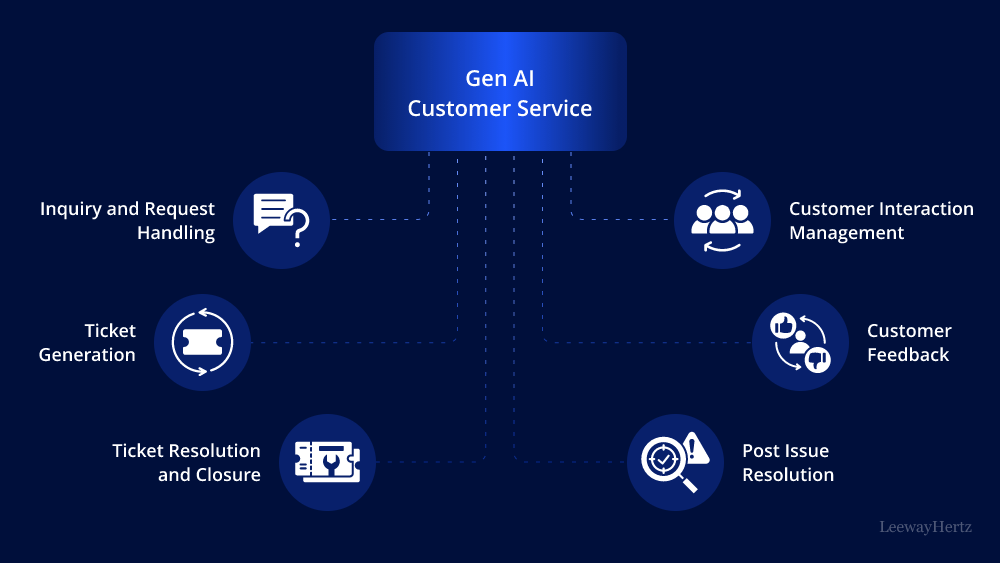
AI customer support tools are sophisticated software ecosystems designed to intelligently interpret, organize, and respond to incoming user communication. Rather than running on rigid, legacy conditional logic (“if-this-then-that” rules), these modern platforms rely on natural language processing (NLP) to accurately decipher customer intent, evaluate emotional sentiment, translate languages instantly, and surface precise resolutions at any hour of the day.
[Incoming Inquiry] ➔ [NLP Intent Analysis] ➔ [Instant AI Resolution / Intelligent Human Routing]
Traditional helpdesks demand significant human labor to tag, sort, and reply to every message. Conversely, an AI-native customer infrastructure continuously trains on internal historical data, constantly refining its contextual accuracy based on every past resolution. These advanced software suites integrate deeply into pre-existing websites, mobile applications, legacy email servers, and enterprise Customer Relationship Management (CRM) systems to establish a unified, frictionless support umbrella.
Why Modern Enterprises Are Adopting AI Engines
The modern consumer mindset has evolved past tolerating long response delays. Waiting twenty-four to forty-eight hours for an email response or sitting on hold to speak with a phone representative is increasingly viewed as a major friction point that can permanently damage brand loyalty.
By integrating artificial intelligence into front-line communication channels, organizations can provide frictionless self-service options around the clock. Instead of forcing every inquiry into an escalating queue, AI engines intercept and resolve routine transactional questions instantly. This sudden elimination of wait times shifts the customer experience from frustrating to highly satisfying. Concurrently, enterprises benefit from drastically reduced overhead costs, increased agent output, and an elastic capacity to handle sudden spikes in ticket volume without hiring temporary staff.
Key Architectural Features of AI Support Suites
Enterprise-grade AI support platforms are equipped with a powerful array of native features built to simplify complex internal operations while ensuring a premium external user experience.
| Feature | Primary Function | Core Operational Benefit |
| Conversational Chatbots | Executes automated dialogue workflows | Provides instant, 24/7 front-line resolution |
| Predictive Ticket Routing | Analyzes intent, assigns tags, and routes issues | Maximizes workflow efficiency and team speed |
| Real-Time Agent Assistance | Recommends accurate answers during live chats | Lowers handling times and ensures consistency |
| Automated Sentiment Analysis | Measures the customer’s emotional state | Automatically flags and escalates frustrated users |
Beyond these primary capabilities, top-tier platforms provide native real-time translation, automated help center generation, conditional workflow triggers, multi-channel syncing, and predictive operational analytics.
Quantifying the Benefits of AI Implementations
The primary benefit of deploying artificial intelligence across support workflows is the immediate realization of continuous, twenty-four-hour availability. Customers no longer have to align their inquiries with rigid corporate operating hours; they can receive instantaneous, validated support at midnight or on holidays without human intervention.
Furthermore, because these systems process data at scale, they immediately dissolve queues for common routine queries—including real-time order tracking, billing clarifications, return policy explanations, and subscription modifications. Liberated from these exhausting, repetitive tasks, human agents experience a substantial reduction in burnout, allowing them to focus on building high-value customer relationships and handling sensitive account issues. Ultimately, this structural shift delivers a lower cost-per-ticket alongside consistently rising satisfaction scores (CSAT).
Categorizing the AI Support Ecosystem
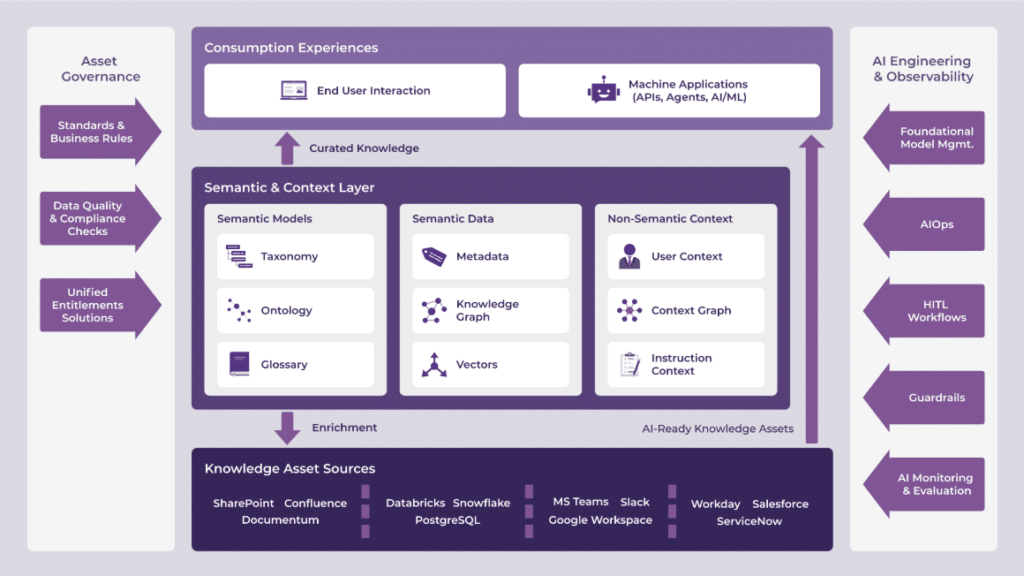
To construct a comprehensive modern helpdesk, businesses must understand the specific varieties of AI tools available and choose combinations that align with their operational footprint.
- Conversational AI Bots: Interactive chat interfaces embedded directly into apps and websites to conduct autonomous text conversations.
- Intelligent Helpdesks: Core backend platforms that use algorithms to automatically ingest, organize, prioritize, and assign incoming tickets.
- Smart Knowledge Assistants: Search engines that scan deep company databases to instantly match a user’s question with the exact sentence or manual needed.
- Voice-Based AI Infrastructure: Advanced voice synthesis and recognition engines that handle telephone calls, resolving basic issues via phone or routing users intelligently without frustrating touch-tone menus.
The Leading AI Support Platforms
Selecting the ideal technology provider requires reviewing software that balances robust algorithmic power with intuitive user interfaces.
                  ┌───────────────────────────────┐
                  │    Top Support Platforms      │
                  └───────────────┬───────────────┘
  ┌──────────────────────┼──────────────────────┐
  ▼                      ▼                      ▼
Enterprise CRM         Chat & Automation       Agile Helpdesks
- Salesforce Cloud     - Intercom (Fin AI)    - Freshdesk
- Zendesk AI           - HubSpot Service Hub   - Zoho Desk
Platforms like Zendesk AI and Salesforce Service Cloud lead the enterprise market by deeply embedding machine learning into massive customer databases, unlocking predictive analytics alongside automated drafting tools. For businesses prioritizing conversational chat interfaces, Intercom offers elite front-end conversational experiences. Meanwhile, companies seeking rapid deployment, cost-efficiency, and user-friendly automation tools often look toward Freshdesk, HubSpot Service Hub, or Zoho Desk to unify their support footprint.
How AI Directly Improves the Customer Experience
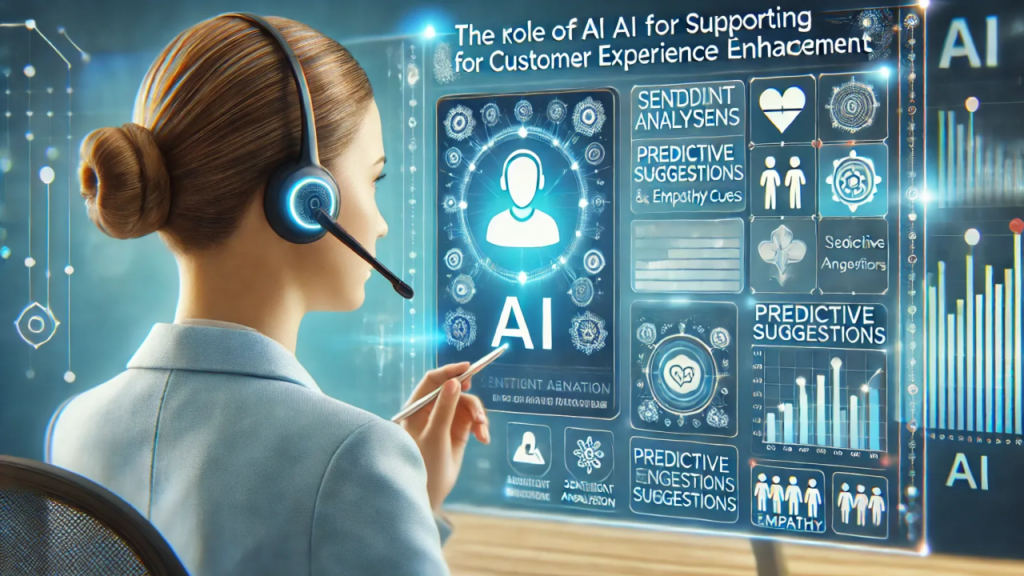
When properly configured, artificial intelligence makes customer interactions feel smoother, faster, and more intentional. Customers appreciate efficiency above all else, and AI eliminates the traditional loops of transferring individuals from department to department.
Additionally, sophisticated AI engines can securely leverage integrated CRM profiles to pull down historical data instantly. This allows the system to customize its tone and answers based on a customer’s entire purchase history, geographic location, and previous preferences. When a ticket is too complex for automation and requires human intervention, the AI system compiles a concise conversation summary for the human specialist. This ensures the customer never has to repeat their issue from the beginning.
The Hybrid Model: Fusing Algorithms with Humanity
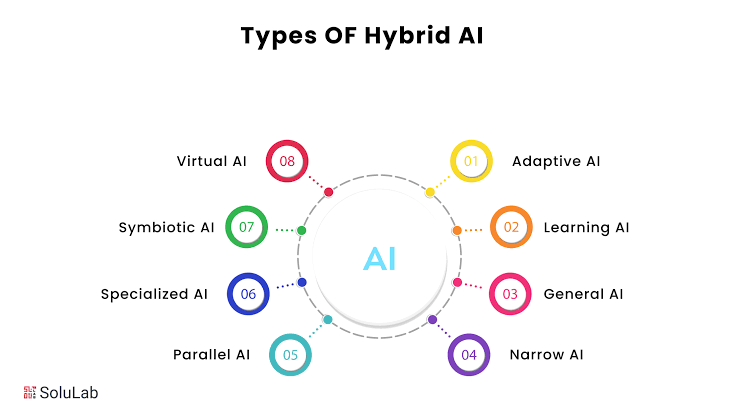
A persistent misinterpretation of digital transformation is that automated algorithms are meant to entirely replace human workforces. In practice, the most successful organizations view this technology as a cooperative hybrid model that matches artificial capability with human talent.
Strategic Rule: Algorithms excel at computing speed, processing immense data volumes, and executing repetitive tasks. Humans excel at contextual empathy, nuanced negotiation, de-escalating anger, and creative problem-solving.
[Routine Issues] ➔ Handled Instantly by AI
[Complex/Emotional Issues] ➔ Seamlessly Handled by Human Agents
When an enterprise positions AI as an automated shield that handles the mundane, repetitive workload, the human support team gains the breathing room needed to deliver truly remarkable, thoughtful, and unhurried care to users who genuinely require it.
A Framework for Selecting Your Support Tools
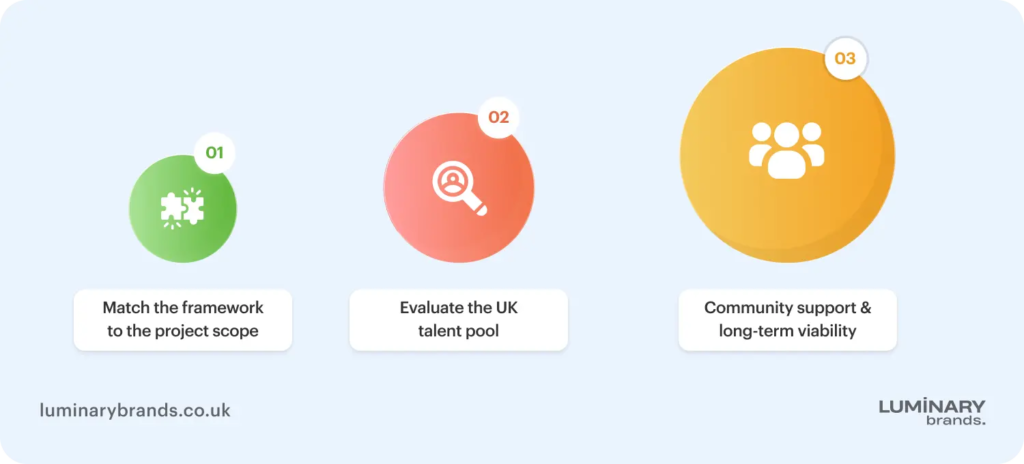
Investing in an automated support suite requires a structured evaluation of your internal workflows, engineering resources, and customer demographics. Businesses must avoid choosing software based on trendiness, focusing instead on practical utility and long-term scalability.
First, audit your existing customer contact channels to find where the majority of your tickets originate. If your team is buried in repetitive emails, prioritize software with advanced generative email drafting and predictive tagging features. If your primary traffic flows through an e-commerce storefront, focus on tools with a highly conversational, checkout-integrated chat setup. Furthermore, ensure the platform provides clear sandbox environments, robust data privacy compliance, flexible pay-as-you-grow tier pricing, and simple API options to hook into your current business software.
Navigating Technical and Operational Challenges
Implementing machine learning into a public-facing corporate channel comes with unique operational risks that require proactive mitigation. AI systems can occasionally misinterpret complex phrasing or hallucinate incorrect information if trained on outdated materials.
To safeguard your brand reputation, it is vital to maintain explicit transparency by clearly informing users when they are interacting with an automated agent rather than a human being. Organizations must also implement clear, instant escape hatches—such as a prominent “Speak to an Agent” button—so users can bypass the automation the moment a conversation veers off course. Additionally, your engineering teams must conduct regular training audits to catch errors and continually refine the model’s accuracy.
Emerging Horizons in Automated Support
The capabilities of artificial intelligence are expanding far beyond static text replies. The industry is rapidly moving toward highly proactive, predictive customer care experiences.
Instead of waiting for a system component to break or an order to be delayed before a customer reaches out, predictive AI engines will flag issues early and message consumers with solutions before they even realize a problem exists. Furthermore, voice-based AI agents are becoming indistinguishable from real humans, capable of managing nuanced phone conversations with natural tone, pacing, and emotional awareness. Generative AI is also automating deep internal knowledge creation, turning messy, unorganized developer notes into clean, customer-facing help articles with a single click.
Operational Best Practices for Implementation
To unlock maximum value from an automated support investment, avoid attempting to automate your entire helpdesk overnight. Begin by identifying your top five most frequent, repetitive customer questions and train your AI chatbots to handle those specific workflows perfectly before expanding further.
Step 1: Automate Top 5 FAQs ➔ Step 2: Audit & Optimize ➔ Step 3: Expand to Complex Flows
Keep your internal knowledge databases regularly updated, as your AI models are only as accurate as the documentation they read. Finally, build a continuous feedback loop that monitors your core performance metrics—such as average resolution speed and customer satisfaction scores—to ensure your automated systems are truly delivering a helpful, high-quality user experience.
FAQs
1. What are AI customer support tools?
AI customer support tools are software solutions that use artificial intelligence to automate customer service tasks, answer common questions, manage support tickets, and assist human agents.
2. Can AI replace human customer support agents?
No. AI is best used to handle repetitive and routine tasks, while human agents manage complex issues that require empathy, judgment, and personalized assistance.
3. What are the benefits of AI customer support?
AI can provide 24/7 support, reduce response times, automate repetitive work, improve customer satisfaction, lower operating costs, and provide valuable customer insights.
4. Which industries benefit from AI customer support tools?
E-commerce, banking, healthcare, education, travel, telecommunications, SaaS, retail, and many other industries use AI to improve customer service.