
Artificial Intelligence (AI) is no longer something that exists only in science fiction or advanced technology labs. It has become a part of our everyday lives, often working quietly in the background to make daily tasks faster, easier, and more convenient. Whether you’re unlocking your smartphone with facial recognition, asking a virtual assistant for directions, receiving personalized shopping recommendations, or watching content suggested by your favorite streaming platform, AI is helping shape these experiences.
In 2026, AI is more accessible than ever. Businesses, schools, healthcare providers, and households are using AI-powered tools to improve efficiency, save time, and provide better services. Understanding how AI works in daily life can help you make better use of the technology while staying aware of its benefits and challenges.
What Is Artificial Intelligence?
Artificial Intelligence refers to computer systems that can perform tasks that normally require human intelligence. These tasks include learning from data, recognizing images and speech, understanding language, solving problems, and making predictions.
Unlike traditional software that follows fixed instructions, AI systems can analyze information, identify patterns, and improve their performance over time. This ability allows AI to deliver more personalized and accurate results as it learns from user interactions.
How AI Is Used in Everyday Life
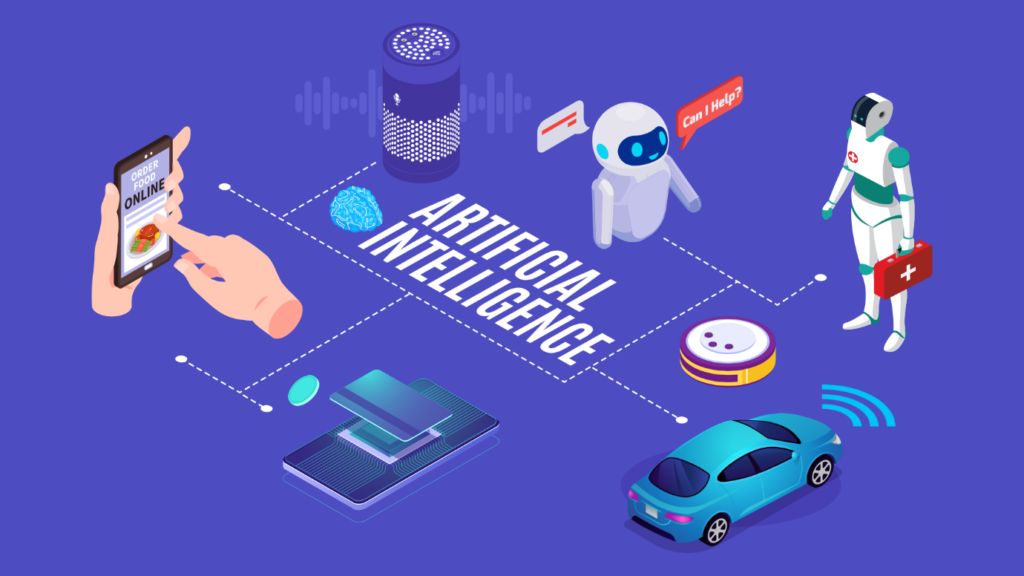
Many people use AI every day without even realizing it. From the moment you wake up until you go to bed, AI supports a wide range of activities.
Virtual assistants can answer questions, set reminders, and control smart home devices through voice commands. Navigation apps analyze live traffic conditions to recommend the fastest routes. Email services filter spam automatically, while streaming platforms suggest movies and music based on your viewing habits. Even online shopping websites use AI to recommend products that match your interests.
These examples show how AI has become an essential part of modern digital experiences.
AI in Smartphones
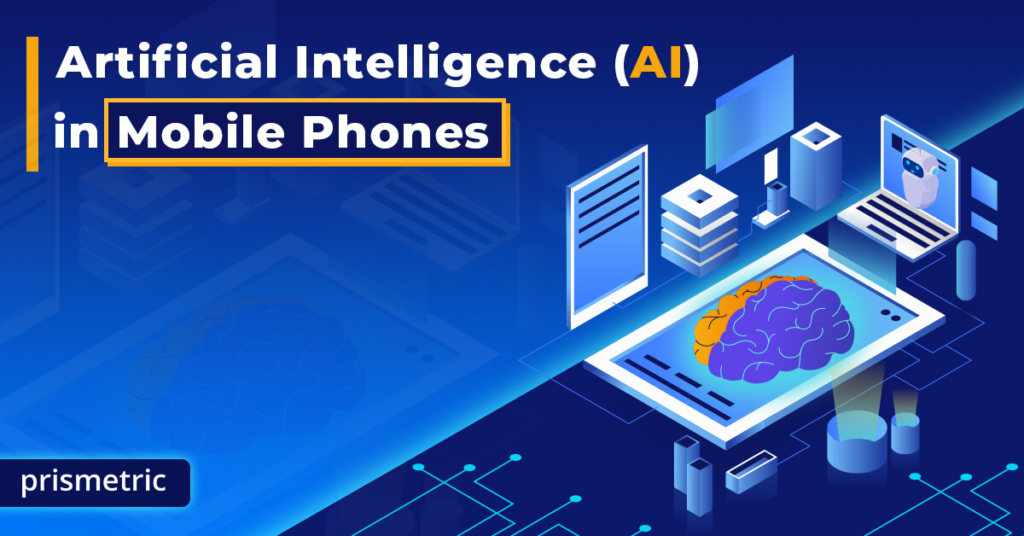
Smartphones are among the most common devices powered by AI. Modern mobile operating systems use artificial intelligence to improve camera quality, optimize battery life, recognize speech, translate languages, and organize photos automatically.
AI also enhances security by enabling facial recognition, fingerprint authentication, and advanced fraud detection for mobile payments. As smartphones continue to evolve, AI is making them smarter and more personalized than ever before.
AI in Smart Homes

Smart home technology has become increasingly popular, with AI helping automate everyday household tasks. Smart speakers can control lights, adjust thermostats, play music, and answer questions using voice commands.
AI-powered home security systems detect unusual activity, while smart appliances can learn your routines and operate more efficiently. These innovations improve comfort, convenience, and energy efficiency.
AI in Healthcare

Healthcare is one of the industries benefiting most from artificial intelligence. AI helps doctors analyze medical images, detect diseases earlier, recommend treatment options, and manage patient records more efficiently.
Wearable devices also use AI to monitor heart rate, sleep quality, physical activity, and other health metrics, giving users valuable insights into their overall well-being.
AI in Education
Students and teachers are increasingly using AI-powered educational tools to improve learning experiences. Intelligent tutoring systems provide personalized lessons based on individual learning styles and progress.
AI can also assist with language learning, automated grading, research support, and content recommendations, making education more flexible and accessible.
AI in Business and Workplaces
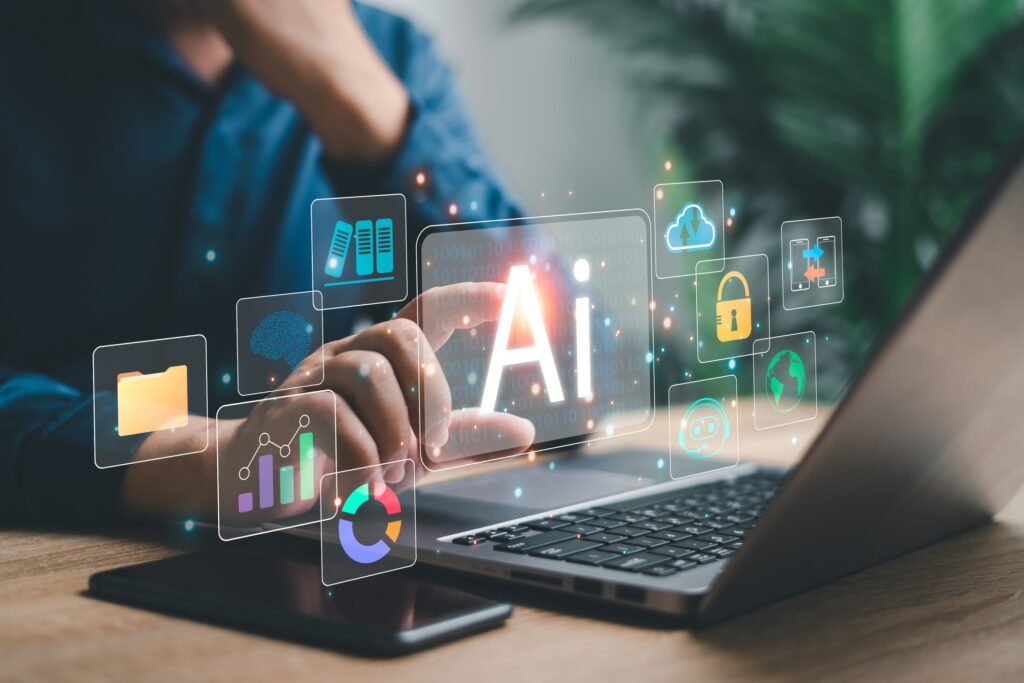
Businesses use AI to automate repetitive tasks, improve customer service, analyze large amounts of data, and support decision-making. Chatbots answer customer questions around the clock, while AI-powered software helps employees manage schedules, summarize meetings, and create reports more efficiently.
These technologies allow businesses to improve productivity while giving employees more time to focus on creative and strategic work.
AI in Entertainment
Artificial intelligence has transformed how people consume entertainment. Streaming platforms recommend movies, TV shows, and music based on viewing history and preferences.
Gaming companies use AI to create more realistic characters and adaptive gameplay, while content creators use AI tools for video editing, image generation, and audio enhancement.
Benefits of AI in Everyday Life
AI offers numerous advantages that make daily life more efficient and enjoyable.
Some of the key benefits include:
- Saves time by automating routine tasks
- Improves productivity
- Provides personalized recommendations
- Enhances security and fraud detection
- Supports better healthcare services
- Makes education more accessible
- Improves customer service
- Helps businesses operate more efficiently
These benefits continue to expand as AI technology becomes more advanced.
Challenges and Concerns

Despite its many advantages, AI also presents certain challenges. Privacy concerns, data security, misinformation, and ethical questions remain important topics of discussion. Some people also worry about the impact of automation on jobs and the responsible use of AI-generated content.
Using trusted platforms, protecting personal information, and understanding how AI systems work can help users make informed decisions while reducing potential risks.
The Future of AI in Daily Life
Artificial intelligence is expected to become even more integrated into everyday experiences over the coming years. Future developments may include smarter personal assistants, autonomous transportation, advanced healthcare diagnostics, more efficient energy management, and highly personalized digital services.
As AI continues to evolve, learning how to use it responsibly will become an increasingly valuable skill for individuals, businesses, and society.
FAQs
1. What is AI in everyday life?
AI in everyday life refers to the use of artificial intelligence in common activities, such as using smartphones, virtual assistants, navigation apps, online shopping, streaming services, and smart home devices.
2. How does AI help people every day?
AI automates routine tasks, provides personalized recommendations, improves security, supports healthcare, enhances learning, and helps users save time and increase productivity.
3. Is AI only used by technology companies?
No. AI is used in healthcare, education, finance, retail, transportation, manufacturing, customer service, and many other industries.
4. What are the benefits of AI in daily life?
Some key benefits include greater convenience, improved efficiency, better decision-making, personalized experiences, enhanced security, and smarter digital services.