
We have officially crossed the threshold into an era where artificial intelligence is no longer a speculative playground for computer scientists or an expensive luxury reserved for elite tech conglomerates. In 2026, artificial intelligence tools have seamlessly woven themselves into the very fabric of our everyday professional and personal lives, acting as an ambient, invisible engine that powers global industry, education, and artistic expression. The speed at which these advanced software platforms are evolving is entirely unprecedented, fundamentally rewriting the classic rules of manual execution and turning yesterday’s structural bottlenecks into instant, automated tasks.
For the modern professional, student, or entrepreneur, interacting with AI tools has transitioned from a novel experiment into a mandatory requirement for daily survival. We are witnessing an incredible democratization of advanced computing power, where anyone with an internet connection can now leverage massive language models, complex neural networks, and automated data pipelines to amplify their daily output. Organizations across the globe are no longer questioning whether they should adopt these intelligent applications; instead, they are racing to embed cognitive AI tools into their core operational infrastructure to protect their market share, supercharge human productivity, and unlock brand-new avenues for digital innovation.
[ Raw Ideation Framework ] ──► ( Intelligent AI System Architecture ) ──► [ Polished High-Impact Output ]
What Are Artificial Intelligence Tools?

To effectively navigate this tech-driven frontier, we must look past the flashy marketing buzzwords and clearly define what these modern applications actually represent. At their core, artificial intelligence tools are highly sophisticated software programs built to mimic human cognitive functions. By utilizing a brilliant combination of deep machine learning, natural language processing, computer vision, and real-time predictive analytics, these systems can actively interpret information rather than just store it.
Unlike legacy software applications that require rigid, step-by-step programming inputs to execute a command, modern AI tools have the unique capacity to recognize complex data patterns, learn dynamically from historical feedback loops, and adapt their logic outputs based on changing contextual parameters. This means they don’t just follow static instructions; they actively collaborate with the user, functioning as a high-speed digital brain capable of generating vivid multi-media content, parsing through chaotic oceans of institutional data, writing complex lines of software code, and making calculated recommendations with astonishing accuracy and speed.
Why AI Infrastructure Has Become Essential

The modern economic landscape moves at a relentless, hyper-accelerated pace that easily overwhelms old-school, manual working habits. Trying to manually process thousands of customer communication channels, write hundreds of lines of foundational marketing copy, or analyze massive spreadsheets by hand is a quick path to severe operational stagnation and employee burnout.
                           [ The Multi-Channel Productivity Core ]
                                             │
         ┌───────────────────┬───────────────┴───────────────┬───────────────────┐
         ▼                   ▼                               ▼                   ▼
  [ Content Copywriting ] [ Visual Design Studios ]   [ Automated Coding Labs ] [ Predictive Data Hubs ]
         │                   │                               │                   │
  (Creative Leverage)     (Branding Velocity)             (System Scale)       (Strategic Logic)
By delegating high-volume, repetitive tasks to intelligent software agents, human professionals can instantly reclaim their most valuable asset: time. This strategic shift does not diminish the value of human labor; rather, it completely elevates it. When software handles the boring, computational heavy lifting of data sorting and basic drafting, humans are finally liberated to focus 100% of their unique energy on high-level strategic direction, emotional customer connection, and creative problem-solving, resulting in a massive leap in overall organizational agility and career satisfaction.
Mapping the Modern AI Tool Classification Matrix

The ecosystem of cognitive applications has expanded into a rich, highly specialized matrix layout. Today, there is a deeply tailored AI tool engineered to solve practically every distinct operational friction point across the corporate landscape.
| Specialized AI Category | Industry-Standard Function | The Main Operational Impact |
| Conversational LLMs | Brainstorming, editing, and drafting complex text documents. | Collapses content creation windows from days to seconds. |
| Generative Image Models | Transforming descriptive text prompts into visual art. | Completely democratizes graphic design and prototyping. |
| Autonomous Coding Pilots | Generating, debugging, and explaining software code syntax. | Accelerates product development cycles for engineering teams. |
| Predictive Analytics Hubs | Scanning massive datasets to uncover hidden market patterns. | Strips dangerous guesswork out of high-level corporate choices. |
The Demise of Writer’s Block: AI Content Creation

The world of professional writing, journalism, and corporate copywriting has been completely revolutionized by the widespread availability of advanced AI text assistants. The old, painful ritual of sitting in front of a blank screen, staring helplessly at a flashing cursor for hours, has been permanently erased from the creative experience.
Modern creators utilize engines like ChatGPT and Gemini to act as an unwearied, hyper-knowledgeable brainstorming partner. Writers can feed these models raw, fragmented notes and watch them instantly transform those messy ideas into highly organized content outlines, engaging social media campaigns, informative blog drafts, and optimized search engine descriptions. Furthermore, these platforms allow authors to seamlessly adjust the emotional tone, structural complexity, and localized phrasing of their written copy in real time, ensuring that an organization can maintain a completely unified, highly polished brand voice across every single distribution channel simultaneously.
Revolutionizing Enterprise Workflows and Operations
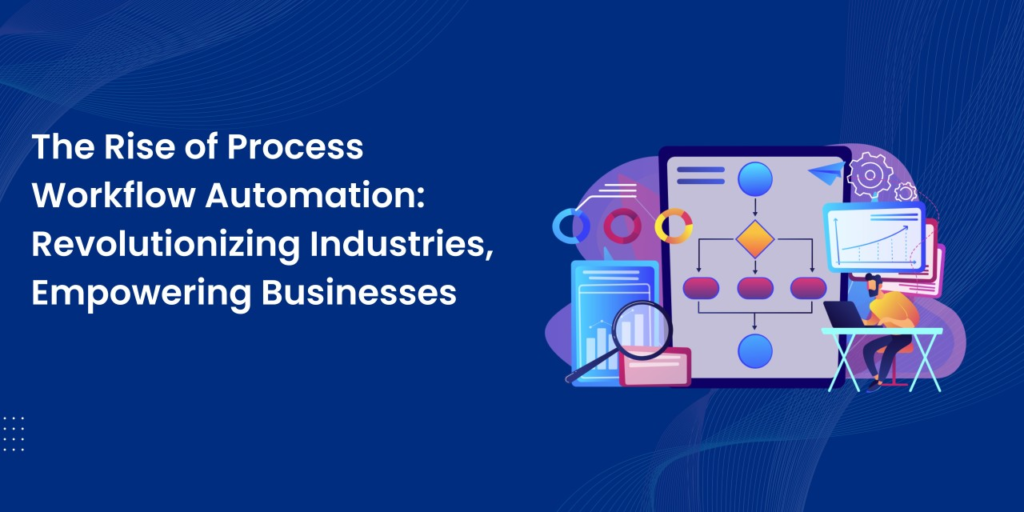
Deep within corporate structures, invisible administrative delays have historically acted like a slow poison, dragging down operational momentum through slow invoice processing, manual data synchronization, and clunky email threads. Intelligent AI workflow platforms act as an automated digital conductor that slices through this structural red tape.
  [ Incoming Client Email ] ──► [ AI Detects Emotional Intent ] ──► [ Auto-Pulls CRM Account File ]
                                                                                   │
                                                                                   ▼
  [ Instant Custom Answer ] ◄── [ AI Generates Precise Solution ] ◄────────────────┘
Modern customer relationship management platforms supercharged with machine learning can automatically track customer behaviors, forecast precise sales pipelines, and flag accounts that are at risk of churning long before the human account executive notices a change. In customer support, advanced conversational virtual assistants carry on fluid, highly natural dialogues with users, resolving complex transactional issues and tracking packages 24/7 in any human language. This seamless operational automated structure allows small, lean corporate teams to smoothly manage thousands of simultaneous customer pipelines without expanding their physical corporate footprint.
The Democratization of Visual Art and Graphic Design

For decades, translating a brilliant mental concept into a jaw-dropping visual asset required a deep mastery of highly complex vector software or years of specialized artistic training. This high technical barrier frequently alienated non-technical marketers and small business owners from executing their creative visions.
Generative image design tools have completely shattered those structural walls. High-fidelity rendering engines allow creators to sculpt cinematic conceptual art, design striking brand logos, and build immersive marketing materials by simply typing in descriptive human language. Inside standard production suites, intelligent tools enable creators to perform seamless object removal, automated background expansions, and lightning-fast video color-correction with basic commands. This paradigm shift dramatically accelerates visual content creation cycles, enabling design departments to test dozens of unique marketing concepts in minutes and bring highly polished visual stories to life with absolute ease.
Software Engineering at the Speed of Thought

The realm of software development has emerged as one of the fastest adopters of intelligent automation tools. Modern engineering teams no longer write every single line of foundational code manually from scratch; instead, they operate as high-level directors of AI-powered autonomous coding pilots.
“The programming language of the future is natural human language, as AI tools bridges the gap between raw logical thought and compiled machine code.”
These highly intelligent development assistants work silently directly inside the code editor, predicting future code structures, instantly spotting hidden security vulnerabilities, and recommending optimal debugging paths on the fly. If an engineer encounters a legacy script written in an unfamiliar language, the AI can instantly deconstruct the logic, write clear explanatory notes, and translate the framework into modern code in seconds. This collaborative programming model drastically lowers the barrier to entry for aspiring software developers, minimizes embarrassing system errors, and accelerates software launch windows exponentially.
Personalizing the Global Educational Landscape

The traditional, industrial-era approach to classroom education—where a single teacher delivers a rigid, one-size-fits-all lecture to thirty unique students simultaneously—is being thoroughly disrupted by personalized AI learning architectures.
Every single student possesses a totally unique learning signature, absorbing concepts at different speeds and responding to distinct visual or textual teaching methods. Modern AI learning platforms act as a highly patient, twenty-four-hour personal tutor for individual students. These systems can instantly analyze a student’s private test performance, locate their exact conceptual blind spots, and autonomously construct customized study schedules, generate interactive practice quizzes, and break down complex quantum physics theories into simple analogies that match the learner’s current cognitive level. For educators, these tools handle the time-consuming administrative burdens of grading and lesson planning, freeing up valuable time for deep, meaningful human-to-human mentorship and emotional encouragement.
Extracting Actions from the Ocean of Big Data
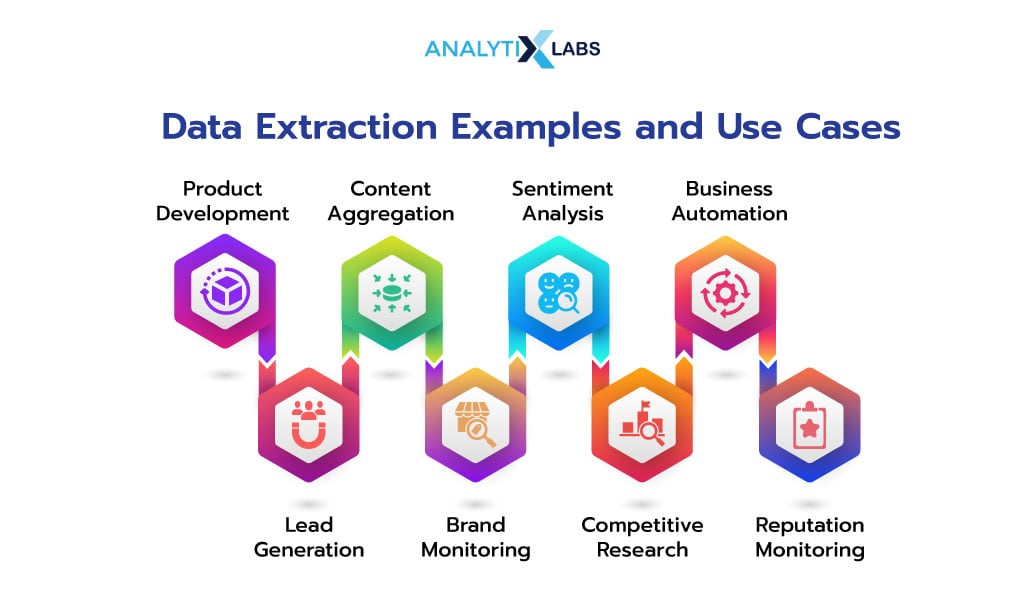
Modern organizations are completely drowning in massive data oceans. Every click, purchase, swipe, and review generates data, but this raw information is fundamentally useless if it sits rotting inside cold server vaults without a way to decode its true meaning.
  [ Messy Data Lake ] ──►  Unorganized Logs, Missing Fields, High Cognitive Noise
                                         │
  [ AI Filtering Hub ] ──►  Real-Time Trend Tracking, Predictive Charts, Clean Logic
AI-powered data analytics engines act as a structural filter that instantly tames this analytical chaos. These platforms can ingest millions of unstructured operational data points in seconds, spotting hidden consumer purchasing micro-trends, detecting structural supply chain risks, and building crystal-clear visual performance dashboards for executive leaders. Having access to these automated predictive insights allows modern businesses to completely abandon risky, speculative gut-feeling choices and base their long-term corporate growth roadmaps on concrete, real-time data realities, allowing them to navigate market pivots with absolute corporate confidence.
Selecting the Optimal Cognitive Armory
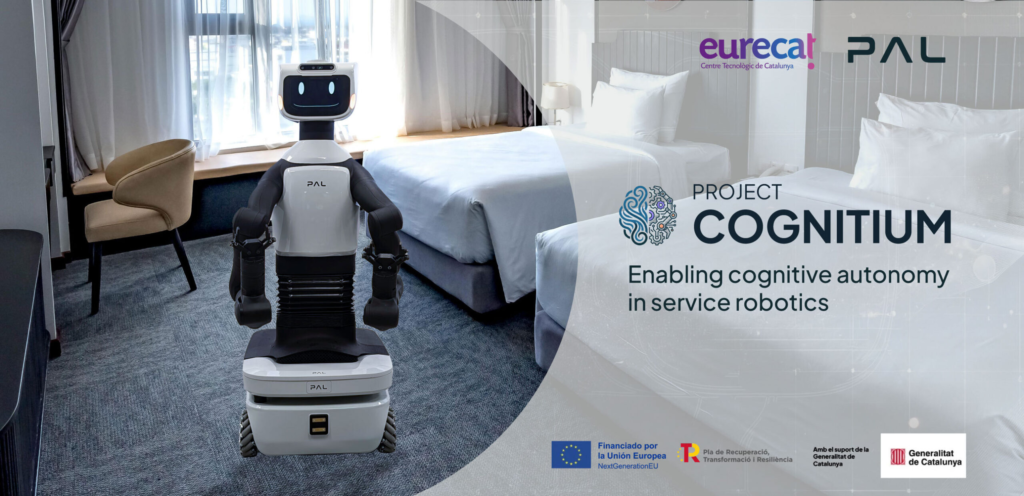
Because the modern technology market is completely flooded with thousands of competing AI applications, attempting to build your personal or corporate toolbox can feel incredibly overwhelming to the untrained eye. You must avoid the common trap of downloading every flashy application you see on social media.
Building an elite tech stack requires a highly calculated evaluation of your actual workflow bottlenecks, integration options, and budget parameters. Always prioritize applications that offer flexible API links, ensuring that your writing assistants, visual databases, and project trackers can share data with one another smoothly without requiring annoying, manual copy-pasting. Before committing your hard-earned capital to expensive enterprise subscription tiers, make it a strict rule to thoroughly stress-test free trial versions. This allows your team to verify that a tool’s user interface is genuinely intuitive and that its data-processing capabilities can scale comfortably alongside your long-term business goals.
Navigating the Ethical Pitfalls and System Flaws
As we celebrate the magnificent productivity breakthroughs unlocked by these modern applications, we must deliberately maintain a sharp, critical eye regarding their profound operational limitations, security vulnerabilities, and deep ethical hazards.
The most critical reality to understand is that AI tools are completely capable of experiencing a phenomenon known as “hallucination”—outputting completely false, fabricated information with absolute mathematical confidence. Therefore, allowing an algorithm to publish text or push code completely unsupervised without a human-in-the-loop review is an absolute recipe for corporate disaster. Organizations must also confront serious concerns regarding consumer data privacy leaks, algorithmic biases hidden deep inside training datasets, subscription price creep, and the creeping danger of cognitive dependency, where teams lose their foundational critical thinking skills due to over-relying on automated software commands.
[ Raw AI Output Draft ] ──► ( Stringent Human Verification & Fact-Check ) ──► [ Safe Published Asset ]
Best Practices for Achieving Harmonious Human-AI Synergy

To extract the maximum competitive advantage from the world of artificial intelligence, you must fundamentally change how you view your relationship with software. AI tools should never be treated as a complete replacement for human genius, but rather as the ultimate creative co-pilot.
The absolute most profitable skill of the modern digital era is the art of prompt engineering—learning how to provide software with crystal-clear instructions, detailed background context, and specific role parameters to yield elite results. Always approach generative outputs with a healthy dose of professional skepticism. Use AI to handle seventy percent of the initial heavy lifting—such as rapid brainstorming, raw formatting, and structure building—and then inject your own unique human emotional intelligence, lived experiences, critical storytelling skills, and rigorous fact-checking to polish the final asset into a masterpiece that truly connects with people.
Standing on the Horizon of Autonomous Execution
As we look forward past 2026 toward the future landscape of human-computer collaboration, the capabilities of artificial intelligence tools are shifting from a passive, reactive design into a world of fully autonomous agency.
The next generation of AI tools will not wait around for you to type in a basic, localized prompt. Instead, they will function as proactive digital managers that operate continuously in the background of your life. They will securely analyze your daily workflow patterns, anticipate your business demands, autonomously coordinate complex project calendars, manage multi-channel marketing campaigns, and solve data discrepancies across global corporate networks without needing human supervision. By pairing this breathtaking technical processing power with our authentic human values, ethical frameworks, and creative visions, we can confidently march into a hyper-productive, deeply inspiring digital future where technology tirelessly expands the boundaries of what humanity can achieve.
FAQs
What is the primary difference between a legacy app and an AI tool?
Legacy software applications follow a very rigid, pre-written checklist of rules; if a user inputs an unexpected variable, the legacy software breaks. AI tools utilize cognitive networks to understand natural human language, look over messy, unorganized data files, learn from their mistakes, and adapt their behaviors dynamically.
How do I protect my proprietary corporate data when using public AI tools?
You must be incredibly cautious. When using public AI engines, your inputs can be absorbed to train future models. To protect your trade secrets, you must explicitly opt-out of data training histories, utilize enterprise-grade private accounts with strict data-deletion clauses, or deploy local, open-source models that run completely offline inside your private servers.
Are premium AI tool subscriptions genuinely worth the monthly cost?
For active professionals and scaling businesses, yes, absolutely. While free versions are fantastic for basic learning, paid premium accounts unlock vastly superior reasoning engines, faster data-processing speeds, and crucial software integrations that easily save power users hours of manual work every week, delivering a massive return on investment.
Can AI tools safely replace human content writers and graphic designers?
No, they cannot replace the raw human soul. While AI tools are incredible at spitting out high-volume drafts, basic summaries, and initial conceptual layouts at speed, they completely lack real human empathy, emotional nuance, authentic life experiences, and cultural context, which are the vital ingredients required to build real connections with an audience.
How can a small business owner begin using AI if they have zero tech skills?
Start small and focus entirely on high-impact, easy-to-use tools. Integrate an intuitive AI writing assistant to help draft your marketing emails, or add a simple drag-and-drop AI chatbot plug-in to your website to handle basic after-hours customer queries. This allows you to scale up your tech confidence gradually without feeling completely overwhelmed.