
Artificial Intelligence has permanently broken out of its cage as a mere tech-industry talking point. In 2026, AI functions as the primary, quiet engine powering our global economy—silently sorting corporate job applications, calculating complex banking loans, detecting early-stage cancers in hospitals, and predicting public infrastructure needs. Yet, as this incredible software grows more capable of mimicking human logic, it exposes a massive, glaring vulnerability: if we build systems that lack human empathy, fairness, and strict ethical guardrails, we risk amplifying society’s worst flaws at a lightning-fast digital scale.
This reality has elevated AI ethics from a minor compliance checkbox to an absolute crisis point for corporate boardrooms, international governments, and civil society alike. We are realizing that building an advanced neural network isn’t just a challenge of writing smart code; it is an immense moral responsibility. If left entirely unchecked, these systems can unintentionally ruin lives, strip away human dignity, and permanently break down the delicate fabric of public trust. Ensuring that technology evolves responsibly is the definitive, essential human struggle of our digital era.
Decoding AI Ethics: The Boundaries of Code
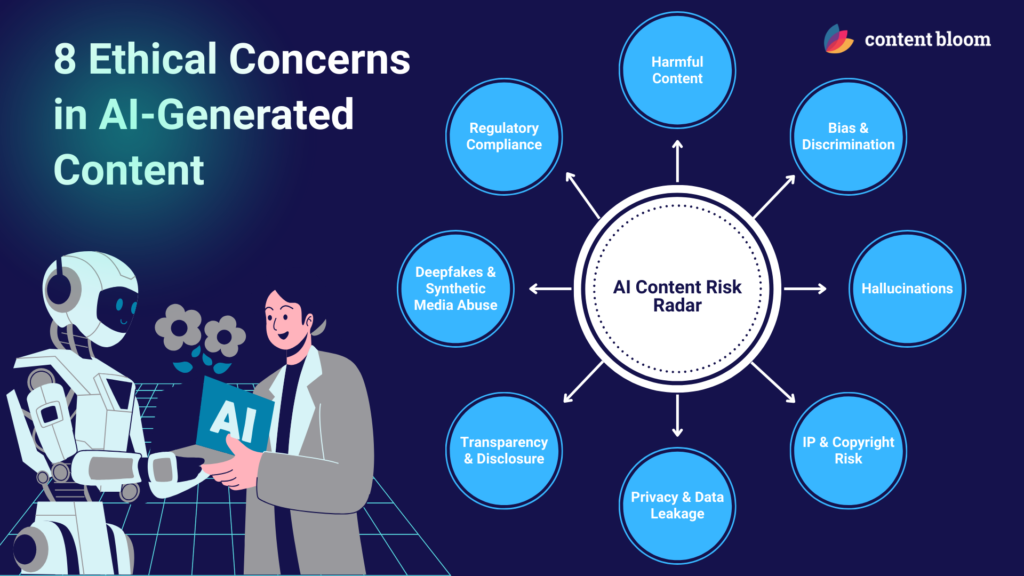
To understand how to fix these systems, we have to clearly define what we are actually fighting for. AI ethics is a strict, comprehensive framework of moral principles specifically engineered to guide the development, deployment, and daily usage of autonomous software systems. It isn’t about teaching a computer how to feel emotions; it is about forcing developers to embed human values into core programming.
[ Raw Unfiltered Data ] ──► ( Ethical Audit & Fairness Filters ) ──► [ Safe Training Set ]
                                                                             │
                                                                             ▼
[ Human-Verified Choice ] ◄── ( Explainable Logic Framework ) ◄──────────────┘
The core objective of this digital boundary is straightforward: maximize the life-changing benefits of machine intelligence while aggressively shrinking its potential for harm. An ethical AI system is one that operates with deep respect for basic human rights, actively protects personal sovereignty, and ensures that its mathematical choices always lift society up rather than locking marginalized communities out.
The Hidden Trap of Algorithmic Bias
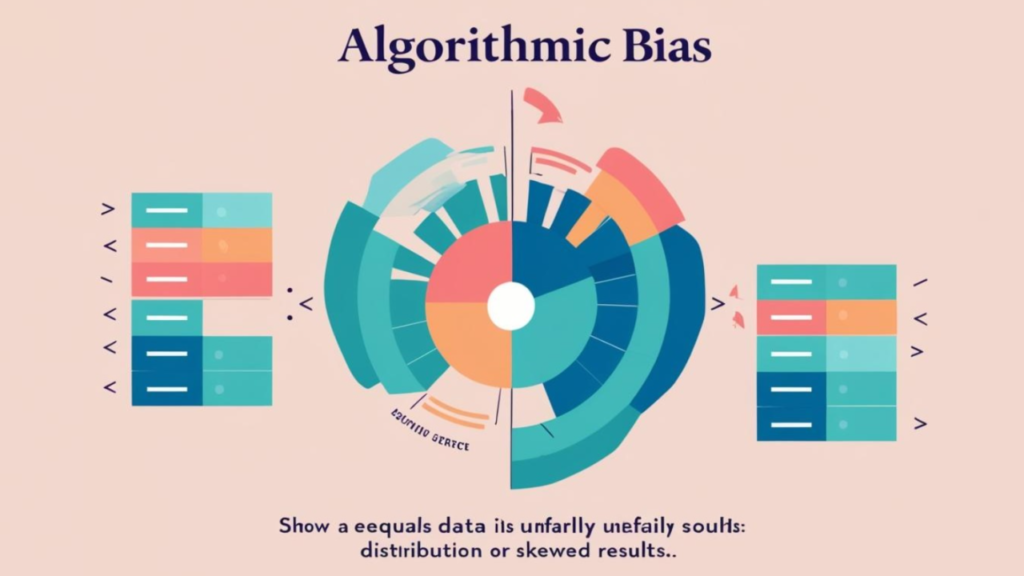
The single most dangerous illusion of modern computing is the belief that mathematics is inherently neutral. Because AI models learn how to make choices by studying historical human data, they act like a mirror. If the historic data you feed into an algorithm contains old societal prejudices, the AI will unintentionally absorb those biases and enforce them with absolute, automated precision.
We are already seeing the devastating real-world impact of this pattern. Automated hiring software has been caught completely throwing out brilliant resumes simply because an applicant’s name or background didn’t align with old corporate demographics. In the banking world, loan-approval algorithms have unfairly denied lines of credit to qualified families based on biased zip-code history. To break this destructive cycle, tech teams must commit to rigorously auditing their training datasets, diversifying the engineering teams building the code, and deploying strict fairness-testing protocols to catch algorithmic discrimination before it ever touches the real world.
Guarding the Sacred Vault of Personal Privacy
Modern machine learning models have an unquenchable, terrifying thirst for information. To train a highly accurate model, software companies routinely scrape massive oceans of consumer data—ranging from your private text logs and medical records to your live physical location coordinates. This has turned personal data privacy into a non-negotiable battleground for human rights.
The Core Safeguards of Secure Data Architecture
- Enforcing Explicit Consent: Businesses must stop hiding data-collection practices behind pages of confusing legal jargon; users deserve absolute clarity regarding exactly what data is being tracked and why.
- Deploying Advanced Encryption: Sensitive data files must be protected using cutting-edge cryptographic protocols and decentralized storage systems that make it impossible for hackers to weaponize personal files.
- The Right to Erasure: Individuals must retain complete digital sovereignty over their own lives, including the absolute right to wipe their historical data from an AI’s memory bank completely at any time.
The Urgent Need for Absolute Operational Transparency

One of the most terrifying technical characteristics of advanced neural networks is a phenomenon known as the “black box” problem. This occurs when a deep learning model becomes so immensely complex that even the brilliant software engineers who created it cannot explain exactly why the mathematical system arrived at a specific conclusion.
  [ Input Data File ]   ──►  [ Unexplainable "Black Box" Neural Process ] ──► [ Final Decision ]
                                               │
  [ Transparent Approach ] ──►  [ Labeled, Understandable Logic Steps ]    ──► [ Explainable Audit Trail ]
When an AI is merely recommending a movie streaming playlist, a lack of transparency is perfectly fine. But when an algorithm denies a patient a life-saving medical treatment, flags a citizen as a security risk, or rejects a student’s college application, a lack of clarity is completely unacceptable. We must collectively demand a shift toward Explainable AI (XAI)—systems engineered to output clear, human-readable logic logs alongside their final decisions. This transparency gives everyday people the power to challenge incorrect choices and keeps software platforms fundamentally honest.
Establishing Unyielding Human Accountability

When a human doctor commits medical malpractice or a financial officer commits fraud, society has a clear legal framework to hold that individual accountable. But who do you blame when an autonomous AI algorithm makes a catastrophic error that destroys someone’s life savings or misdiagnoses a critical illness?
The tech world must never allow corporations to hide behind the lazy excuse that “it was just a computer mistake.” We must build unyielding, clear frameworks of human accountability that place ultimate responsibility squarely on the shoulders of the corporate executives, product managers, and software developers who deployed the system. If an autonomous model goes off the rails, there must be clear legal and operational channels to pull the plug immediately, investigate the root mathematical cause, and provide meaningful financial and emotional justice to the victims of the glitch.
Human-Centered Design: Tools, Not Dictators
The ultimate philosophical goal of technological advancement should never be the complete replacement of the human spirit. The absolute best implementation of technology is Human-Centered AI—systems designed to expand human capability, protect user safety, and elevate our collective quality of life.
| AI System Philosophy | How It Approaches Human Workers | The Ultimate Societal Impact |
| Replacement Model | Attempts to fully automate roles to eliminate human payroll. | Widespread economic displacement and loss of empathy. |
| Human-Centered Model | Acts as an intelligent co-pilot, handling tedious administrative tasks. | Dramatically boosts human creativity, output, and satisfaction. |
By keeping human needs, physical accessibility, and emotional inclusivity at the absolute center of software development, we can build a future where technology safely amplifies our strengths rather than exploiting our vulnerabilities.
The Economic Rewards of Running an Ethical Business
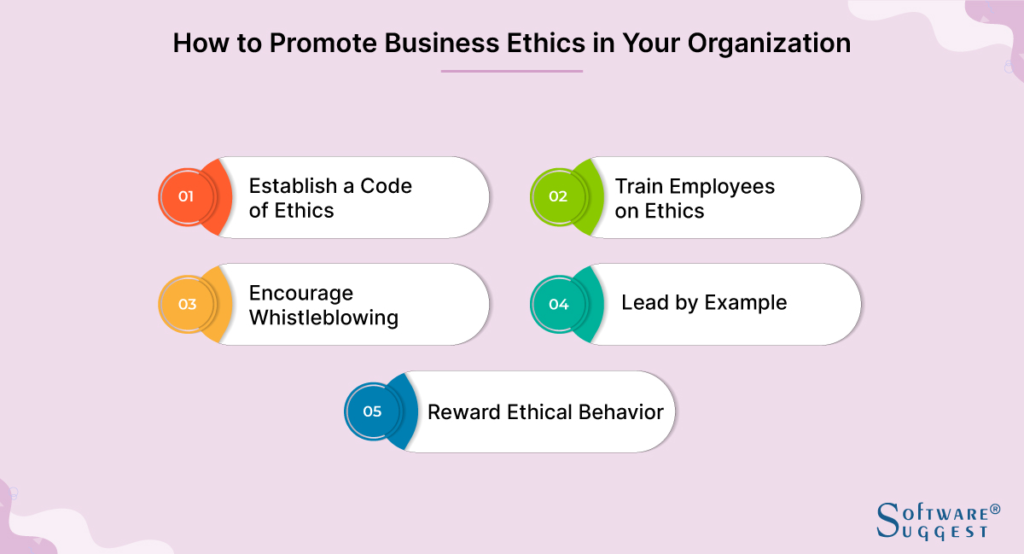
Some short-sighted business owners view ethical guidelines as an annoying regulatory anchor that slows down corporate profits. However, in the modern marketplace, operating an ethical, responsible AI strategy is a massive competitive advantage that builds deep customer retention.
Modern consumers are incredibly savvy; they actively avoid brands that treat their personal data carelessly or deploy discriminatory automated systems. Organizations that prioritize regular independent algorithm audits, transparent data policies, and open communication build an unbreakable bond of trust with their marketplace. Doing things the right way actively protects a company from public relations disasters, helps them avoid devastating regulatory fines, and strengthens long-term brand equity in a world where corporate integrity has become a rare, highly valuable commodity.
The Crucial Role of Global Governance and Regulation
We can no longer rely on massive silicon valley tech conglomerates to self-regulate their own creations. Leaving corporations topolice themselves is an absolute recipe for disaster. This is why international governments must step up to create unified, enforceable AI safety laws.
Policymakers across the globe are working around the clock to build legislative frameworks—like the European Union’s landmark AI Act—that categorize software systems based on their potential risk levels. High-stakes systems used in law enforcement, critical infrastructure, and education are subjected to uncompromising, rigorous safety checks and data validation laws before they are allowed near the public. The ultimate goal of smart regulation is not to kill helpful innovation; it is to build a protective cage around dangerous algorithms, ensuring that our technological progress never outpaces our ability to keep people safe.
The Friction of Implementing Digital Conscience
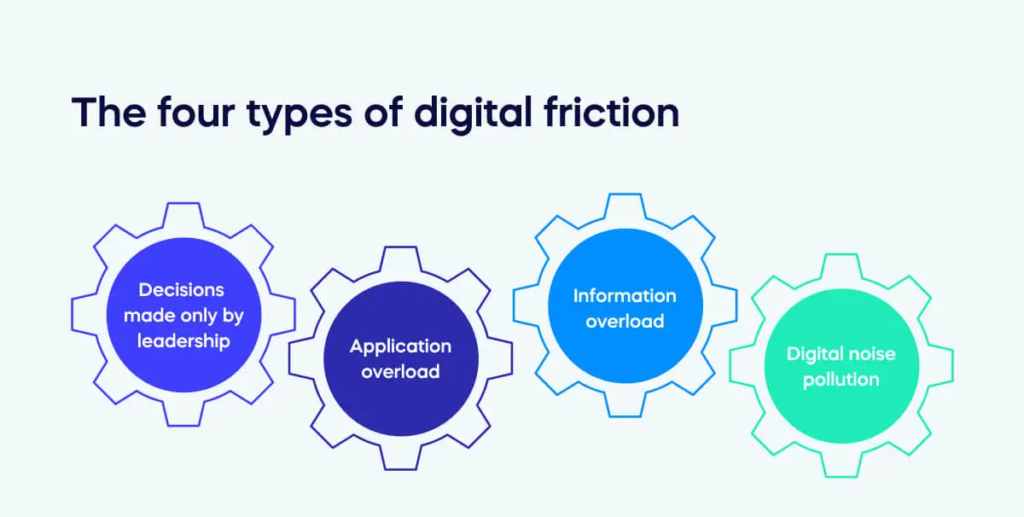
While it is very easy to write beautiful essays about the theoretical importance of fairness and transparency, actually executing these ethical frameworks inside complex corporate codebases is an uphill battle.
The first major hurdle is the sheer speed of innovation; new open-source models are dropped onto the internet every week, moving vastly faster than slow government legislative bodies can write laws. The second challenge is the inherent complexity of global human values. What is considered perfectly ethical, fair, and normal in one country might be viewed as deeply invasive or offensive in another. Navigating these messy geopolitical differences requires tech organizations to continuously re-evaluate their code, hire dedicated internal AI ethicists, and remain endlessly adaptable as societal expectations shift around them.
Charting the Path to a Trustworthy Horizon
As we look out toward the far horizon of the digital era, the long-term survival of our tech-driven society hinges entirely on our ability to build trustworthy, predictable, and explainable systems.
The next great breakthroughs in computer science will not just be about adding more parameters to raw models; they will center around creating brilliant automated fairness-testing engines, advanced data-anonymization pipelines, and cross-border governance alliances. By choosing to plant our feet and prioritize human well-being over unguided, reckless growth, we can build a brilliant future where artificial intelligence acts as a safe, highly collaborative partner—a future where technological innovation doesn’t diminish our humanity, but rather safeguards a fairer, more inclusive world for generations to come.
FAQs
How can a software algorithm truly be “biased” if it’s just math?
Because math requires data to learn. If an AI is trained on historical court records from an era where certain demographics were systematically targeted more harshly, the AI takes that historical injustice, labels it as a correct data pattern, and continues to repeat it in its future predictions.
What should I do if I suspect an AI made an unfair decision about me?
You have the right to demand answers. In an increasing number of countries, consumer protection laws allow you to request a clear human review of any high-stakes automated decision, forcing the company to provide a human explainable breakdown of the logic used.
Is it possible to completely remove all bias from an AI model?
Honestly, no. Because human data itself can never be perfectly objective, and defining what is “perfectly fair” varies wildly depending on the context. The realistic goal is continuous mitigation—aggressively minimizing harmful biases through non-stop auditing and human checks.
How do massive AI models impact global environmental sustainability?
Training a single state-of-the-art AI model requires an immense amount of computational power, which devours huge amounts of electricity and generates a heavy carbon footprint. Ethical development requires companies to invest in energy-efficient chip designs and power their server hubs with 100% renewable energy.
Can open-source AI software be effectively regulated?
It is incredibly difficult, because once code is released openly onto the internet, anyone can download it and modify it in private. Governments are tackling this by shifting regulation toward the massive compute providers and physical chip manufacturers, controlling the hardware infrastructure required to run those models.