
Imagine you are teaching a child how to recognize a dog. You don’t hand them a giant manual detailing paw-to-tail ratios or exact ear angles. Instead, you point to a dog and say, “That is a dog.” After seeing a few different breeds, the child’s brain automatically figures out the underlying patterns.
Machine Learning (ML) is a branch of Artificial Intelligence (AI) that works exactly the same way for computers. Instead of forcing programmers to write millions of lines of rigid, fixed code for every single scenario, we give the computer a massive pile of data and let it learn the patterns on its own. It is the technology that quietly runs your favorite streaming apps, filters out your email junk, and powers the smart assistants in your pocket.
What Is Machine Learning?
At its core, Machine Learning is the science of turning data into experience. Traditional computer programs are like strict baking recipes—if you follow the steps exactly, you get a cake. But if the kitchen temperature changes or you use a different type of flour, the whole thing ruins because the recipe cannot adapt.
An ML model, however, behaves like an experienced chef who learns from mistakes. It looks at thousands of past examples, studies the relationships between different pieces of information, and constantly tweaks its approach to get better. For instance, when a music app recommends a song you instantly love, it isn’t magic. The system analyzed your personal listening history, compared it to millions of other music fans, and spotted a hidden pattern in your taste.
How Computers Actually Learn: The Six-Step Journey
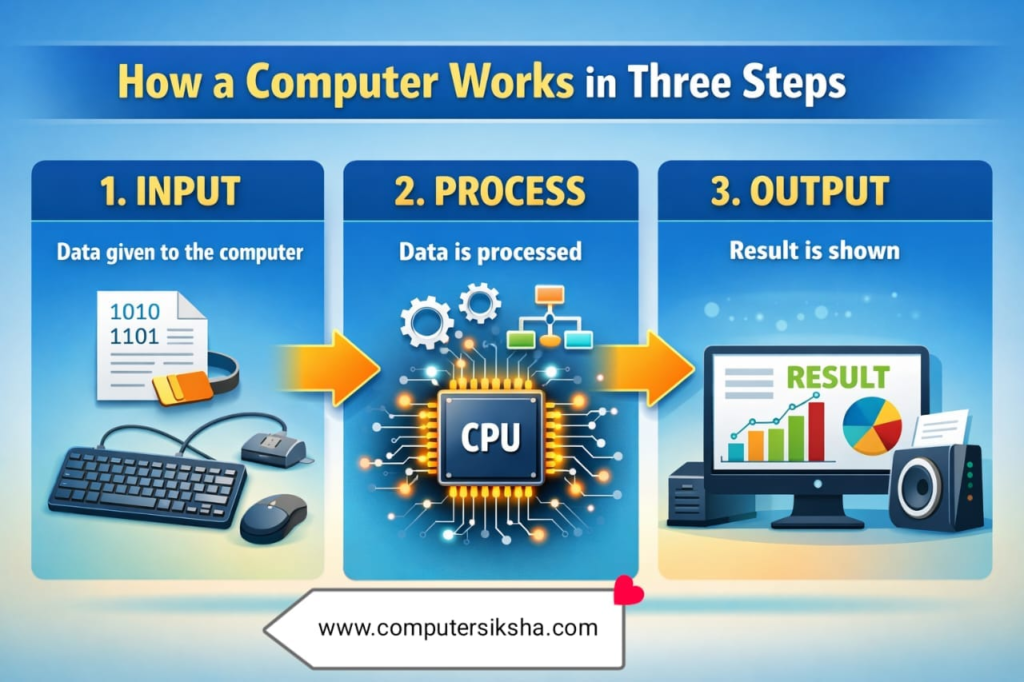
Building a machine learning system is a lot like training for a marathon. You cannot just jump into the race on day one; you need a structured, step-by-step process to build up your strength and skill.
1. Data Collection
Data is the absolute fuel of machine learning. If you want a computer to recognize a specific plant disease, you must first gather thousands of images of leaves. The quality and sheer variety of this data dictate how smart your final model will eventually become.
2. Data Preparation
Raw data is almost always messy. It contains errors, missing pieces, and random duplicates. During this phase, engineers scrub the data clean and organize it so the computer doesn’t get confused by bad input.
3. Choosing a Machine Learning Model
Not all problems are solved the same way. Developers must select the right type of mathematical algorithm based on the goal. Some models are built specifically to find objects in images, while others excel at reading human text or predicting stock prices.
4. Training the Model
This is where the actual learning happens. The computer looks at the prepared data over and over again. Every time it gets a pattern wrong, it automatically adjusts its internal math settings to do better on the next try.
5. Testing and Improving
Before letting a model interact with real users, you have to grade its performance. Engineers test it with a brand-new set of data that it has never seen before. If the score is too low, they adjust the system’s knobs or feed it more examples.
6. Making Real-World Predictions
Once the model consistently passes its tests, it is deployed into live applications. Now, when a user uploads a new photo or asks a question, the model can instantly analyze the information and make highly accurate decisions.
The Three Main Ways Machines Learn
Just like humans learn differently in a classroom compared to playing a sport, computers have three distinct learning styles depending on the task at hand.
| Learning Type | The Human Analogy | Common Real-World Use |
|---|---|---|
| Supervised Learning | Learning with a teacher who grades your homework. | Sorting your email inbox into “Inbox” or “Spam”. |
| Unsupervised Learning | Sorting a messy closet into neat piles by yourself. | Grouping online shoppers based on their habits. |
| Reinforcement Learning | Training a dog using treats for good behavior. | Teaching self-driving cars how to navigate traffic. |
Supervised Learning: The Guided Approach
In this method, the computer is given a fully labeled dataset. Think of it as a massive flashcard deck where every single picture has the answer written on the back. The model practices on these cards until it can correctly predict the labels on completely new images. It is perfect for things like credit card fraud detection and medical diagnosis.
Unsupervised Learning: Finding Hidden Links
Here, the data has absolutely no labels or answers. The computer is simply handed a giant pile of raw information and told to find order in the chaos. It looks for subtle similarities and organic groupings that human eyes might completely miss. Businesses love this for customer segmentation, allowing them to spot distinct buyer groups effortlessly.
Reinforcement Learning: Trial and Error
This style drops the computer into an environment with a strict system of rewards and penalties. It doesn’t know the rules at first, so it makes random moves. When it does something right, it gets a digital point; when it fails, it loses a point. Over millions of attempts, the system figures out the absolute best strategy to maximize its score. This is how modern robotics and automated chess masters are built.
How Machine Learning Reshapes Our Daily Lives
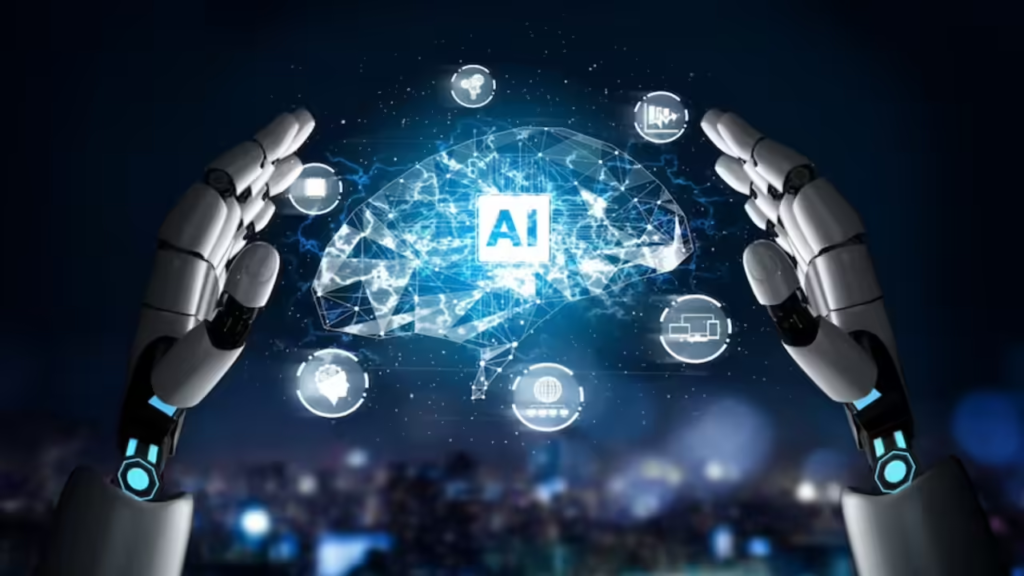
You don’t need to visit a high-tech science lab to see machine learning in action. It is already deeply woven into the fabric of our modern world, transforming critical industries every single day.
                      ┌──────────────────────────────────────────┐
                      │    REAL-WORLD APPLICATIONS OF ML         │
                      └────────────────────┬─────────────────────┘
                                           │
         ┌───────────────────┬─────────────┴─────────────┬───────────────────┐
         ▼                   ▼                           ▼                   ▼
┌──────────────────┐┌──────────────────┐        ┌──────────────────┐┌──────────────────┐
│    HEALTHCARE    ││     FINANCE      │        │  ENTERTAINMENT   ││  TRANSPORTATION  │
├──────────────────┤├──────────────────┤        ├──────────────────┤├──────────────────┤
│ • Spotting tumors││ • Stopping fraud │        │ • Custom playlists││ • Smart routes   │
│ • DNA analysis   ││ • Market trends  │        │ • Movie choices  ││ • Self-driving   │
│ • Drug discovery ││ • Credit scores  │        │ • Content feeds  ││ • Traffic flows  │
└──────────────────┘└──────────────────┘        └──────────────────┘└──────────────────┘
In modern healthcare, ML is becoming a doctor’s most reliable assistant. By reviewing millions of historic X-rays and MRI scans, smart algorithms can spot microscopic signs of disease days or even weeks before a human specialist might notice them, saving countless lives through early intervention.
The financial world moves far too fast for humans to watch every transaction. Machine learning monitors global banking networks 24/7, instantly freezing accounts if an unusual spending pattern pops up thousands of miles away from a user’s actual location.
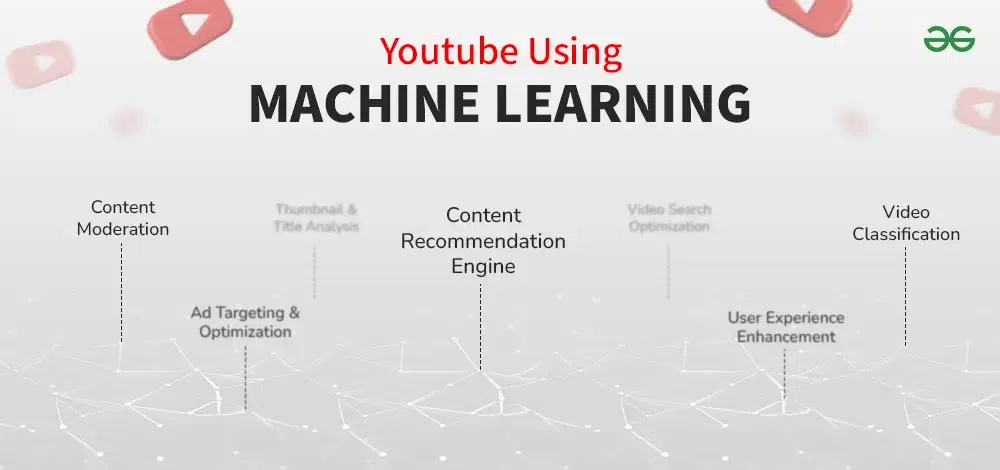
When it comes to entertainment and online shopping, ML acts as your ultimate personal assistant. It notes which videos you watch, which products you linger on, and what you add to your cart. It then uses this data to curate a completely unique storefront built specifically around your current mood and lifestyle.
Weighing the Pros and Cons

While machine learning feels like an absolute superpower, it is important to remember that it is a human tool with its own distinct set of flaws.
The Big Advantages
The greatest strength of ML is its ability to automate incredibly complex tasks. It can process millions of data points in the blink of an eye, finding solutions to massive problems that would take a human lifetime to calculate manually. It reduces human error, works around the clock without getting tired, and constantly gets smarter over time.
The Current Challenges
On the flip side, an ML model is only as good as the data you feed it. If your training data contains human biases or historical mistakes, the computer will simply learn to repeat those biases with high-speed efficiency. There are also massive concerns regarding personal data privacy, as these systems require deep pools of user information to function properly.
Looking Ahead: What Does the Future Hold?

We are currently standing on the edge of a massive new era in technology. Machine learning is no longer just about sorting data or making basic predictions—it is entering the world of creative generation and true automation.
In the coming years, we will see these systems become deeply integrated into our physical world. We will interact with intelligent home assistants that can anticipate our needs before we speak, work alongside collaborative industrial robots that learn tasks just by watching us, and benefit from highly advanced medical systems that design personalized medicine tailored specifically to an individual’s genetic code.
The journey of machine learning is no longer about making computers smarter—it is about building a more efficient, accessible, and supportive world for everyone.
FAQs
1. What is machine learning?
Machine learning is a branch of Artificial Intelligence (AI) that allows computers to learn from data and make decisions without explicit programming.
2. How does machine learning work?
Machine learning works by collecting data, identifying patterns, training models, and making predictions.
3. What are the main types of machine learning?
The three main types are supervised learning, unsupervised learning, and reinforcement learning.