
Artificial Intelligence (AI) has completely crossed the boundary from an experimental luxury confined to research laboratories and enterprise technology conglomerates into an omnipresent infrastructure. In 2026, AI has become an inseparable, fundamental element of everyday human existence, actively empowering individuals to execute cognitive tasks with greater speed, make highly informed personal choices, and navigate customized daily experiences. From the microchip layers inside our personal smartphones and connected home environments to macro-systems across healthcare, academic learning, commerce, and media, AI is shifting how humanity works, lives, communicates, and interprets reality.
                        ┌─── Intuitive Edge Computing & Personal Hubs
                        ├─── Automated Domestic & Urban Environments
The Ubiquitous AI Layer ┼─── Algorithmic Healthcare & Diagnostics
                        ├─── Hyper-Personalized Cognitive Assistance
                        └─── Predictive Consumer & Logistics Systems
As these intelligent neural networks continue to mature, they are doing far more than simply introducing surface-level convenience to our schedules. They are actively unlocking unprecedented global productivity, democratizing specialized knowledge, and creating entirely new avenues for creative expression. Embracing this technical paradigm requires a thorough structural evaluation of how machine learning systematically shapes the modern human experience.
AI in Smartphones and Personal Devices
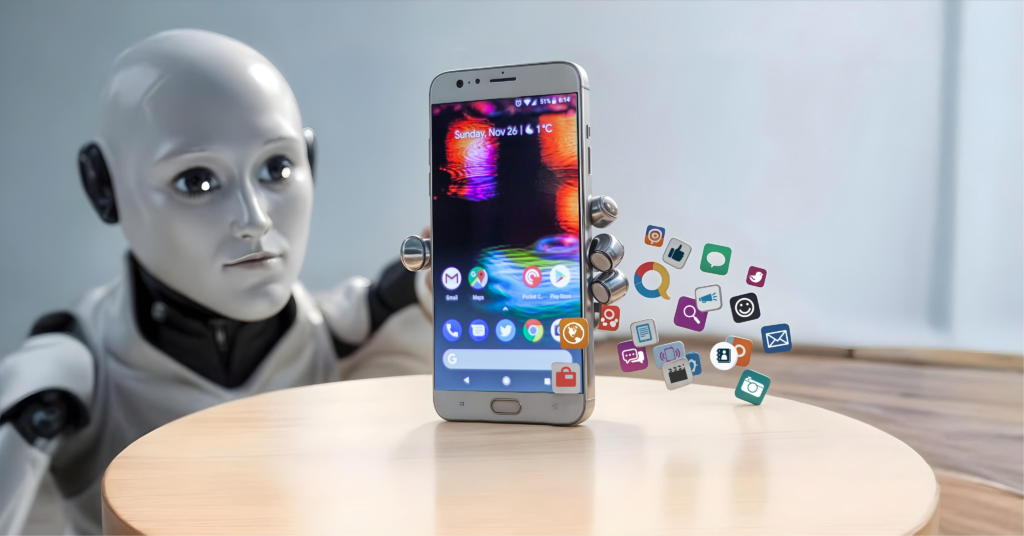
The contemporary smartphone serves as the most intimate, widely distributed vehicle for daily interaction with advanced machine learning models. Modern edge-computing architecture allows mobile operating systems to execute incredibly complex computational tasks directly on the device, maximizing user data privacy and reducing operational latency.
[Raw Visual Data Input] ──> [Neural Engine Processing] ──> [Optimized Photographic Asset]
Rather than functioning as passive communication tools, personal devices now deploy context-aware virtual assistants, proactive notification engines, and real-time biometric security systems. In the realm of digital media, AI-driven photography layers instantly execute semantic segmentation, separating foreground subjects from background elements to automatically correct lighting, eliminate visual noise, and optimize color balances. From instant vocal translations during international travel to predictive text engines that adapt to individual communication styles, the smartphone has evolved into an intuitive, deeply synchronized extension of human thought.
Smart Homes and Connected Living

The concept of residential living has undergone a profound transformation as standard housing structures transition into highly connected, autonomous smart home environments. Centralized machine learning systems seamlessly integrate with domestic appliances, ambient environmental sensors, and property security perimeters to engineer a completely automated, highly resource-efficient living experience.
By analyzing historical household movements, local climate shifts, and real-time energy pricing data, intelligent smart homes can dynamically modulate heating and cooling zones, automate interior lighting schedules, and manage appliances to minimize carbon footprints. Security systems utilize advanced computer vision models to accurately differentiate between family members, domestic pets, and unknown intruders, providing homeowners with comprehensive peace of mind through structured, automated environmental stewardship.
AI in Healthcare and Wellness
The absolute integration of machine learning into the healthcare sector is saving human lives by accelerating the clinical pipeline and providing highly customized, data-driven preventative medicine tools. In institutional medical settings, advanced algorithms assist diagnostic professionals by scanning radiological imagery with incredible precision to detect microscopic anomalies, identify early-stage malignant tumors, and forecast disease trajectories.
| Health Tracking Tier | Data Sourcing Mechanism | Preventative Care Deliverable |
| Continuous Biometrics | Wearable optical sensors and photoplethysmography (PPG). | Early detection of cardiovascular irregularities. |
| Biometric Sleep Analysis | Accelerometer metrics and resting heart rate variability (HRV). | Algorithmic sleep hygiene adjustments. |
| Nutritional Profiling | Computer vision analysis of daily dietary inputs. | Hyper-targeted metabolic support plans. |
In the consumer market, AI-powered health applications and advanced wearable tech pieces allow individuals to take full accountability for their biological wellness. These systems continuously parse raw physiological data streams to flag dangerous heart rate deviations, track physical recovery markers, and design highly personalized fitness regimens, transforming modern medicine from a reactive emergency system into a proactive, preventative framework.
AI Changing Education and Learning

Academic instruction is rapidly shifting away from rigid, legacy structures toward a fluid paradigm of hyper-personalized cognitive development powered by educational AI solutions. Students are no longer forced to conform to a universal, standardized learning pace; instead, intelligent tutoring software adapts its explanatory methods in real-time based on a student’s unique comprehension speeds and cognitive blockages.
[Student Performance Data] ──> [AI Diagnostic Evaluation] ──> [Customized Curriculum Stream]
These advanced learning platforms break down complex scientific and philosophical subjects into digestible, multi-modal explanations, utilizing interactive dialogue, visual generation, and targeted testing loops. Concurrently, educational institutions leverage automation to eliminate the heavy administrative burden of manual grading, analyze macro performance metrics across student bodies, and identify at-risk learners early, ensuring that no individual is left behind in the pursuit of knowledge.
AI in Work and Productivity
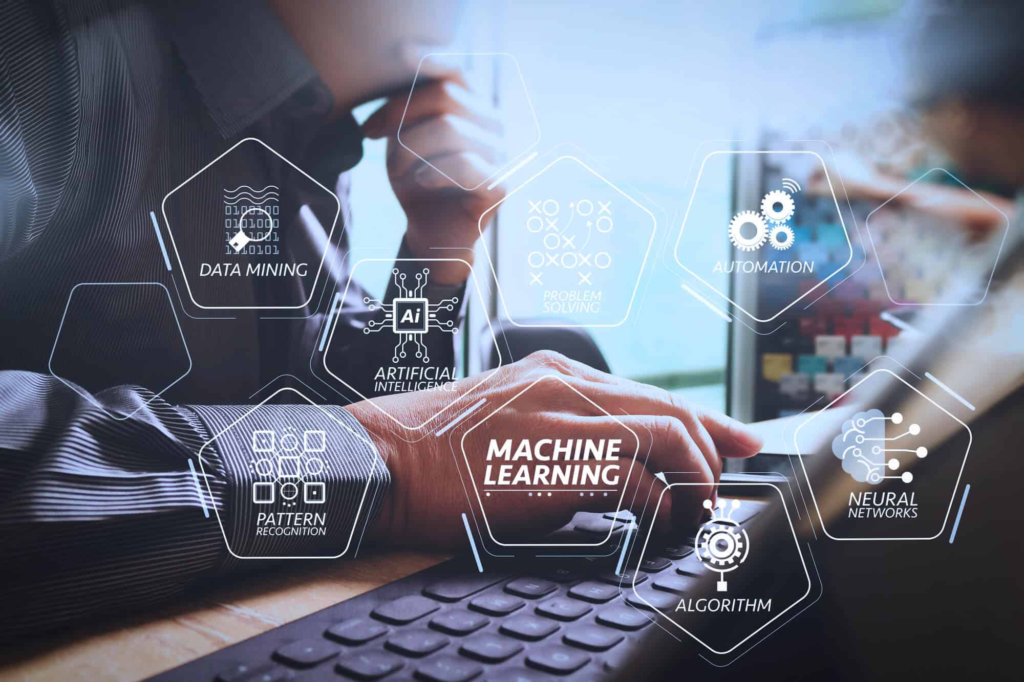
The corporate workspace is experiencing an immense evolutionary leap as automation eliminates the mechanical inefficiencies that historically drained creative energy from professional teams. Modern white-collar professionals routinely utilize generative AI systems to summarize hours of meeting transcripts, write baseline code frameworks, draft corporate communications, and analyze massive financial spreadsheets.
                  ┌─── Automated Data Ingestion & Cleansing
                  ├─── Rapid Conceptual Brainstorming
[Workplace AI] ───┼─── Real-Time Workflow Sequencing
                  └─── High-Density Document Summarization
By delegating these repetitive, data-heavy tasks to intelligent software layers, human capital is effectively liberated from administrative minutiae. This massive operational shift allows professionals to redirect their unique intellectual focus toward high-level strategic decision-making, empathetic client relationship cultivation, and complex, creative problem-solving ventures, driving unprecedented levels of corporate innovation.
AI in Shopping and Customer Experience

The relationship between commercial enterprises and consumers has been completely rewritten by predictive marketing algorithms and intelligent retail operations. Modern e-commerce ecosystems have completely abandoned generic product carousels in favor of highly immersive, hyper-customized digital storefronts that adapt dynamically to individual consumer behavior.
By analyzing historic purchasing cycles, cursor movement patterns, social media affinity markers, and local search trends, AI systems can forecast exactly what a customer needs before they consciously realize it. Furthermore, natural language processing engines power sophisticated virtual shopping concierges that handle customer service requests instantly, resolving complex logistical disputes, processing product returns, and delivering highly personalized style and utility recommendations round-the-clock.
AI in Entertainment and Social Media

The media assets that humanity consumes daily are curated, organized, and increasingly co-created by algorithmic intelligence. Global streaming platforms, digital music networks, and social media ecosystems rely on incredibly sophisticated recommendation engines that process billions of behavioral data points to design a totally unique content stream for every user.
[User Behavioral Data] ──> [Collaborative Filtering Models] ──> [Hyper-Targeted Media Stream]
Beyond simple content curation, AI is radically shifting the production side of the creative arts. Modern content creators leverage specialized software to automate audio mixing, execute precision video color grading, brainstorm narrative concepts, and generate high-fidelity marketing imagery. This seamless blend of technology and human artistry lowers the entry barriers for independent media production, flooding the cultural marketplace with highly diverse, specialized storytelling voices.
AI in Transportation and Travel
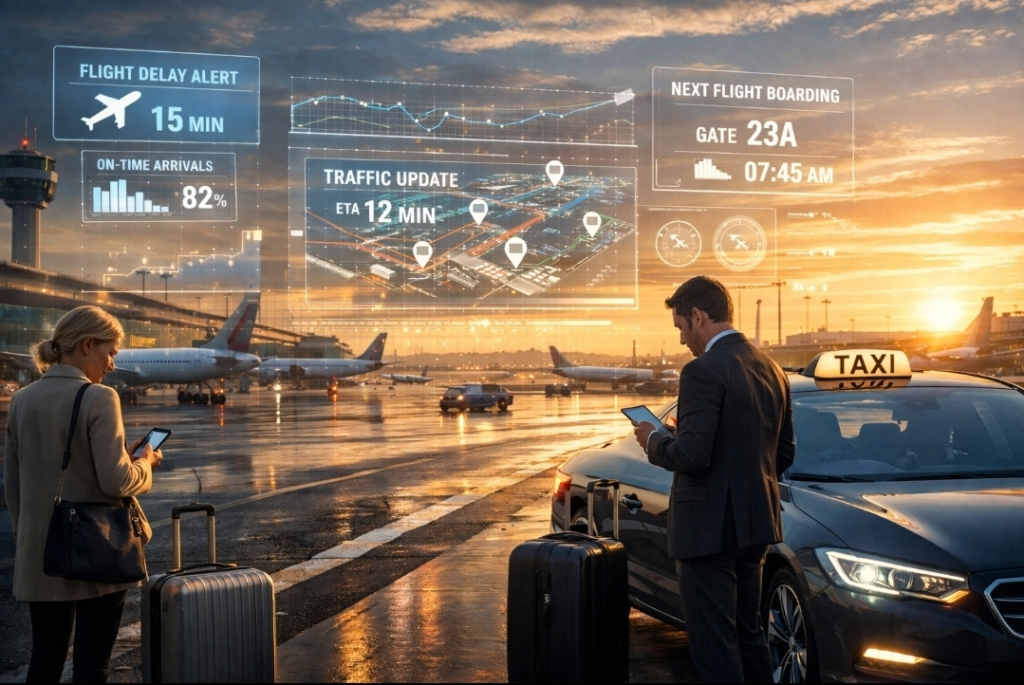
Global logistics and daily commuting systems have become significantly smarter, safer, and more structurally efficient through the deep integration of artificial intelligence. Urban commuters rely daily on advanced navigation networks that process crowdsourced transit data, localized construction updates, and sudden weather shifts to optimize routes in real-time.
[Real-Time Traffic Input] ──> [Predictive Congestion Modeling] ──> [Optimized Urban Route Selection]
On a larger scale, mass transit networks utilize predictive maintenance algorithms to accurately forecast mechanical wear on bullet trains and commercial aircraft long before a structural failure occurs. As autonomous driving technologies and smart city infrastructure continue to synchronize, urban spaces are realizing drastic reductions in vehicular traffic congestion, lower carbon emissions, and significantly safer streets.
The Benefits of AI in Everyday Life
The structural deployment of artificial intelligence across these diverse facets of human life yields a multitude of undeniable societal advantages. By serving as an omnipresent layer of support, AI acts as a powerful force multiplier for human capability, optimizing our limited time and managing daily logistics.
- Radical Time Reclamation: Outsourcing routine scheduling, transcription, and searching tasks to digital assistants frees up invaluable personal hours.
- Democratization of Insights: High-level data synthesis, language translation, and educational support are now accessible to anyone with an internet connection.
- Precision Living: Customized lifestyle, wellness, and environmental tracking ensure that resources are spent efficiently, maximizing personal comfort and health longevity.
Challenges and Responsible Use of AI
Despite the immense catalog of advantages, the rapid, unchecked integration of machine learning into daily human life introduces profound ethical challenges regarding consumer data privacy, algorithmic bias, and digital security. Because deep learning networks require massive amounts of personal data to maintain their predictive accuracy, society must remain hyper-vigilant against corporate data exploitation and unauthorized surveillance.
Furthermore, the proliferation of generative media creates significant risks surrounding misinformation and digital identity theft through deepfake technologies. Users must cultivate a high degree of digital literacy, continuously verifying critical information through authoritative sources, practicing strict data hygiene, and advocating for robust legal frameworks to guarantee that AI develops as a safe, ethical tool.
FAQs
1. How is AI used in everyday life?
AI is used in smartphones, smart homes, healthcare, education, transportation, shopping, entertainment, and workplace productivity.
2. What are the benefits of AI in daily life?
AI improves convenience, saves time, automates routine tasks, provides personalized experiences, and supports better decision-making.
3. Can AI replace humans in everyday activities?
AI can assist and automate certain tasks, but human creativity, emotions, critical thinking, and decision-making remain important.